Iran Strikes Back: US Jet Downed, Pilot Missing in Escalating Conflict
In a significant escalation, Iran shot down a U.S. F-15 fighter jet, sparking a race to rescue a missing pilot. While one airman was rescued, the search for the second continues amidst Iranian propaganda efforts and the threat of further U.S. military action. This event highlights Iran's retaliatory capabilities and the complex geopolitical dynamics at play.


Iran Strikes Back: US Jet Downed, Pilot Missing in Escalating Conflict
In a significant escalation of the ongoing conflict, Iran’s forces shot down a U.S. F-15 fighter jet over its territory early this morning. This marks the first time an American aircraft has been downed over Iran during the five-week war. The incident has triggered an urgent search and rescue operation, with the U.S. military racing to find the missing pilot before Iranian forces do.
Photos released by Iranian state media appear to show wreckage from the downed jet. Both crew members ejected safely, and U.S. officials confirmed that one of the two airmen has been rescued. However, the search for the second crew member continues, with their status remaining unknown. Iranian state television has offered a substantial reward for anyone who captures and hands over enemy pilots to law enforcement or military forces, a move that adds to the peril for the missing airman.
Adding to the day’s losses, an A-10 Thunderbolt also crashed in the Persian Gulf near the Strait of Hormuz. Iran has claimed responsibility for shooting down this aircraft as well. The pilot of the A-10 was safely rescued by U.S. forces.
White House Responds Amidst Crisis
President Trump has not made any public statements regarding the downed F-15 or the search for the missing airman. However, senior administration officials confirmed that the President has been continuously briefed and has convened his national security team throughout the day. President Trump spent the day monitoring the situation from the Oval Office and an adjacent dining room. In a phone interview with NBC, when asked about the impact of this event on negotiations with Iran, the President stated, “It doesn’t affect it. No, not at all. No, it’s war. We’re in war.” He also posted on his Truth Social account, “Keep the oil.” The White House announced an early closure of press briefings, with the President reportedly remaining in Washington D.C. instead of traveling to his Mar-a-Lago estate, though this decision was made prior to the day’s events.
Pilot Survival and Rescue Efforts
Military analysts and veterans discussed the critical first hours for the downed airman. Pilots undergo extensive SERE (Survive, Evade, Resist, Escape) training. In the immediate aftermath of ejection, the primary focus is survival and evasion, especially during the night. Sources indicate that communication has been established with the missing airman, which is a positive sign suggesting they are alive and not yet captured. The next 12 to 24 hours are considered crucial for the rescue operation.
Combat search and rescue (CSAR) teams are deploying significant assets, including AC-130s and Pave Hawks, risking their lives to bring the airman home. Special instructions, known as SPINS, are issued to aircrews detailing procedures for such events. These instructions include daily codes and communication methods to verify identity, preventing deception by enemy forces. The terrain in the region, described as mountainous and arid, presents challenges for both the airman and the rescue teams. The U.S. military’s advanced night vision technology and specialized units like the 160th Night Stalkers are expected to play a key role in nighttime operations.
The ejection seat found on the ground shows damage, indicating the violent nature of the ejection. While aircrew members do not carry extensive gear, they are equipped with survival training, communication devices, and a small firearm. Their confidence in the U.S. military’s commitment to rescue is a significant psychological factor.
Iranian Regime’s Propaganda and Public Sentiment
The Iranian regime is actively using the incident for propaganda purposes. The speaker of the Iranian parliament posted a mocking message on X, highlighting the perceived shift in U.S. objectives from regime change to pilot recovery. Cameron Khansarinia, chief of staff to Iran’s exiled Crown Prince Reza Pahlavi, stated that this tweet underscores his view that no diplomatic solution is possible with the current Iranian regime, which he believes desires conflict and the harming of U.S. servicemen and women.
Regarding the fate of the airman if captured, Khansarinia expressed grave concerns, suggesting possibilities of execution or torture, and emphasizing that the regime would likely use the situation for propaganda, disregarding international law. He argued that the regime must be eliminated after 47 years of what he described as terror.
However, Khansarinia also noted that the majority of Iranians oppose the current regime. He believes there is a strong possibility that if ordinary Iranians find the downed airman, they might help him return to U.S. forces rather than turning him in to the authorities. He mentioned that members of the Crown Prince’s team are publicly urging the Iranian population to assist the pilot.
The mountainous and arid terrain of provinces like Khuzestan and Kohgiluyeh and Boyer-Ahmad, where the incident may have occurred, offers potential hiding places for the airman. Khuzestan is a region rich in oil and gas reserves.
Global Impact and Shifting Alliances
This incident represents a critical juncture in the conflict. Iran’s demonstrated ability to down U.S. aircraft, despite previous damage to its forces, signals a capacity for retaliation. The downing of the F-15 and A-10, coupled with the reported damage to two Black Hawk helicopters during rescue attempts, suggests a more active and potentially effective Iranian air defense capability than previously assessed.
The U.S. response, while focused on rescue, has also involved increased military actions, with reports of the U.S. bombing Iran’s largest bridge and President Trump indicating that electrical power plants are potential targets. This aggressive posture raises questions about the risk of alienating the Iranian population, a segment of whom the U.S. administration may have hoped would rise up against the regime.
Historically, such direct confrontations between U.S. and Iranian military assets have been rare, often occurring through proxy forces in the region. The current situation marks a direct engagement with potentially severe consequences for regional stability and international relations. The effectiveness of sanctions and diplomatic isolation against Iran is being tested by its continued military actions.
Future Scenarios
Several future scenarios are possible. The successful rescue of the airman could allow for a de-escalation, though tensions would remain high. Conversely, the capture of the airman could lead to further Iranian propaganda victories and potentially new demands from Tehran. Continued U.S. military strikes on Iranian infrastructure could provoke more significant retaliation, potentially drawing other regional or global powers into the conflict.
The internal dynamics within Iran, including the level of popular discontent and the regime’s methods of control, will also play a crucial role. The possibility of the Iranian people aiding the downed airman, as suggested by Prince Pahlavi’s advisor, could represent a significant blow to the regime’s authority and a potential avenue for future change.
Source: U.S. fighter jet shot down in Iran; Nancy Guthrie case mistakes | Vargas Reports Full Episode 4/3 (YouTube)

Related Articles
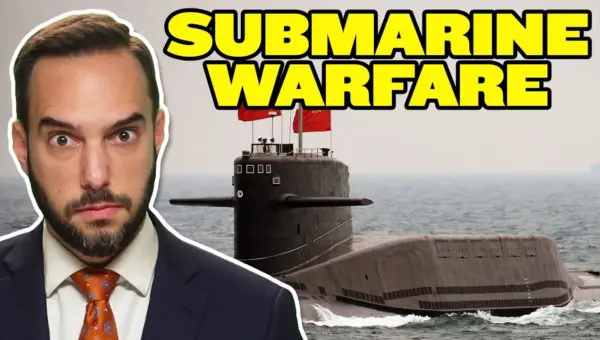
China Maps Seabed, Eyes Hawaii in Naval Power Play
China's extensive seabed mapping in the Pacific, particularly around strategic areas like Guam and Hawaii, is raising concerns about its preparation for submarine warfare. This effort, often disguised as scientific research, aims to enhance China's naval capabilities and challenge US dominance in the region.
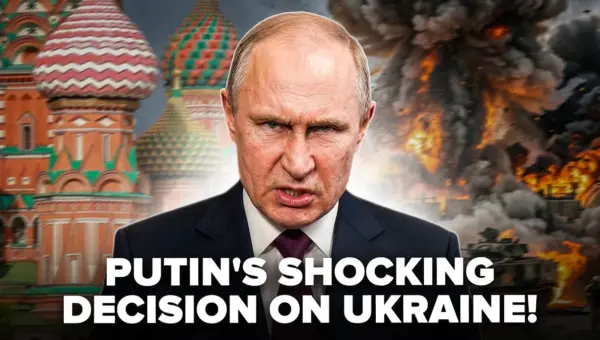
Russia Faces Last-Ditch Offensive, Internal Cracks
Russia may be launching a final major offensive in Ukraine as it faces mounting internal pressures. Analysts suggest this push is a last resort before significant manpower and financial issues arise. Meanwhile, increasing domestic information control and official criticism highlight growing cracks within the Russian establishment.


Trump Threatens Iran, Shaking Global Stability
Former President Trump's aggressive Easter Sunday warning to Iran has ignited global concerns, highlighting a volatile intersection of politics, religion, and foreign policy. The analysis explores the motivations behind such rhetoric, the deep divisions within American society, and the potential for severe economic and geopolitical repercussions worldwide.