US Eyes Belarus in Risky Geopolitical Shift
The U.S. is exploring renewed diplomatic ties with Belarus, a close ally of Russia and enabler of its war in Ukraine. This strategic gamble aims to create leverage but risks legitimizing an authoritarian regime and potentially strengthening Moscow.

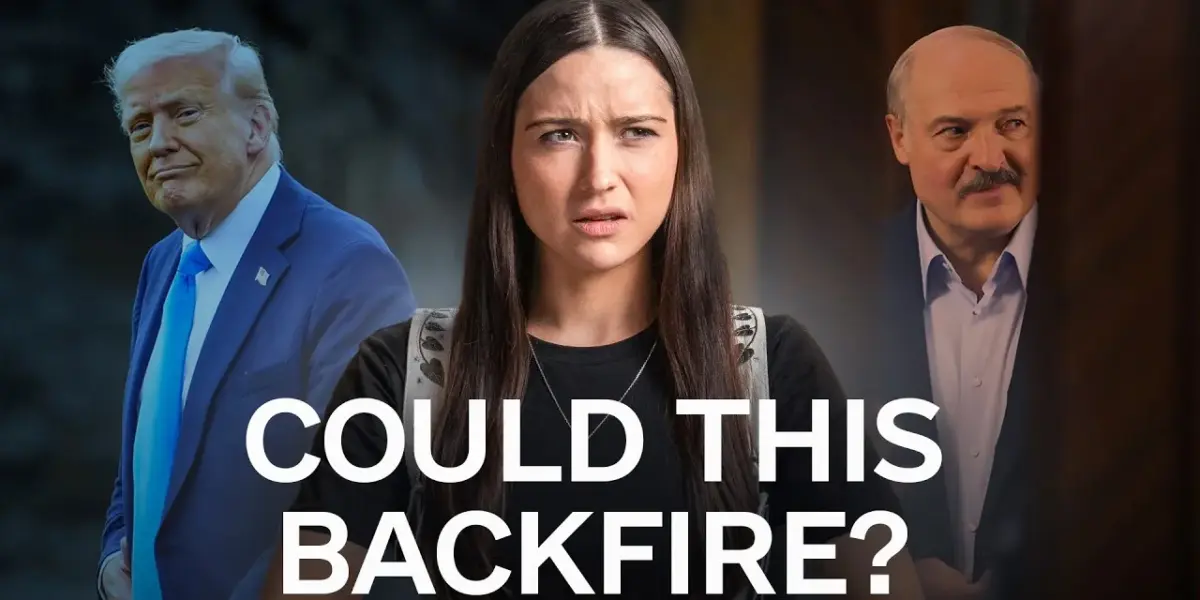
US Reaches Out to Putin Ally in Strategic Gamble
The United States is exploring a complex diplomatic path with Belarus, a nation closely allied with Russia and a key enabler of Moscow’s invasion of Ukraine. This outreach, particularly under the Trump administration, aims to create strategic leverage but carries significant risks of legitimizing an authoritarian regime and potentially strengthening Russia indirectly.
Belarus: A Soviet Echo in Eastern Europe
Belarus, a country of roughly 9 million people, has been under the firm grip of President Alexander Lukashenko since 1994. Lukashenko, a former Soviet army officer, has maintained a system that mirrors the Soviet Union’s structure, suppressing free speech and persecuting political opponents. His regime has been criticized for human rights abuses, including the use of the death penalty, and for crushing large-scale protests in 2020.
Geographically, Belarus sits as a crucial buffer and staging ground between Russia, Ukraine, and NATO’s eastern flank. This strategic position made it a vital launchpad for Russian forces in the early days of the full-scale invasion of Ukraine in February 2022. Belarusian territory was used for aerial and ground assaults, solidifying Minsk’s role as an enabler, if not an active participant, in the conflict.
US Diplomacy: Prisoner Releases and Shifting Sands
In recent times, the U.S. has reopened communication channels with Belarus, reportedly securing the release of hundreds of political prisoners. This move is seen by some as a diplomatic win, particularly for former President Trump, who has shown interest in facilitating such releases. U.S. Special Envoy to Belarus John Cole indicated that significant diplomatic developments could be on the horizon, even suggesting the possibility of a meeting between Trump and Lukashenko.
The strategic rationale behind this engagement is multifaceted. Primarily, it’s an effort to gauge Minsk’s responsiveness and willingness to cooperate on specific issues. Prisoner releases have been a tangible success, but the broader goal is to normalize relations and restore a baseline of diplomatic and economic engagement. This also serves as a test of Russia’s reaction, providing valuable intelligence on the dynamics between Moscow and Minsk.
Strategic Implications: Reshaping Eastern Europe
The potential rewards of drawing Belarus away from Moscow’s orbit are significant. A less reliable Belarusian ally would reshape the geopolitical landscape of Eastern Europe, potentially weakening Russia’s military planning and execution capabilities. It could also provide the U.S. with a strategic foothold between NATO and Russia.
However, the risks are equally substantial. Critics argue that easing sanctions or normalizing relations could legitimize Lukashenko’s authoritarian rule without demanding systemic change. This approach might inadvertently strengthen Russia by providing indirect economic relief to a key partner, especially if sanctions enforcement on Russia itself is not rigorous.
Divergent Views: Opposition Divided
The Belarusian opposition movement itself is divided on the U.S. approach. Some believe that engagement is a moral imperative to prevent Belarus from being completely subsumed by Russia. Others caution that any diplomatic outreach or easing of sanctions could validate Lukashenko’s grip on power and prolong his rule, undermining the cause of a free Belarus.
Maria Klesnikava, a Belarusian activist, advocates for continued engagement to prevent isolation. In contrast, Sviatlana Tsikhanouskaya, a prominent opposition leader, urges a more cautious approach, emphasizing the need to maintain sanctions until genuine democratic reforms are enacted. Her advisors have met with U.S. officials, stressing the importance of humanitarian track prisoner releases while also pushing for systemic changes and free elections in Belarus.
The Risks of Engagement: Legitimizing Dictatorship
A primary concern is that renewed engagement will serve as a reward for Lukashenko’s isolation, providing him with much-needed economic relief without any fundamental policy shifts. Ukraine, in particular, strongly opposes any normalization of ties, viewing it as a reward for Belarus’s complicity in Russia’s war crimes and undermining efforts to hold Minsk accountable.
There is a clear risk that the U.S. could inadvertently bolster Lukashenko’s regime, reinforcing its ability to support Russia. The tight alliance between Minsk and Moscow, forged over decades, is unlikely to be broken by current diplomatic overtures. Lukashenko has a history of using engagement with the West as a bargaining tool, and there is little evidence to suggest he would fundamentally alter his loyalties now.
Conclusion: A Cautious Path Forward
The U.S. approach to Belarus presents a difficult choice between isolation and engagement, each with its own set of risks. While the potential strategic gains of drawing Belarus away from Russia are tempting, the danger of legitimizing an authoritarian regime and indirectly aiding Moscow is significant. Western nations considering renewed ties must proceed with extreme caution, ensuring that any engagement does not create a larger problem than it aims to solve. The ultimate success of this strategy hinges on whether it can truly influence Belarus’s trajectory or merely stabilize an adversary’s position.
“The actions of Belarus damage Western security. It is also a nasty dictatorship. The Trump administration has a case for dealing with this regime. But it needs to keep in mind the dangers of doing so and not… keep in mind who are your friends and who are not your friends.”
Source: America’s risky bet on Russia's closest ally | Ukraine This Week (YouTube)

Related Articles

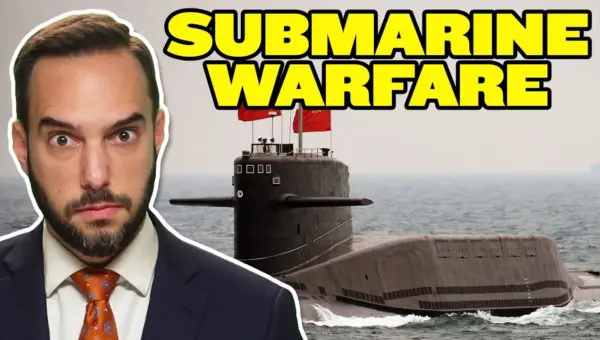
China Maps Seabed, Eyes Hawaii in Naval Power Play
China's extensive seabed mapping in the Pacific, particularly around strategic areas like Guam and Hawaii, is raising concerns about its preparation for submarine warfare. This effort, often disguised as scientific research, aims to enhance China's naval capabilities and challenge US dominance in the region.
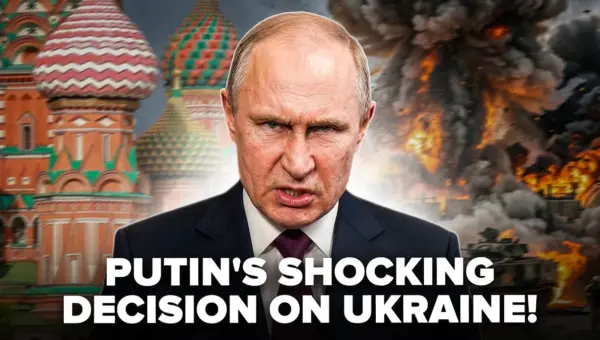
Russia Faces Last-Ditch Offensive, Internal Cracks
Russia may be launching a final major offensive in Ukraine as it faces mounting internal pressures. Analysts suggest this push is a last resort before significant manpower and financial issues arise. Meanwhile, increasing domestic information control and official criticism highlight growing cracks within the Russian establishment.


Trump Threatens Iran, Shaking Global Stability
Former President Trump's aggressive Easter Sunday warning to Iran has ignited global concerns, highlighting a volatile intersection of politics, religion, and foreign policy. The analysis explores the motivations behind such rhetoric, the deep divisions within American society, and the potential for severe economic and geopolitical repercussions worldwide.