Young Americans Revolt Against War and Economic Woes
Young Americans are expressing deep frustration with the political system, citing foreign policy decisions and economic instability. They feel abandoned by both major parties and are seeking a more representative government. This discontent is fueling a desire for significant change and a reevaluation of America's role in the world.

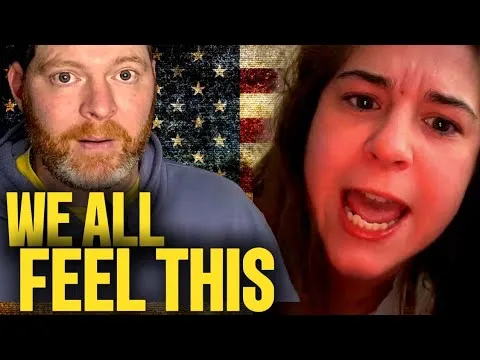
Young Americans Revolt Against War and Economic Woes
Many young Americans feel deeply frustrated with the current political system. They believe it’s failing the country and leaving them with a bleak future. This frustration is leading to a strong desire for change. The video highlights a specific example of this anger, focusing on a young person’s views.
Concerns Over Foreign Policy and Economic Stability
A major point of contention is the perceived overreach in foreign policy, particularly regarding Iran. The speaker expresses disbelief at the idea that Iran is a weak nation, especially after an American fighter jet was shot down. There’s a strong feeling that the U.S. is being drawn into unnecessary conflicts that put American lives at risk. The speaker criticizes the administration’s handling of intelligence and decision-making, suggesting that past failures, like the withdrawal from Afghanistan, have made the government less effective.
The economic situation is another significant source of anger. Many young people graduating college face a tough job market. They often compete with experienced workers who have been laid off. The rise of artificial intelligence (AI) is also seen as a threat to future job prospects. This economic uncertainty fuels a sense of hopelessness, making young people feel they have no real place or voice in America’s future.
Shifting Political Alignments and Voter Discontent
The transcript notes a surprising trend in recent elections: a significant number of younger voters, especially young white males, have shifted towards the Republican party. This rise is linked to narratives popularized by online communities and media figures. However, the speaker suggests that this support has waned for many young voters, particularly those who felt betrayed by the Republican party’s actions or perceived lack of focus on core promises like avoiding new wars and strengthening the economy. The idea of a betrayal is strong, especially when promises like “no wars” are seen as broken.
The speaker also expresses disillusionment with both major parties. While criticizing the current administration’s foreign policy, the speaker also points out that Democrats would likely have impeached a president for similar actions. The general sentiment is that politicians, regardless of party, often fail to represent the interests of ordinary citizens. This leads to widespread apathy, as people feel caught in a system where politicians prioritize their own agendas over the needs of the public.
Critique of Political Leadership and Media Narratives
There is sharp criticism directed at political leaders, often described as out of touch and disconnected from the struggles of everyday Americans. The speaker uses strong language to describe President Biden, questioning his decisions and suggesting he is not being truthful with the public. The influence of media is also examined, with a suggestion that both mainstream news and certain online platforms contribute to the spread of narratives that don’t reflect reality. The speaker believes that younger generations, being more immersed in online information, have a clearer understanding of global and domestic issues than older generations.
The transcript also touches on the perception of Donald Trump. While acknowledging his ability to connect with a segment of the population, the speaker points out criticisms regarding his business dealings and honesty. The Republican party itself is described as fractured, with many representatives choosing not to seek re-election due to damage to their reputation. This suggests a deep level of discontent within the party and a sense of its current direction being unsustainable.
Historical Context and Economic Leverage
The frustration over foreign policy echoes historical debates about American interventionism. The mention of a “proxy war” against Russia in Ukraine highlights a common geopolitical strategy where major powers support opposing sides without directly engaging each other. This approach, while avoiding direct confrontation, still carries significant economic and human costs. The speaker argues that current U.S. foreign policy has inadvertently strengthened Russia’s military capabilities and destabilized Europe’s economy.
Economic factors are central to the discontent. The rising cost of living, including groceries and gas prices, is a major concern for working and middle-class Americans. The speaker criticizes the idea that presidents can easily control gas prices, noting that their decisions do have an impact. The economic hardship faced by young people, struggling to find jobs and afford basic necessities, is seen as a direct consequence of government policies. The transcript also hints at a restructuring of global trade alliances that may be excluding the United States, suggesting a potential shift in economic power.
Global Impact and Future Scenarios
The video suggests a growing disconnect between the U.S. and the rest of the world, with new defense pacts and trade agreements forming that do not include the United States. This indicates a potential decline in American influence and a move towards a multipolar world order. The speaker believes that the consequences of current U.S. policies are inevitable and will soon become apparent to a population that is either uninformed or apathetic.
One future scenario painted is one where the United States faces significant repercussions for its actions, particularly in the Middle East. There’s a deep-seated wish for the U.S. to experience the hardships it has imposed on other regions. This sentiment, while extreme, reflects a profound disillusionment with American foreign policy. The speaker believes that true patriotism now lies in voicing dissent against current U.S. actions.
The core message is a call for Americans, especially the working and middle classes, to recognize their collective power. By outnumbering the wealthy and powerful, they have the potential to demand change. The video expresses hope in the younger generation’s passion and honesty, seeing them as the potential drivers of a more just and equitable future for America. The ultimate call is for citizens to wake up and hold their elected officials accountable, recognizing that politicians work for the people, not the other way around.
Source: We All Feel Like This (The Great American Crashout) (YouTube)

Related Articles

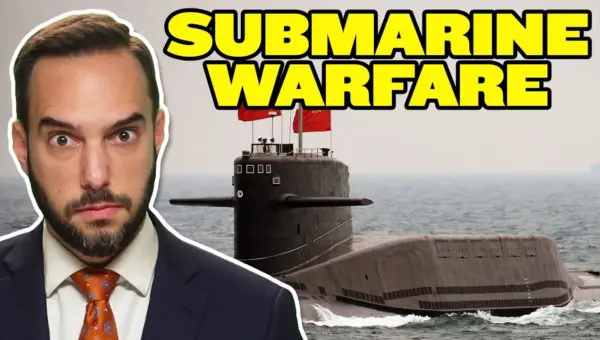
China Maps Seabed, Eyes Hawaii in Naval Power Play
China's extensive seabed mapping in the Pacific, particularly around strategic areas like Guam and Hawaii, is raising concerns about its preparation for submarine warfare. This effort, often disguised as scientific research, aims to enhance China's naval capabilities and challenge US dominance in the region.
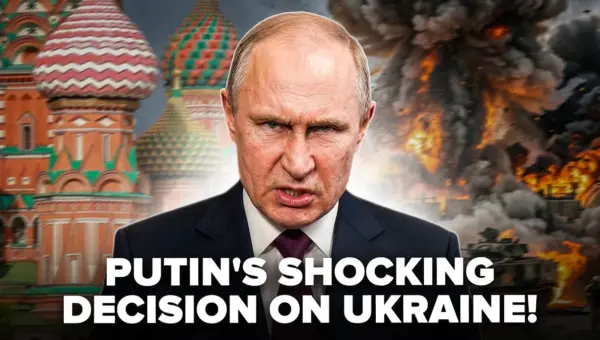
Russia Faces Last-Ditch Offensive, Internal Cracks
Russia may be launching a final major offensive in Ukraine as it faces mounting internal pressures. Analysts suggest this push is a last resort before significant manpower and financial issues arise. Meanwhile, increasing domestic information control and official criticism highlight growing cracks within the Russian establishment.

Trump Threatens Iran, Shaking Global Stability
Former President Trump's aggressive Easter Sunday warning to Iran has ignited global concerns, highlighting a volatile intersection of politics, religion, and foreign policy. The analysis explores the motivations behind such rhetoric, the deep divisions within American society, and the potential for severe economic and geopolitical repercussions worldwide.