Trump Eyes $1.5T Budget, Cites Daycare Limits
President Trump has proposed a $1.5 trillion defense budget, citing a need to prioritize military protection over domestic programs like daycare. This move comes amid rising prices and economic concerns, with critics questioning the administration's strategy. Experts highlight the impact of tariffs and the Iran conflict on consumer costs.

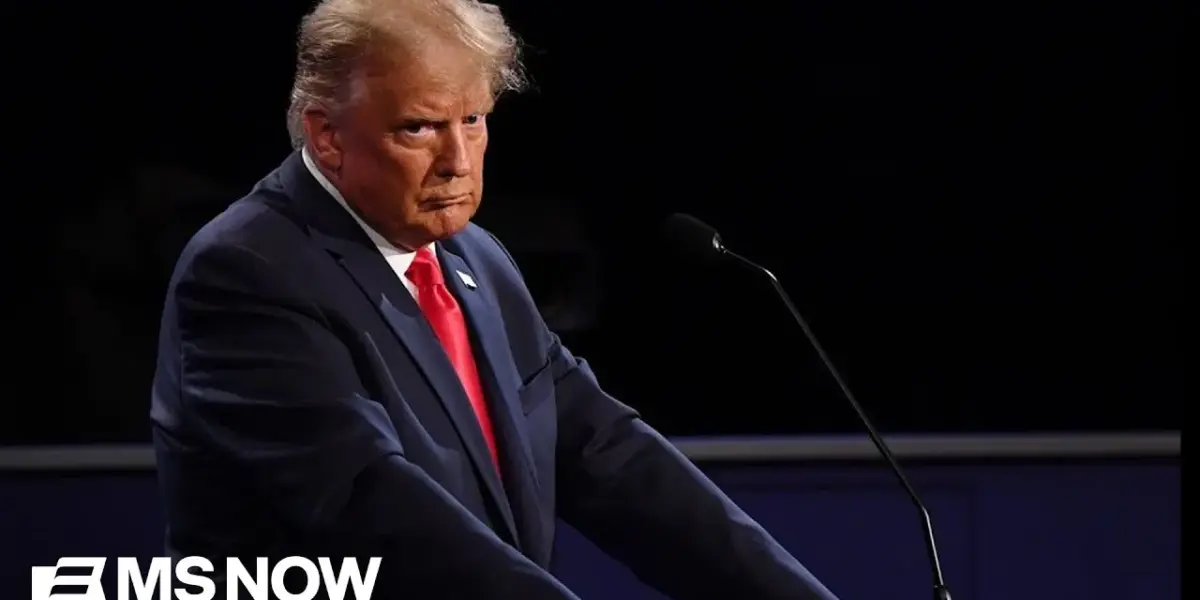
Trump Proposes Record Military Budget Amidst Domestic Cuts
President Trump has submitted a staggering $1.5 trillion defense budget request for the 2027 fiscal year, a move that would establish a new high for military spending in modern history. The proposal comes just five weeks into a conflict with Iran, raising questions about national priorities. During a public address, Trump justified the immense military expenditure by highlighting the nation’s inability to fund domestic programs like daycare. “We can’t take care of daycare,” he stated, emphasizing the scale of the country and its diverse needs. He suggested that programs like Medicaid and Medicare could be managed at the state level, but military protection remains a singular federal responsibility.
Economic Concerns Shadow Budget Proposal
This significant defense spending request arrives at a time of widespread economic anxiety among Americans. Surging prices for everyday goods, coupled with dismal polling numbers and a perceived dismissal of public concerns about the economy, have fueled speculation about the administration’s electoral strategy. Experts question the political wisdom of these decisions, especially when affordability is a top issue for voters.
“If the economy is the most important issue on voters’ minds, affordability is the number one of those issues at the top of the list.” Caleb Silver, Editor-in-Chief at Investopedia
Caleb Silver, Editor-in-Chief at Investopedia, joined the discussion to analyze the administration’s choices. He noted that policies like tariffs have already driven up prices for a wide range of products. Adding to this, the ongoing conflict with Iran is expected to further increase costs for essential items such as fertilizer, rice, and medical goods. For many Americans, the promised economic benefits of the current administration have not materialized, and there is little expectation of improvement in the near future.
Tariffs and Healthcare Costs Add to Public Burden
Further complicating the economic picture is a recent announcement of a 100% tariff on specific imported pharmaceuticals. This measure, intended to encourage domestic manufacturing, has drawn criticism for potentially increasing drug costs for consumers. The administration had previously touted efforts to lower drug prices as a key achievement, but this new tariff policy appears to contradict that goal. Silver pointed out that while some policies, like tax cuts, may have benefited a few, many other decisions have led to higher prices across the board.
Adding to the financial strain, Congress did not vote to extend subsidies for the Affordable Care Act. This oversight means that Americans are likely to face higher healthcare premiums next year, on top of existing price increases for other goods and services. New polling indicates that a majority of voters (53%) believe the economy was better under President Biden compared to 47% who favor Trump’s economic record.
Debate Over Economic Strategy and Global Impact
The current economic situation is contrasted with the past, where global events or broader economic trends were often cited as causes for price fluctuations. Now, critics argue that many price increases are directly linked to administration policies, such as initiating a tariff war and engaging in the conflict with Iran, which has driven up oil prices and created ripple effects across various sectors, including pharmaceuticals and agriculture.
However, some analyses suggest these actions might be part of a larger foreign policy strategy aimed at controlling global oil markets for national security purposes. This strategy, while potentially benefiting U.S. national security, could come at a significant cost to American consumers through higher prices. The potential for stagflation or recession looms, raising concerns about the long-term economic stability.
The discussion also touched upon the unpredictable nature of the current economic climate, with some suggesting the policies are simply ill-conceived. The disconnect between the administration’s actions and the public’s economic concerns is notable. In a striking parallel, the argument about prioritizing military spending over social programs echoes sentiments expressed by Iranian officials regarding their own national spending priorities.
Looking Ahead
As the nation grapples with a record-breaking defense budget proposal and ongoing economic pressures, attention will be fixed on how these policies impact everyday Americans and the upcoming electoral landscape. The administration’s ability to address public concerns about affordability while pursuing ambitious foreign policy and defense objectives remains a critical point to watch.
Source: Trump to Americans after requesting $1.5 trillion military budget: “We can’t take care of daycare” (YouTube)

Related Articles


Trump Threatens Iran: “Open Strait or Live in Hell”
President Trump issued a severe warning to Iran, threatening "hell" if the Strait of Hormuz is not reopened, while U.S. forces successfully rescued a downed airman. Experts suggest potential escalation and regional realignments are unfolding.

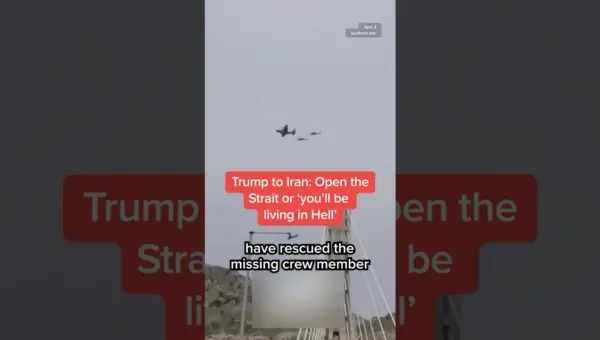
Trump Threatens Iran Over Strait, Claims Airman Rescued
President Trump issued a stark warning to Iran on Tuesday, threatening severe consequences if the Strait of Hormuz is not kept open. He also announced the successful rescue of a U.S. airman whose fighter jet crashed in Iran. The dual announcements highlight ongoing tensions in the region and U.S. military operations.
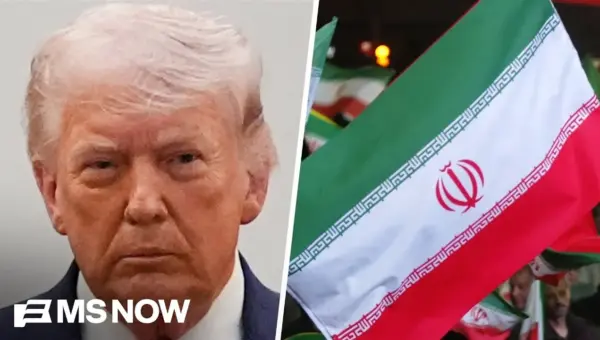
Trump Escalates Threats Against Iran With ‘Hell’ Warning
President Trump announced the rescue of a missing U.S. airman from Iran, but simultaneously escalated his aggressive rhetoric towards Tehran. He warned of "power plant day and bridge day" and threatened Iranians would "be living in hell" if they don't comply with U.S. demands.