US Rescues Pilot From Iran Amidst Strait of Hormuz Deadline
The U.S. military conducted a daring rescue of a downed airman from Iran, coinciding with President Trump's deadline for Iran to reopen the Strait of Hormuz. Escalating tensions see Iran striking energy sites in response to Israeli operations, threatening global energy supplies.

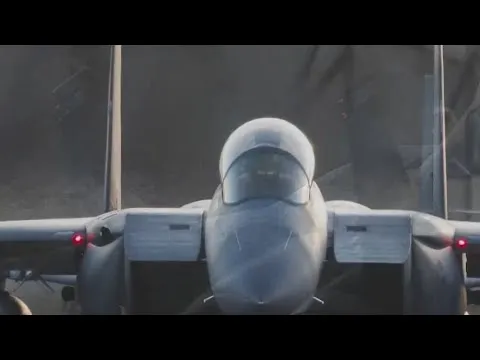
US Rescues Pilot From Iran Amidst Strait of Hormuz Deadline
In a daring overnight operation, the United States military successfully rescued a downed airman from the mountains of Iran. President Trump announced the mission on his Truth Social platform, calling it one of the most daring search and rescue operations in U.S. history. The rescued airman, identified as a highly respected colonel, sustained injuries but is reported to be recovering well. This operation took place over several days, with the aviator reportedly trekking through Iranian territory while being pursued by Iranian forces. Special operations forces were crucial in extracting the pilot from the dangerous situation.
Unverified footage from Iranian state media appears to show aspects of the search and rescue efforts, including helicopters and planes flying at low altitudes. This imagery underscores the significant risks faced by American service members. The successful recovery brings both of the airmen from the downed aircraft back into American hands, receiving medical attention. This successful rescue comes as the region faces heightened tensions and imminent deadlines.
Iran’s Strait of Hormuz Deadline Looms
President Trump has issued Iran a new 48-hour deadline to reopen the Strait of Hormuz. This critical waterway is vital for global oil shipments. The deadline, set for April 6th, comes as Europe faces a potential energy crisis. Energy officials predict the crisis could hit within weeks as remaining oil supplies on ships cease to arrive at European ports.
In response to this looming deadline, Israeli forces have intensified strikes on Iranian positions. These targets have included ballistic missile launchers and a petrochemical complex, according to Prime Minister Benjamin Netanyahu. The goal appears to be increasing pressure on Iran as the deadline approaches.
Iran’s Retaliatory Strikes on Energy Sites
Iran has responded to the escalating pressure with strikes across the Middle East, particularly targeting energy infrastructure. The oil facility in Bahrain and the Gulf Petrochemical Industries Company in Bahrain have been hit. Authorities in Abu Dhabi reported responding to multiple fires at a petrochemical plant. Additionally, the Shu’aiba oil field complex in Kuwait sustained damage.
These actions by Iran highlight the volatile nature of the region and the potential for wider conflict. The strikes on energy sites could further exacerbate global energy concerns and complicate international efforts to de-escalate tensions.
Regional Context and Holy Week
The events are unfolding during a significant religious period, with many in the region observing Holy Week and Easter. Despite the closure of many holy sites, people are finding ways to celebrate and spend time with families. However, the approaching week brings with it renewed uncertainty due to the approaching deadline and ongoing military actions.
Global Impact
The successful U.S. military rescue operation demonstrates American resolve and capability in high-risk environments. Simultaneously, the escalating tensions surrounding the Strait of Hormuz and Iran’s retaliatory strikes pose a significant threat to global energy security. The potential disruption of oil flow through this critical chokepoint could lead to substantial price increases and economic instability, particularly for energy-dependent regions like Europe. The situation highlights the complex interplay between military operations, diplomatic deadlines, and economic consequences in the Middle East.
Historical Context
The Strait of Hormuz has historically been a flashpoint for regional conflict. Its strategic importance as a route for roughly 20% of global oil consumption means any disruption has far-reaching economic implications. Past incidents, including naval skirmishes and threats to shipping, have often been linked to broader geopolitical tensions between Iran and Western powers, as well as regional rivals. The current situation echoes previous periods of heightened confrontation, where control over energy transit routes becomes a key element of strategic competition.
Future Scenarios
Several future scenarios could unfold. Iran might comply with the deadline, leading to a temporary de-escalation. Alternatively, Iran could refuse, prompting further military action or intensified sanctions from the U.S. and its allies, potentially leading to significant disruptions in global oil markets. A miscalculation or accidental escalation could also trigger a broader regional conflict. The effectiveness of diplomatic efforts alongside military posturing will be crucial in determining the path forward.
Source: Rescued airman injured, but will be fine: Trump | Morning in America (YouTube)

Related Articles


Trump Threatens Iran, Shaking Global Stability
Former President Trump's aggressive Easter Sunday warning to Iran has ignited global concerns, highlighting a volatile intersection of politics, religion, and foreign policy. The analysis explores the motivations behind such rhetoric, the deep divisions within American society, and the potential for severe economic and geopolitical repercussions worldwide.
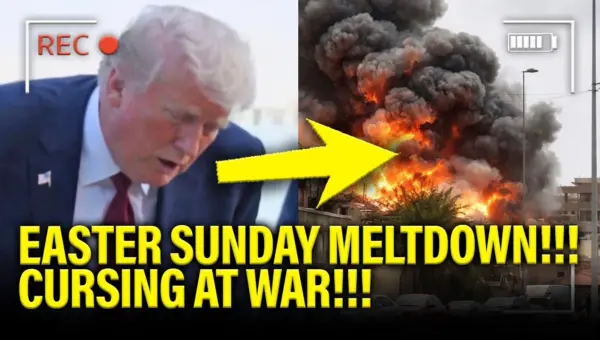
Trump’s Rhetoric Fuels Iran Tensions, Raises War Crime Alarms
Former President Donald Trump's aggressive Easter weekend social media posts directed at Iran have sparked international concern. His threats of military action and ultimatums, coupled with conflicting narratives about military engagements, have raised alarms about potential war crimes and a dangerous escalation of conflict. Critics accuse both Trump and segments of the media of downplaying the severity of his rhetoric.


Trump Threatens Iran: “Open Strait or Live in Hell”
President Trump issued a severe warning to Iran, threatening "hell" if the Strait of Hormuz is not reopened, while U.S. forces successfully rescued a downed airman. Experts suggest potential escalation and regional realignments are unfolding.