Trump’s Iran War Backfires, He Hides from Press
President Trump's Iran war is reportedly backfiring, leading to military setbacks and Iran striking US allies. Amidst this, Trump has avoided press, opting for social media posts. The conflict escalates with threats to civilian infrastructure and potential global economic fallout.

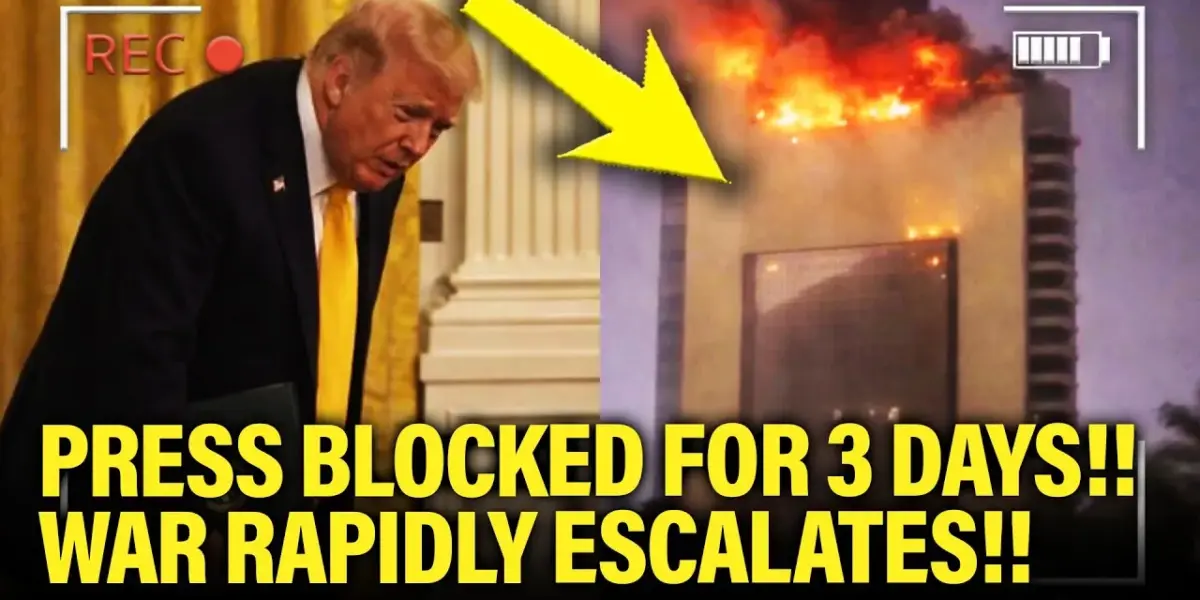
Trump’s Iran War Backfires, He Hides from Press
President Donald Trump appears to be in a difficult situation as the conflict in Iran escalates. Following a recent address to the nation, Trump has avoided public appearances and press conferences. This period of quiet is known as a “lid,” where the press is kept away from the president. This comes as reports indicate significant setbacks in the Iran conflict, including the downing of military aircraft and damage to helicopters. These events contradict earlier claims that Iran lacked the capability to strike back effectively.
Social Media Instead of Public Statements
Instead of facing the press, Trump has been active on social media. His posts have included remarks about a deadline given to Iran for a deal, with threats of severe consequences. He has also claimed that many Iranian military leaders were “terminated” in a “massive strike.” These statements have caused confusion about the specifics of the military actions. Amidst these developments, Trump also highlighted a high approval rating at a conservative convention, and made a controversial statement about immigration and national identity. The public is left questioning the nature of these pronouncements and their connection to the ongoing conflict.
Focus on “Executive Time” Amidst Escalation
While Trump has been making these social media posts, he has reportedly been in the Oval Office with his national security team. Reports suggest discussions about targeting Iran’s electrical grids and other civilian infrastructure. Trump’s official schedule has listed “executive time” for much of the day, a period that seems to coincide with these discussions and online activity. Meanwhile, Iran continues to control the Strait of Hormuz, a key shipping route. Iranian leaders have suggested they could direct Houthi forces to disrupt Red Sea shipping, potentially causing oil prices to surge significantly. This would have major global economic consequences.
Iran Strikes Back at US Allies
Iran has also targeted neighboring Arab nations that support the US, where American military operations are based. The Ministry of Oil building in Kuwait was hit by an Iranian attack, causing significant damage and affecting power and water desalination plants. Similarly, Bahrain’s Bapco Energy refinery complex was struck by a drone or missile, resulting in visible flames and smoke. These attacks indicate a widening of the conflict and a direct response to US military actions in the region. The situation is clearly intensifying, with potential for further escalation.
US Military Mobilization and Information Control
The United States has seen a significant mobilization of Air Force assets over Europe, with refueling tankers and other aircraft supporting strikes in Iran. This suggests preparation for large-scale air campaigns, which could imply future ground troop involvement. Adding to the complexity, reports indicate that the Trump administration has asked commercial satellite imagery providers, like Planet Labs, to withhold images of the Iran conflict. This move aims to control information and hide damage to US facilities and the region. However, it raises concerns about transparency and public access to information about the war’s impact.
Intelligence Reports and Shifting Regional Dynamics
New US intelligence reports suggest that Iran may increase its regional influence due to the conflict. Iran’s control over the Strait of Hormuz is expected to remain firm, with potential access granted to allied nations like Iraq, France, Japan, and India. Iran is also reportedly accepting payment in cryptocurrency and Chinese yuan, aiming to weaken the US dollar. This suggests a strategic effort by Iran to build alternative economic ties and assert its independence. Meanwhile, some US senators are focusing on domestic issues, drawing criticism for their perceived detachment from the escalating international crisis.
Drawdown of US Missile Inventory and Iran’s Stance
The conflict is also leading to a significant drawdown of the US military’s stealth cruise missile inventory. Nearly all available JSMER cruise missiles are being sent to the Middle East, leaving a limited supply for other global contingencies. This situation raises questions about US conventional deterrence, particularly concerning potential future conflicts with China. Iran, on the other hand, has expressed a firm stance, emphasizing its cultural heritage and resilience. Iranian officials have framed the attacks on their infrastructure as war crimes, accusing adversaries of aiming for the destruction of Iran itself. They assert that Iran is stronger and prouder than ever.
Economic Impacts and Escalation Threats
Regardless of how the conflict concludes, the ongoing situation in the Middle East is expected to have severe economic impacts due to oil supply shocks. Companies are invoking force majeure clauses, highlighting the disruption to global trade. Iranian leaders have issued further threats, stating that if they do not see signs of de-escalation, they will intensify attacks on Saudi Arabia, Qatar, Kuwait, and the UAE. They have described their strategy as a potential “scorched earth” scenario for the region. This brinkmanship, coupled with Trump’s threats to “blow Iran up to the stone ages,” places the region on high alert.
Concerns Over Civilian Infrastructure and War Crimes
Advisers to Trump have reportedly suggested targeting Iran’s power plants, road networks, and bridges, deeming Iran’s infrastructure as “fair game.” This approach, which involves destroying civilian infrastructure, is considered a war crime by many. Israel is reportedly preparing for strikes on such targets, awaiting Trump’s approval. Amidst this escalating military tension, Trump’s budget proposals have also drawn attention. A significant increase in funding for White House renovations, including a new bunker, has been criticized, especially when contrasted with proposed cuts to healthcare and social services.
Why This Matters
The events described highlight a dangerous escalation in the Middle East, driven by a conflict that appears to be backfiring on its initiators. President Trump’s withdrawal from public view and reliance on social media, while military actions unfold with significant consequences, raises questions about leadership and accountability. The targeting of civilian infrastructure, the potential for widespread economic disruption through oil supply shocks, and the drawdown of US military assets are critical issues with global implications. The situation underscores the complex geopolitical dynamics at play, the challenges of information control in wartime, and the human cost of prolonged conflict.
Implications, Trends, and Future Outlook
The current trajectory suggests a continued period of high tension and potential for further escalation in the Middle East. Iran’s demonstrated ability to strike regional allies and its control over key shipping lanes pose significant challenges to international stability and energy markets. The US response, including the depletion of critical missile stockpiles, could have long-term implications for its military readiness and global deterrence posture. The trend towards information control and the blurring lines between military action and political rhetoric could shape future conflicts. The future outlook points towards a volatile period, with economic consequences likely to be felt globally, regardless of the immediate military outcome.
Historical Context and Background
The current tensions are rooted in a long history of complex relations between the US and Iran, marked by political interventions, sanctions, and proxy conflicts. The 1953 CIA-backed coup that overthrew Prime Minister Mohammad Mossadegh, the 1979 Iranian Revolution, and subsequent hostage crisis have created deep-seated mistrust. More recently, the Iran nuclear deal (JCPOA) and its subsequent withdrawal by the Trump administration have significantly altered regional dynamics. The current conflict appears to be a culmination of these ongoing tensions, exacerbated by specific policy decisions and regional rivalries.
Source: Trump KICKS OUT Press as WAR UTTERLY BACKFIRES!! (YouTube)

Related Articles
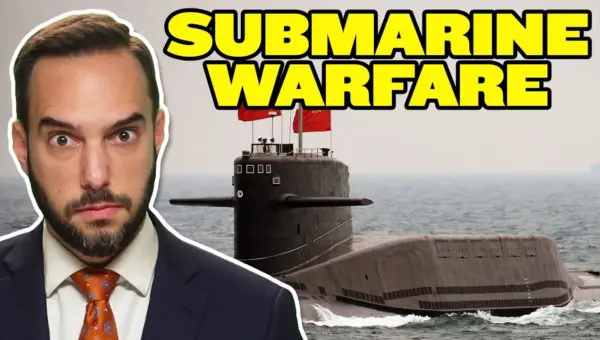
China Maps Seabed, Eyes Hawaii in Naval Power Play
China's extensive seabed mapping in the Pacific, particularly around strategic areas like Guam and Hawaii, is raising concerns about its preparation for submarine warfare. This effort, often disguised as scientific research, aims to enhance China's naval capabilities and challenge US dominance in the region.
Russia Faces Last-Ditch Offensive, Internal Cracks
Russia may be launching a final major offensive in Ukraine as it faces mounting internal pressures. Analysts suggest this push is a last resort before significant manpower and financial issues arise. Meanwhile, increasing domestic information control and official criticism highlight growing cracks within the Russian establishment.

Trump Threatens Iran, Shaking Global Stability
Former President Trump's aggressive Easter Sunday warning to Iran has ignited global concerns, highlighting a volatile intersection of politics, religion, and foreign policy. The analysis explores the motivations behind such rhetoric, the deep divisions within American society, and the potential for severe economic and geopolitical repercussions worldwide.