Russia’s Donbas Ultimatum Tests Ukraine’s Resolve
Russia has issued a two-month ultimatum for Ukraine to withdraw troops from Donbas, threatening further action if Kyiv refuses. Experts question Moscow's capability and credibility, highlighting Ukraine's growing drone warfare prowess and the need for sustained military strength. The demand underscores the critical juncture facing Ukraine amidst shifting geopolitical alliances and global economic pressures.

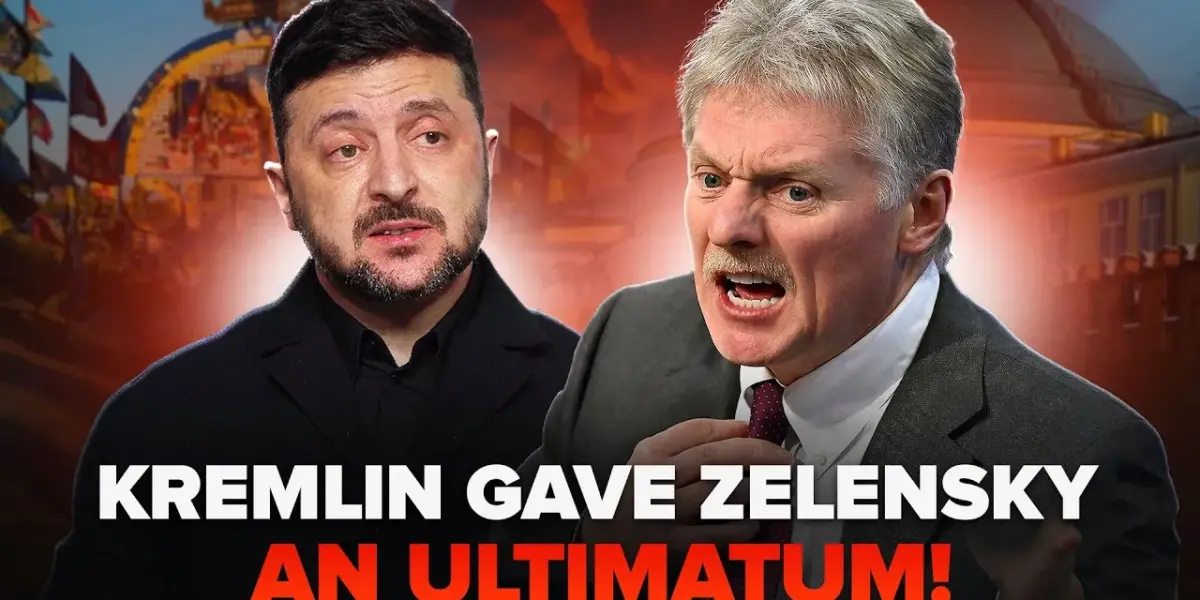
Russia Issues Donbas Deadline, Ukraine Faces Critical Juncture
Russia has reportedly set a two-month deadline for Ukraine to withdraw troops from the Donbas region, threatening to seize the territory and impose new war-ending conditions if Kyiv does not comply. This demand, conveyed to the United States, signals Moscow’s intent to escalate its territorial ambitions in eastern Ukraine.
Kremlin’s Demands and Ukraine’s Response
The Kremlin’s ultimatum, as reported, demands Ukraine’s withdrawal from all of Donbas within two months. If Ukraine fails to meet this demand, Russia states it will seize the region and dictate further terms for ending the war. This aggressive stance comes as Ukraine continues to resist Russian advances, employing long-range drone tactics to strike Russian energy infrastructure and targets in Crimea.
British journalist and security specialist Edward Lucas described the Russian demand as “bombast,” questioning the credibility of any promises made by Moscow, citing the Budapest Memorandum as an example of Russia failing to uphold its commitments. Lucas emphasized that military strength remains the most reliable path to peace for Ukraine.
Strategic Context: Donbas and Russian Capabilities
The Donbas region, comprising Luhansk and Donetsk oblasts, has been a focal point of the conflict since 2014. Russia’s stated aim to occupy the entirety of the region within two months presents a significant military challenge. While Russia possesses an advantage in missile bombardments due to Ukraine’s air defense limitations, experts like Lucas express skepticism about Russia’s ability to achieve substantial territorial gains rapidly.
Ukraine’s innovative drone warfare tactics have proven effective in degrading Russian logistics and energy infrastructure, complicating Moscow’s ability to reinforce front lines or launch offensive operations. These strikes on facilities like the ports of Ust-Luga and Primorsk in Russia’s Baltic region, and deeper into Russian territory, demonstrate Ukraine’s growing long-range strike capabilities, which are less dependent on Western military aid.
The Role of Western Support and Diplomacy
The Russian ultimatum also appears to be a diplomatic gambit aimed at influencing international perception, particularly in Washington. By presenting themselves as willing to negotiate a “comprehensive peace” while Ukraine resists, Russia may be attempting to portray Kyiv as the unreasonable party. However, Lucas noted that the United States’ reduced support for Ukraine may paradoxically lessen Washington’s leverage over Kyiv.
The article highlights a growing European role in supporting Ukraine, with emphasis on developing and exporting drone technology. This trend suggests a shift towards a more multi-polar approach to security, where nations like Ukraine, with advanced defense innovations, can forge new partnerships, potentially including states in the Middle East.
Potential Russian Responses and NATO’s Vigilance
In response to Ukrainian long-range strikes, particularly those targeting oil infrastructure, Russia has warned of retaliation if Ukraine uses foreign airspace. Moscow has suggested that Ukrainian drones might be transiting through NATO airspace, such as Poland, Lithuania, Latvia, or Estonia. Experts, however, find no evidence of this, suggesting Russian jamming measures might be responsible for drone deviations.
Lucas cautioned against falling for Russian diplomatic maneuvers, such as demands for no-fly zones over the Baltic states. He stressed that NATO countries have the sovereign right to manage their airspace and that Russia should focus on defending its own territory rather than complaining. The article also touches upon historical instances of Western powers considering concessions to Russia, citing a past consideration by former NATO Secretary General Jens Stoltenberg regarding troop withdrawals to 1997 borders, which caused concern in the Baltic states.
Broader Geopolitical and Economic Implications
The ongoing conflict and Russia’s demands have significant geopolitical and economic consequences. Ukraine’s successful drone attacks on Russian oil infrastructure aim to cripple Russia’s war funding. While some allies have expressed concerns about rising global energy prices, the article argues that disrupting Russia’s oil exports is crucial for ending the war, even if it leads to temporary price increases. The security of Europe is deemed “priceless” compared to short-term economic concerns.
The potential for Russian provocations beyond Ukraine’s borders is also discussed. While some experts warn of escalation in the Baltic states, Lucas believes a direct attack on NATO territory is unlikely. Instead, he suggests potential Russian kinetic actions could occur in less defended areas like Svalbard or within Western European nations that have historically neglected defense spending, posing a significant test for NATO.
Ukraine’s Growing Influence and Defense Industry
Ukraine’s battlefield experience and advancements in drone technology have made its defense industry highly sought after, particularly in the Middle East. This growing demand suggests Ukraine is forging new international partnerships, independent of traditional major powers. The article notes that while these partnerships may be transactional, they offer Ukraine crucial support and leverage.
The rise of Ukrainian drone technology is also reshaping the global defense industry, challenging established manufacturers. Lucas praised Ukraine’s innovation, suggesting it has an edge in modern combined arms warfare, integrating drones, soldiers, and artillery.
Concerns Over US Policy and Global Stability
The interview also touched upon the potential impact of prolonged US involvement in conflicts, such as one with Iran. Such engagements could deplete critical US military stockpiles, affecting its ability to project power and support allies in Europe and Asia. Furthermore, perceptions of US unreliability and the economic stresses caused by escalating global prices for essential goods could destabilize alliances and international relations.
The discussion concludes with a somber assessment of the current global security situation, highlighting a lack of readiness for prolonged crises, high levels of national debt, and public unawareness of the threats. The potential for miscalculation and escalating regional conflicts remains a significant concern.
Source: 😱Peskov delivers an ultimatum to Zelensky! Kremlin has derailed deal. Urgent update on negotiations (YouTube)

Related Articles
Russia Faces Last-Ditch Offensive, Internal Cracks
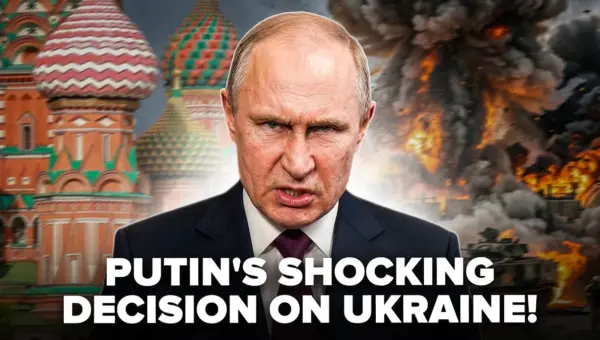
Russia may be launching a final major offensive in Ukraine as it faces mounting internal pressures. Analysts suggest this push is a last resort before significant manpower and financial issues arise. Meanwhile, increasing domestic information control and official criticism highlight growing cracks within the Russian establishment.
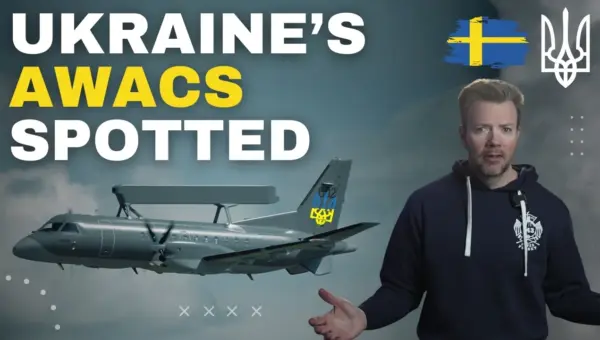
Ukraine Deploys AWACS, Bolstering Air Defense Against Russia
Ukraine has reportedly deployed its new Swedish-made AWACS aircraft, significantly enhancing its air defense capabilities. The Saab 340 AEW&C provides crucial early warning and tracking, particularly against Russia's glide bomb attacks. While facing operational limitations, the aircraft offers a vital tactical advantage by improving situational awareness and disrupting enemy strike planning.
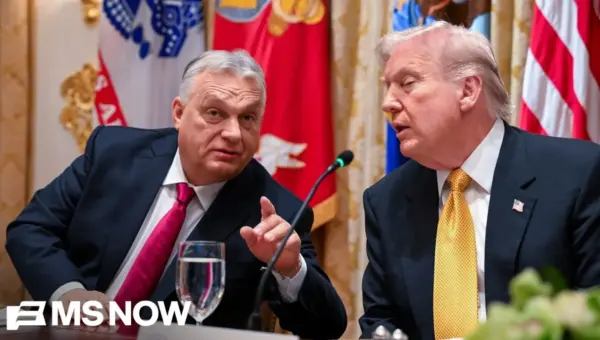
Vance Visits Hungary: A ‘Model’ for Trump’s America?
Vice President J.D. Vance's visit to Hungary signals support for Prime Minister Viktor Orban, raising questions about the U.S. embrace of Orban's governance model. Expert Anne Applebaum criticizes the move, linking it to a MAGA agenda for a European right-wing alliance and highlighting Orban's record of corruption and authoritarianism. The visit occurs amid concerns about Hungary's alignment with Russia and its impact on NATO cohesion.