Trump Picks Loyalists Over Law to Lead Justice Department
Donald Trump's search for a new Attorney General reveals a pattern of prioritizing loyalty over legal expertise. Critics argue this approach undermines the independence of the Justice Department, raising concerns about the rule of law.

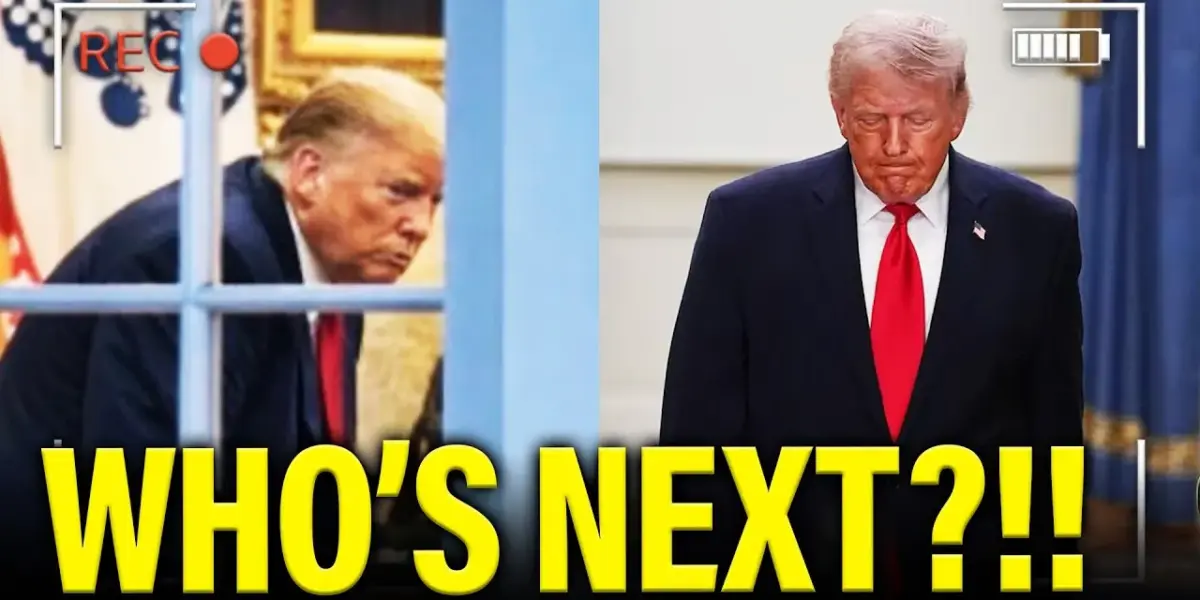
Trump’s Justice Department: A Loyalty Test Over Legal Prowess
The leadership of the Department of Justice under Donald Trump has become a revolving door, raising serious questions about its independence and integrity. Recent events, including the firing of Pam Bondi, highlight a pattern of prioritizing political loyalty over legal expertise when selecting top officials. This trend has drawn criticism, even from within the Republican party, who argue the Attorney General should be a figure of esteem and credibility, not merely an extension of a political campaign or a private defense team.
A History of Turnover and Political Appointments
Donald Trump’s first term saw a remarkable turnover in the Attorney General position, with five individuals serving in the role. This history suggests a preference for those willing to align with Trump’s agenda, rather than those with a deep understanding of federal law and practice. The current situation, with Pam Bondi being dismissed, adds another layer to this ongoing narrative. Speculation is rife about who might be next, with figures like FBI Director Cash Patel rumored for a potential firing, and Christine Gnome already out. This constant reshuffling is likened to rearranging deck chairs on the Titanic as the administration heads into critical periods like the midterms.
The Search for a New Attorney General: Who’s on the List?
The question of who will replace Bondi is complex. While Todd Blanch, the Deputy Attorney General, is seen by some as a qualified candidate with extensive experience in federal practice, his loyalty to Trump’s vision is questioned by the MAGA base. They view him as not being sufficiently loyal, and some believe he deliberately slows down actions beneficial to Trump. This perception is fueled by individuals like Peter Ticktin, who claims Blanch is failing to grant pardons, support J6 defendants, or address issues related to Dominion Machines, attributing these issues to Blanch’s intentional actions rather than incompetence.
“Unfortunately, we’re not getting the the cooperation that we need… Todd Blanch is failing on all measures… because of him, we haven’t had a pardon granted since May.”
This criticism, coming from someone close to Trump, appears to be a loyalty test for Blanch. The core issue seems to be whether a potential candidate is willing to engage in actions that some deem ethically questionable or politically motivated.
Evaluating Potential Candidates
Several names are reportedly on Trump’s shortlist for Attorney General, each with their own set of controversies and perceived loyalties:
- Ron DeSantis: Once a rival, now seen as having fallen in line. However, he is criticized for not restoring confidence in an independent Justice Department and is perceived by some as a “weasel.”
- Lee Zeldon: A former congressman, he is criticized for dismantling the EPA and is seen as primarily promoting Trump’s political agenda. His lack of federal court experience is a significant concern for those seeking a legally qualified candidate.
- Janine Piro: Described as a “political hack” with no federal prosecutor experience, she has a history of pursuing cases against Trump’s political targets, often with questionable success and facing judicial rebukes. Her husband also had a corruption problem in the past.
- Aileen Cannon: The judge presiding over the Mar-a-Lago indictment, she is seen as a potential reward for her actions perceived as favorable to Trump. She is also rumored to be a candidate for the U.S. Supreme Court, with her judicial actions viewed as a tryout for that position.
- Jason Reading Kenyon: A former judge and military member now serving as U.S. Attorney, he is described as a “C student” who was not properly promoted. He is seen as someone who does Trump’s bidding against political targets.
The selection process appears to be driven by a desire for unwavering loyalty, with experience and legal acumen taking a backseat. Figures like Aileen Cannon, who has taken actions in the Mar-a-Lago case that have been criticized as legally unorthodox, are being considered. This suggests a willingness to appoint individuals who have demonstrated a willingness to bend or challenge established legal norms in favor of Trump’s interests.
Why This Matters
The integrity and independence of the Department of Justice are fundamental to the rule of law in the United States. When the Attorney General position is perceived as being filled based on political loyalty rather than legal qualifications and ethical standards, it erodes public trust. This can lead to a perception that the justice system is being weaponized for political gain, undermining the very principles of fairness and equal justice that the department is meant to uphold. The implications are far-reaching, affecting everything from ongoing investigations to the administration of justice at the highest levels.
Trends and Future Outlook
The trend observed in these potential appointments suggests a continued prioritization of loyalty within the Trump orbit. If Trump were to regain power, the expectation is that he would continue to seek individuals who are not only aligned with his political views but also willing to act as extensions of his personal and political will. This approach risks further politicizing the Department of Justice, potentially leading to a decline in its credibility both domestically and internationally. The future outlook points towards a continued struggle to maintain the independence of legal institutions when faced with strong political pressures.
Source: Trump SCRAMBLES After AG FIRING Sends WH Into SPIRAL (YouTube)

Related Articles

Trump Threatens Iran, Shaking Global Stability
Former President Trump's aggressive Easter Sunday warning to Iran has ignited global concerns, highlighting a volatile intersection of politics, religion, and foreign policy. The analysis explores the motivations behind such rhetoric, the deep divisions within American society, and the potential for severe economic and geopolitical repercussions worldwide.


Trump’s Rhetoric Fuels Iran Tensions, Raises War Crime Alarms
Former President Donald Trump's aggressive Easter weekend social media posts directed at Iran have sparked international concern. His threats of military action and ultimatums, coupled with conflicting narratives about military engagements, have raised alarms about potential war crimes and a dangerous escalation of conflict. Critics accuse both Trump and segments of the media of downplaying the severity of his rhetoric.

Trump’s Vulgar Iran Threat Sparks Global Outrage
President Donald Trump issued a highly profane threat against Iran via social media, warning of attacks on civilian infrastructure if the Strait of Hormuz was not opened. Experts suggest the outburst stems from frustration and desperation, while legal scholars warn of potential war crimes. The situation continues to escalate, with significant economic and political implications for the region.