US Revokes Green Cards From Soleimani Kin
The US has revoked green cards for relatives of Qasem Soleimani, citing their support for the Iranian regime. Retired Lt. Col. Darren Gob supports the move, emphasizing national security. The discussion also covered search and rescue operations and military actions against Iran.

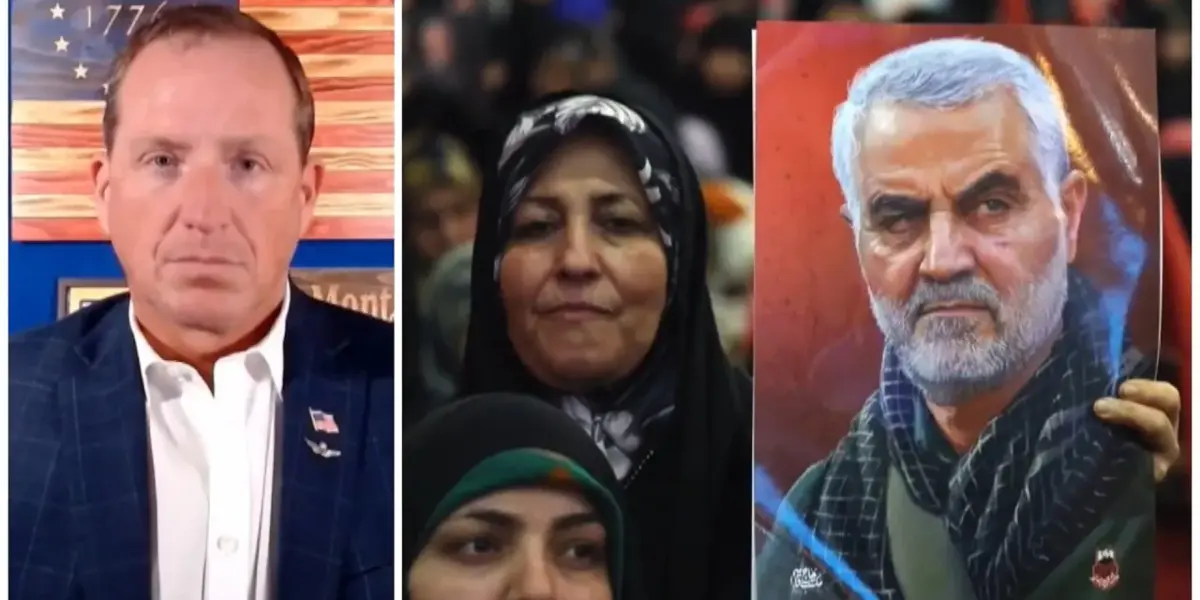
US Revokes Green Cards From Soleimani Kin
The U.S. government has taken a significant step by revoking the green cards of relatives of Qasem Soleimani, a former Iranian military leader. This action targets his niece and grandniece, whom the State Department says support the Iranian regime. One niece is described as an outspoken supporter who promotes propaganda and celebrates attacks on U.S. soldiers.
Retired Lieutenant Colonel Darren Gob, a geopolitical strategist, called this a “good move.” He explained that the key difference is what these individuals advocate for. If they were seeking refuge from the Iranian regime and wished to live peacefully in America, that would be one thing. However, he stated that if they openly support the ideology of Iran’s dictatorship, revoking their green cards is the right decision.
Securing the Immigration System
The State Department emphasized that the U.S. will not be a haven for foreign nationals supporting anti-American terrorist regimes. This stance echoes previous actions taken regarding visa applications for those supporting groups like Hamas. Colonel Gob stressed the critical importance of securing the immigration system for national security.
“Securing our immigration system and cleaning out what was let in is probably the number one priority that would ensure that we can remain being a free and independent nation versus not being.”
He believes this is essential for ensuring only U.S. citizens vote in elections and that people come to America legally. If individuals are here to undermine the country from within, he argued, they must be deported. This, he stated, is a matter of national survival.
Search and Rescue in Hostile Territory
The discussion also touched upon a reported U.S. search and rescue mission for a jet crew member in Iran. While Israeli officials confirmed the initial search, the U.S. has not publicly confirmed the operation. Colonel Gob outlined the complex factors involved in such missions.
Key considerations include the ejection location, which helps narrow down the search area. Pilots carry systems that can aid in locating them, provided these systems are operational. The threat situation on the ground is also crucial. This determines the danger to the isolated personnel and the risks a recovery team would face.
Planners also assess factors like the availability of water and the overall survivability of the downed crew member. These elements help determine the feasibility and timeline for a recovery operation. Colonel Gob, who has trained hundreds of aircrews in survival, explained how service members are prepared.
He noted that extensive training takes over in such stressful situations. The primary focus for the downed individual is to assess their location, medical condition, and immediate threats. They are also pre-briefed on potential actions and movements to assist search teams.
Military Operations and Perspective
The incident highlights the risks U.S. troops face. However, statistics provided by CENTCOM show significant U.S. military activity targeting Iran, including over 12,000 Iranian targets struck and 155 Iranian vessels damaged or destroyed. Colonel Gob urged the public to maintain perspective.
He acknowledged that search and rescue missions for isolated personnel naturally dominate the news. Despite this focus, the extensive operations across Iran are impressive, especially given the known air defense threats. He praised the U.S. military’s performance and its expertise in recovering its own personnel.
Diplomatic Pressure and Options
The conversation concluded with President Trump’s ultimatum to Iran, demanding a deal or facing consequences, including potential disruption of the Strait of Hormuz. Colonel Gob discussed the options available if diplomatic efforts fail.
He noted that military actions could target specific infrastructure in Iran, including electrical capacity, similar to the recent destruction of a bridge used for military purposes. While these options are on the table, he expressed hope that they would not be necessary.
Source: 'A Good Move': Ret. Colonel on US Revoking Soleimani's Relatives' Green Cards (YouTube)

Related Articles

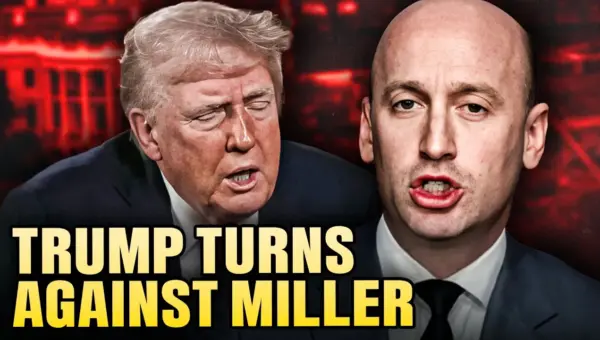
Trump Blames Miller for Failed Immigration Policies
Donald Trump is reportedly blaming Stephen Miller for the unpopularity of his immigration policies. As public opinion shifts, Trump appears to be seeking a way to distance himself from the controversial agenda, potentially making Miller the fall guy.
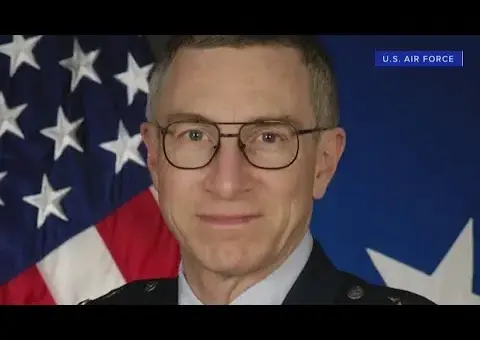
Ex-General’s Disappearance Fuels UFO Conspiracy Theories
Retired Air Force Major General William McCasland's sudden disappearance has sparked intense speculation, fueled by his past work on classified programs and UFO conspiracy theories. While his wife suggests personal health struggles led him to leave intentionally, his background in secret projects and past encounters with Russian hackers keep other theories alive.


Stacey Abrams Decries Child Detention Conditions
Stacey Abrams visited the Dilley, Texas detention center, calling the conditions inhumane and comparing the facility to a "prison camp." She links the mistreatment of detained children and immigrants to the broader erosion of democracy and the rise of authoritarianism. Abrams also criticized recent executive orders on voting as unconstitutional attempts to restrict access to the ballot.