ICE Detains Soleimani Kin; Trump’s Race Data Pause Ordered
The U.S. has revoked visas for relatives of former Iranian general Qasem Soleimani, leading to their detention by ICE. Meanwhile, a federal judge has ordered a pause on President Trump's collection of race data from universities, citing procedural issues. These events highlight ongoing diplomatic tensions and debates over educational policy.

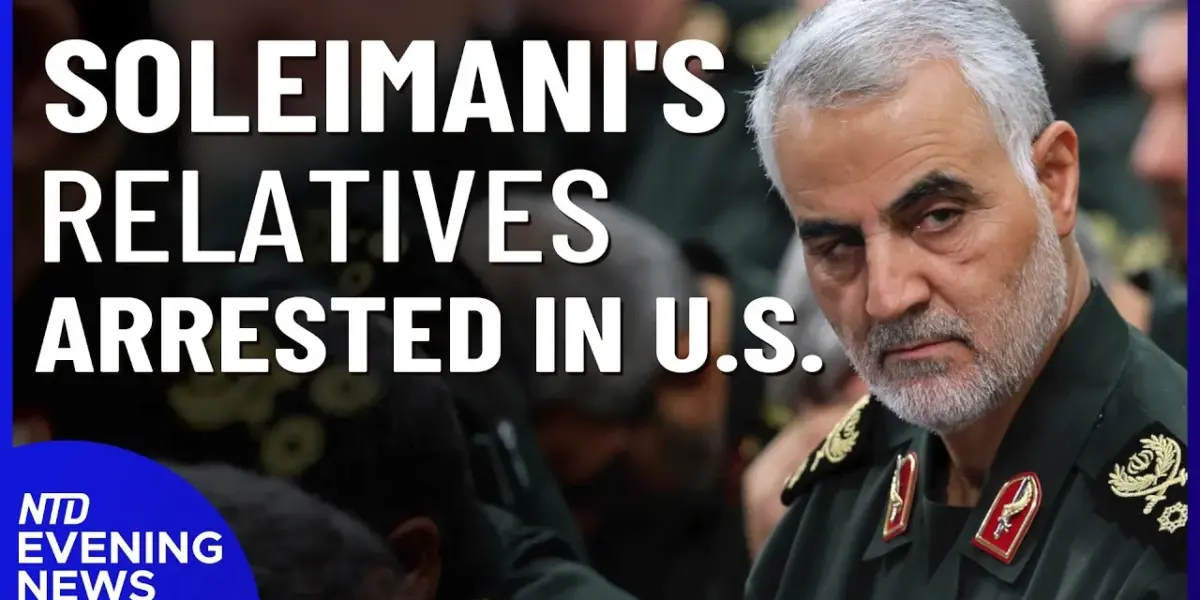
ICE Detains Soleimani Kin; Trump’s Race Data Pause Ordered
The United States has taken a significant step by revoking the visas of family members of Qasem Soleimani, a former Iranian general. Soleimani, a high-ranking officer in Iran’s Islamic Revolutionary Guard Corps, was killed during the Trump administration. His niece and grandniece are now reportedly in the custody of Immigration and Customs Enforcement (ICE). This action by the State Department signals a continued focus on individuals connected to figures deemed adversaries of the U.S.
The move raises questions about diplomatic relations and the broader implications of targeting relatives of foreign officials. While the U.S. has a right to control its borders and visa policies, the detention of family members, especially children, can be a sensitive international issue. The specific circumstances leading to the detention and the exact nature of their relationship to Soleimani are important details that would shape public perception of this event.
Federal Judge Halts Race Data Collection
In a separate development, a federal judge in Boston has ordered President Donald Trump to stop collecting race data from public universities. This order comes as part of the administration’s effort to challenge race-based policies in higher education. The judge acknowledged that the federal government likely has the power to gather such information. However, the ruling pointed out that the way this data was requested from universities seemed rushed and disorganized.
This judicial intervention highlights the legal and procedural challenges faced by government initiatives. Collecting data, especially sensitive information like race, requires careful planning and clear communication. The judge’s criticism suggests that the administration may need to revise its approach to ensure fairness and compliance with established processes. This ruling could impact future attempts by the government to gather demographic data from educational institutions.
Looking Ahead: Sports and Holidays
Beyond these significant policy and diplomatic news, the world of sports is gearing up for the college basketball Final Four. Exciting games are expected as the winners prepare to advance to the championship. Meanwhile, people across the globe are getting ready to celebrate Easter. Traditions range from beautifully decorated eggs to delicious chocolate treats, marking a time of cultural and religious observance for many.
Why This Matters
The detention of Soleimani’s relatives and the halt on race data collection both touch upon significant areas of U.S. policy and international relations. The visa revocation and detention of family members, even those distantly related to a former adversary, can have far-reaching diplomatic consequences. It raises ethical considerations and could impact how other nations view U.S. immigration and foreign policy actions. This is especially true when dealing with the families of individuals who were once prominent figures on the world stage.
Similarly, the judge’s ruling on race data collection underscores the importance of due process and proper procedure in government actions. While the administration’s goal may be to address perceived inequities, the method of implementation is crucial. The judicial branch’s role is to ensure that government actions are lawful and fairly executed. This pause allows for a review of the process, potentially leading to a more structured and legally sound approach to data collection in the future.
Historical Context and Future Outlook
Qasem Soleimani was a key figure in Iran’s military and intelligence operations for years, and his elimination was a major event in U.S.-Iran relations. Actions taken against his relatives, even years later, reflect the ongoing tensions between the two countries. Historically, such measures can be seen as attempts to exert pressure or send a message. The long-term impact of these actions on diplomatic ties and regional stability is something to watch.
The debate over race-based policies in education is not new. For decades, universities have sought ways to promote diversity and address historical disadvantages. Government intervention in these matters, especially regarding data collection, often sparks intense discussion about affirmative action, equality, and the role of race in admissions and academic programs. Future legal challenges and policy adjustments are likely as this debate continues.
The news also reminds us that amidst complex geopolitical events and policy shifts, everyday life continues. The excitement of the Final Four and the global observance of Easter highlight the enduring aspects of sports, culture, and tradition. These events provide a sense of normalcy and shared experience, even during times of significant national and international news.
Source: Soleimani's Relatives Detained by ICE; Trump to Iran: Time Running Out | NTD Evening News (Apr. 4) (YouTube)

Related Articles


Trump’s Birthright Citizenship Plan Risks Undoing Progress
Kermit Roosevelt III, a constitutional law professor, argues that Donald Trump's challenge to birthright citizenship echoes post-Civil War efforts to undermine civil rights. The debate centers on the 14th Amendment's "subject to the jurisdiction" clause, with Roosevelt asserting the administration's interpretation is historically inaccurate and legally unsound. He believes the Supreme Court will likely reject the argument, but warns of broader implications for national identity and civil rights.

Vance Visits Hungary: A ‘Model’ for Trump’s America?
Vice President J.D. Vance's visit to Hungary signals support for Prime Minister Viktor Orban, raising questions about the U.S. embrace of Orban's governance model. Expert Anne Applebaum criticizes the move, linking it to a MAGA agenda for a European right-wing alliance and highlighting Orban's record of corruption and authoritarianism. The visit occurs amid concerns about Hungary's alignment with Russia and its impact on NATO cohesion.


Protests Explode Across Middle East Amid War Escalation
Millions are protesting across the Middle East against the Trump and Netanyahu administrations. Large demonstrations in Baghdad, Syria, Yemen, and even Tel Aviv show widespread opposition to the ongoing war. Analysts criticize the aggressive rhetoric and strategy, warning of further escalation and regional instability.