Iran Nuclear Plant Attacked Amid Rising Tensions
Iran's Bushehr nuclear plant was reportedly targeted in an air strike, raising fears of radioactive fallout. The incident occurred amid heightened regional tensions and a new ultimatum issued by former President Donald Trump to Iran. An expert discusses the complexities of diplomacy and the potential risks involved.

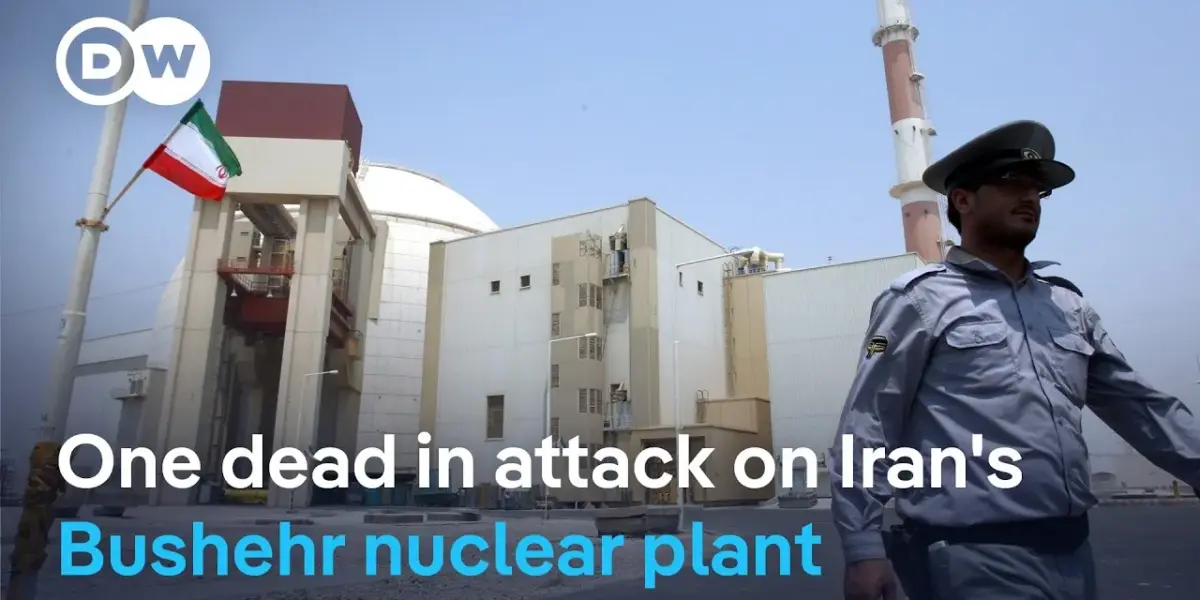
Iran’s Bushehr Nuclear Plant Hit by Air Strike
Iran’s foreign ministry has reported an air strike targeting the Bushehr nuclear plant, raising concerns about the potential for a radiological release. A security guard was reportedly killed in the incident, though no increase in radiation levels has been detected so far. This event comes amid a period of heightened tension in the region, with multiple alleged attacks on Iranian facilities.
Israel Linked to Prochemical Factory Strikes
Separately, Israel has acknowledged carrying out a strike on Iranian prochemical factories. Iranian media reported that at least five people died in these air strikes, which targeted the Mashar prochemical zone. The dual incidents highlight a significant escalation in hostilities, with both nuclear and industrial sites becoming targets.
Trump Issues Ultimatum to Iran
Former President Donald Trump has issued a stark warning to Iran, demanding an end to the current conflict or the opening of the Strait of Hormuz within ten days. He posted on his social media platform, Truth Social, threatening severe consequences if Iran fails to comply. This ultimatum adds another layer of pressure to an already volatile situation, though its effectiveness remains uncertain.
Expert Weighs In on Trump’s Threats
Benam bin Taliblau, a senior fellow at the Foundation for Defense of Democracies, advised taking Trump’s threats seriously but noted the mixed track record of previous US deadlines concerning Iran. “We do have to remember over the course of this now one month plus uh military campaign against the Islamic Republic, uh the US has had various deadlines and timelines,” he stated. He suggested that these deadlines are often used to gain leverage and encourage Iran to negotiate or change its stance. The outcome of this latest deadline, he believes, will depend on whether the US administration extends it or if Iran shows interest in indirect diplomacy.
Challenges to Diplomacy and Trust
Talks between the US and Iran have stalled, with Iran expressing distrust in diplomatic processes. Previous negotiations, described as promising by mediators, were interrupted by Israeli and US strikes. Taliblau believes a major negotiated resolution is unlikely in the near future. However, he sees potential for contact regarding de-escalation and conflict reduction. He pointed out that Iranian officials often publicly deny private contacts, a known habit of the regime. Regarding trust, Taliblau argued it has never been the foundation of US-Iran diplomacy, citing former Iranian Foreign Minister Mohammad Javad Zarif’s comments that even the 2015 Iran nuclear deal was not based on trust. He acknowledged that hardliners might be more entrenched due to recent actions but believes this does not alter Iran’s fundamental perception of the US.
Russia Condemns Alleged US-Israel Strike
Russia has condemned a reported US-Israel strike on Iran’s Bushehr nuclear power plant, calling it “evil.” However, Taliblau found Russia’s condemnation rich, given its actions regarding the Zaporizhzhia nuclear reactor in Ukraine. He called for an investigation into the Bushehr incident, noting the reported injury or death of a security guard. Taliblau urged caution in accepting Russia’s condemnation, suggesting their stance on nuclear plant safety is not consistently applied.
Iran Warns of Radioactive Fallout
Iran’s foreign minister has warned of potential radioactive fallout from the Bushehr plant incident, though he stated it would not affect Tehran. Taliblau interpreted this warning as a potential threat of contaminant attacks, referencing Iran’s known biological and chemical weapons programs. He sees Iran’s rhetoric as an attempt to maintain its posture of threatening consequences for any escalation by US partners in the Middle East. This mirrors past threats, such as Iran’s warning that if it couldn’t export oil, no one would. Taliblau believes Iran is again using threats to deter US allies in the region.
Search for Missing US Pilot Intensifies
The search continues for a US pilot whose fighter jet was shot down over southern Iran. Iranian security forces are also searching for the pilot, with state media reporting offers of rewards for his capture alive. Taliblau expressed hope that a US search and rescue mission would locate the pilot first. He recalled Iran’s history of taking foreign nationals hostage, including diplomats, and predicted that hostage diplomacy would be a minimum response from the regime if the pilot is captured. He refrained from speculating on the maximum consequences, given Iran’s history of terrorism and actions against its own citizens.
Looking Ahead
The coming days will be critical in observing whether Iran responds to Trump’s ultimatum and if any diplomatic channels open for de-escalation. The ongoing search for the missing US pilot also presents a significant potential flashpoint. The international community will be watching closely to see how the US and its allies navigate these escalating tensions and whether further strikes occur, potentially impacting nuclear facilities or leading to more dangerous retaliations.
Source: Neither the US nor Israel has confirmed the attack. Who did it? | DW News (YouTube)

Related Articles

Trump Threatens Iran, Shaking Global Stability
Former President Trump's aggressive Easter Sunday warning to Iran has ignited global concerns, highlighting a volatile intersection of politics, religion, and foreign policy. The analysis explores the motivations behind such rhetoric, the deep divisions within American society, and the potential for severe economic and geopolitical repercussions worldwide.
Trump’s Rhetoric Fuels Iran Tensions, Raises War Crime Alarms
Former President Donald Trump's aggressive Easter weekend social media posts directed at Iran have sparked international concern. His threats of military action and ultimatums, coupled with conflicting narratives about military engagements, have raised alarms about potential war crimes and a dangerous escalation of conflict. Critics accuse both Trump and segments of the media of downplaying the severity of his rhetoric.


Trump Threatens Iran: “Open Strait or Live in Hell”
President Trump issued a severe warning to Iran, threatening "hell" if the Strait of Hormuz is not reopened, while U.S. forces successfully rescued a downed airman. Experts suggest potential escalation and regional realignments are unfolding.