Trump Declares Presidential Records Act Unconstitutional
A recent legal opinion from the Trump administration's Office of Legal Counsel has declared the Presidential Records Act of 1978 unconstitutional. This controversial move suggests that the President and their staff may have the right to destroy presidential communications, raising alarms about transparency and accountability.

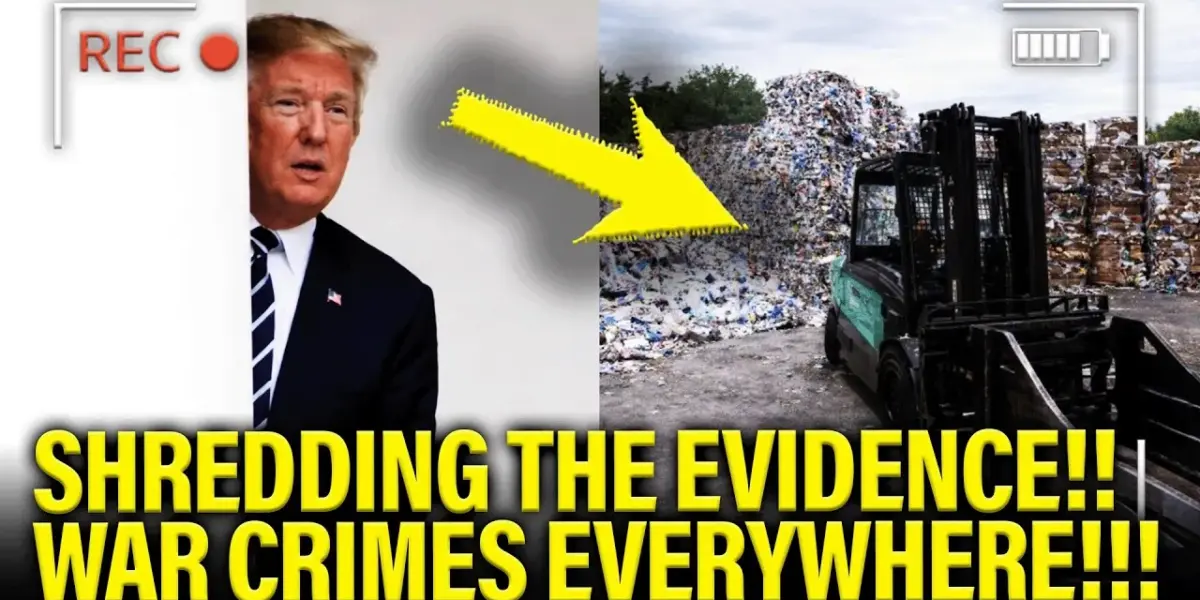
White House Claims Power to Destroy Records
A recent legal opinion from the Trump administration’s Office of Legal Counsel (OLC) has declared the Presidential Records Act of 1978 unconstitutional. This opinion suggests that the President and their staff have the right to destroy or delete presidential communications and records. This move has raised serious concerns about transparency and accountability within the executive branch.
What is the Presidential Records Act?
The Presidential Records Act became law in 1978, following the Watergate scandal. It was designed to ensure that records created and received by presidents and their staff are preserved. These records belong to the American people, not to the individual president. The act outlines a process for managing and preserving these important historical documents.
Historical Context: Why the Act Was Created
The Watergate scandal highlighted the danger of presidents destroying or withholding records. Richard Nixon’s administration was accused of destroying evidence, most famously the 18-and-a-half-minute gap on a key tape recording. The Presidential Records Act was a direct response to this, aiming to prevent future presidents from hiding or discarding information that belongs to the public.
The OLC’s Argument
The OLC’s memo argues that the Presidential Records Act is unconstitutional for two main reasons. First, it claims that Congress overstepped its powers by trying to regulate the presidency. Second, it suggests the act gives too much power to Congress, harming the executive branch’s independence. The memo states that the Act “exceeds Congress’s enumerated and implied powers” and “aggrandizes the legislative branch at the expense of the constitutional independence and autonomy of the executive branch.”
Concerns Over Record Destruction
Critics argue that declaring the Act unconstitutional opens the door for presidents to destroy records at will. This could include emails, text messages, and other communications related to White House business. The fear is that this could be used to cover up wrongdoing or hide information from the public and future investigations. As one commentator put it, “The bottom line is that can’t be subterfuge for ways to not preserve communications records relating to the presidency.”
The Power of OLC Opinions
Opinions from the Office of Legal Counsel have significant weight within the executive branch. They are often treated as law, even if they haven’t been tested in court. For example, a previous OLC opinion stating that a sitting president cannot be indicted influenced the actions of Special Counsel Robert Mueller’s investigation. This new opinion means that, within the executive branch, the Presidential Records Act could be disregarded.
The Challenge of Legal Standing
A major hurdle in challenging this new interpretation is the concept of legal standing. Typically, to sue, a party must show they have been directly harmed. It is unclear who would have the legal right to sue to stop the destruction of presidential records. It’s unlikely that a regular citizen would have standing simply because they are an American taxpayer. Congress might be able to act, but critics suggest Congress has been reluctant to confront the executive branch on such matters.
Implications and Future Outlook
If this OLC opinion stands, it could fundamentally change how presidential records are handled. It raises questions about historical preservation and public access to information. The prospect of presidents being able to destroy records at the end of their term is seen by many as an “anti-democratic” assertion of power. It creates a “breathtaking assertion of power” that could allow for a “rewriting of history.”
Why This Matters
The Presidential Records Act is a cornerstone of government transparency. It ensures that the actions and decisions of presidents are documented for posterity and public scrutiny. Allowing presidents to unilaterally declare this law unconstitutional and potentially destroy records undermines the public’s right to know what their government is doing. It erodes accountability and could set a dangerous precedent for future administrations, making it harder to understand our nation’s history and hold leaders responsible.
A Call for Action
Experts suggest that Congress could intervene by passing new legislation or withholding funds to enforce record preservation. However, the current political climate makes such action uncertain. The situation highlights the ongoing tension between executive power and congressional oversight, and the critical role of legal interpretations in shaping the boundaries of government authority.
Source: Trump STARTS SHREDDING DOCS as TERM IS COLLAPSING !! (YouTube)

Related Articles

Trump’s Birthright Citizenship Plan Risks Undoing Progress
Kermit Roosevelt III, a constitutional law professor, argues that Donald Trump's challenge to birthright citizenship echoes post-Civil War efforts to undermine civil rights. The debate centers on the 14th Amendment's "subject to the jurisdiction" clause, with Roosevelt asserting the administration's interpretation is historically inaccurate and legally unsound. He believes the Supreme Court will likely reject the argument, but warns of broader implications for national identity and civil rights.
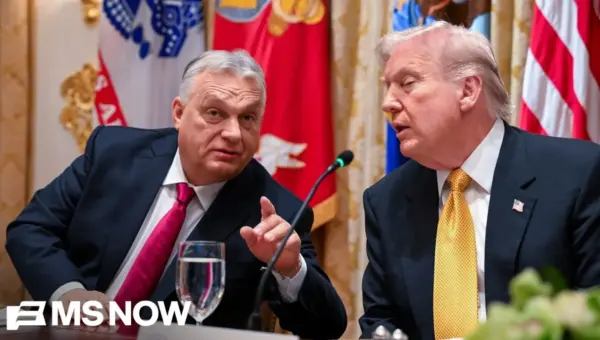
Vance Visits Hungary: A ‘Model’ for Trump’s America?
Vice President J.D. Vance's visit to Hungary signals support for Prime Minister Viktor Orban, raising questions about the U.S. embrace of Orban's governance model. Expert Anne Applebaum criticizes the move, linking it to a MAGA agenda for a European right-wing alliance and highlighting Orban's record of corruption and authoritarianism. The visit occurs amid concerns about Hungary's alignment with Russia and its impact on NATO cohesion.

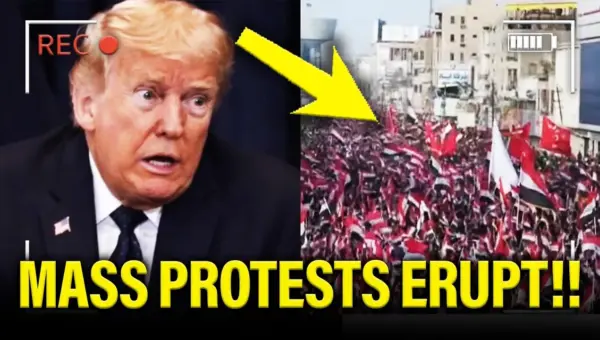
Protests Explode Across Middle East Amid War Escalation
Millions are protesting across the Middle East against the Trump and Netanyahu administrations. Large demonstrations in Baghdad, Syria, Yemen, and even Tel Aviv show widespread opposition to the ongoing war. Analysts criticize the aggressive rhetoric and strategy, warning of further escalation and regional instability.