Florida’s Voter Law Faces Legal Challenge, Sparks National Debate
Florida's new voter registration law, signed by Governor Ron DeSantis, is facing a significant legal challenge. Attorney Marc Elias argues the law unfairly restricts voting access and aims to prove it unconstitutional. This case could set a precedent for similar laws in other states.

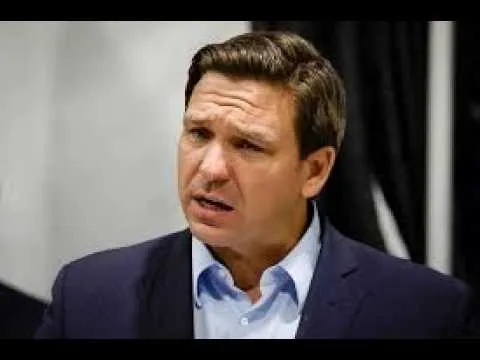
Florida’s New Voter Law Under Fire
Florida Governor Ron DeSantis recently signed a new bill into law, which critics argue could make it harder for millions of Americans to vote. This law is seen by many as a version of the national “Save Act,” a proposal aimed at changing voter registration rules. However, legal experts like Marc Elias believe this Florida law goes too far, potentially violating citizens’ rights.
The Law’s Impact on Voters
The new Florida law doesn’t just require new voters to prove their citizenship. It also raises concerns about people who have been voting for years being removed from voter rolls. These voters might need to re-register, even after being approved in the past. Elias argues that this is an unfair burden and aims to challenge the law in court.
“We’re going to show Florida again as we have before that it cannot pass these voter suppression laws without getting sued and without losing.”
A Legal Precedent is Set
Marc Elias has a history of challenging voting laws he believes suppress the vote. He states that if he successfully blocks this law in Florida, it will send a strong message to other Republican governors. They will know that attempting to pass similar restrictive voting laws could lead to lawsuits and legal defeats. Elias also points out that taxpayers might end up paying for legal fees when these laws are overturned.
The Motivation Behind Restrictive Laws
A key question is why political leaders like Donald Trump and Ron DeSantis push for laws that might also affect their own party’s voters. Elias suggests that for figures like Trump, the goal might be to control election outcomes rather than simply winning votes fairly. He believes Trump may not care if his actions alienate some Republican voters, as his focus is on influencing the election process itself.
The discussion also touches on the idea of political invincibility. Some Republican leaders might feel immune to voter backlash, believing they can treat voters poorly and still maintain support. This attitude, according to Elias, is a dangerous delusion that could have serious consequences for democracy.
Concerns Over Political Strategy
Elias draws a parallel between Trump’s approach and that of other Republican officials. He argues that Trump often surrounds himself with people who tell him what he wants to hear, rather than offering honest advice. This can lead to decisions that are not based on sound political strategy or the well-being of voters. The concern is that this pattern could lead to more extreme actions, especially as elections draw nearer.
Historical Context of Voting Rights
The debate over voter access is not new in American history. Throughout the years, various laws have been enacted that aimed to expand or restrict voting rights. For example, the Voting Rights Act of 1965 was a landmark piece of legislation designed to overcome legal barriers at the state and local levels that prevented African Americans from exercising their right to vote. However, debates about voter ID laws, registration deadlines, and voter purges have continued, often leading to legal battles.
The Broader Implications
The lawsuit against Florida’s new voting law highlights a larger trend of legal challenges to election rules across the country. As election laws become more complex, the role of legal advocacy groups like those founded by Marc Elias becomes increasingly important. These groups work to ensure that voting rights are protected and that laws are applied fairly to all citizens. The outcome of cases like this can set important precedents for future elections.
Why This Matters
This legal battle in Florida is more than just a state-level dispute; it’s a critical moment for voting rights in America. The ability of citizens to easily register and cast their ballot is fundamental to a healthy democracy. When laws are enacted that create barriers to voting, it raises questions about fairness and equal representation. The actions of Governor DeSantis and the legal response from Marc Elias’s team will have ripple effects, influencing how voting laws are debated and decided in other states. The stakes are high, as these decisions can determine who has a voice in our government.
Future Outlook
The legal fight over Florida’s voting law is likely to be a long one. Regardless of the outcome, it underscores the ongoing tension between efforts to secure election integrity and the protection of voting access. As technology and political strategies evolve, so too will the ways in which voting rights are contested. Staying informed and engaged is crucial for citizens to understand these complex issues and advocate for the voting systems they believe in.
Source: Marc Elias becomes Ron DeSantis’ NIGHTMARE (YouTube)

Related Articles

Trump’s Voting Order Faces Swift Legal Attack
A new executive order by Donald Trump restricting mail-in voting faces a swift legal challenge from lawyer Mark Elias. The lawsuit argues the order is unconstitutional and aims to prevent its implementation before it can disenfranchise voters.
GOP Targets Democracy: Lawsuits Flood Ahead of Midterms
Republicans are launching a widespread legal and political offensive targeting voting rights ahead of the midterms, sparking accusations of a 'full-out assault on democracy.' Experts warn these efforts, including challenges to census data and new voting restrictions, aim to disenfranchise voters and may impact all citizens.

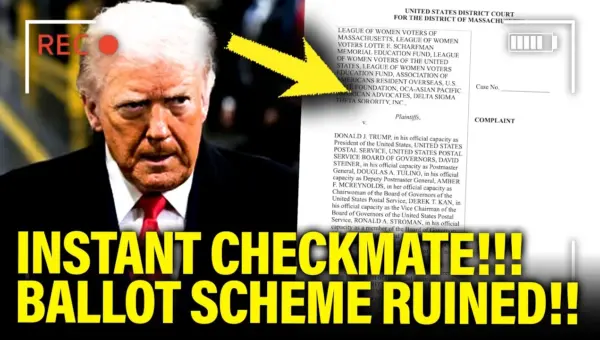
Trump’s Election Order Faces Swift Legal Challenge
A new lawsuit challenges President Trump's executive order on mail-in ballots, arguing it oversteps presidential authority and violates the Constitution. Voting rights groups filed the suit, citing concerns about federal control over elections and potential impacts on ballot delivery. This action follows historical legal challenges to similar executive orders and highlights ongoing debates about election administration.