Israel Strikes Lebanon, Iran Amid Escalating Regional Tensions
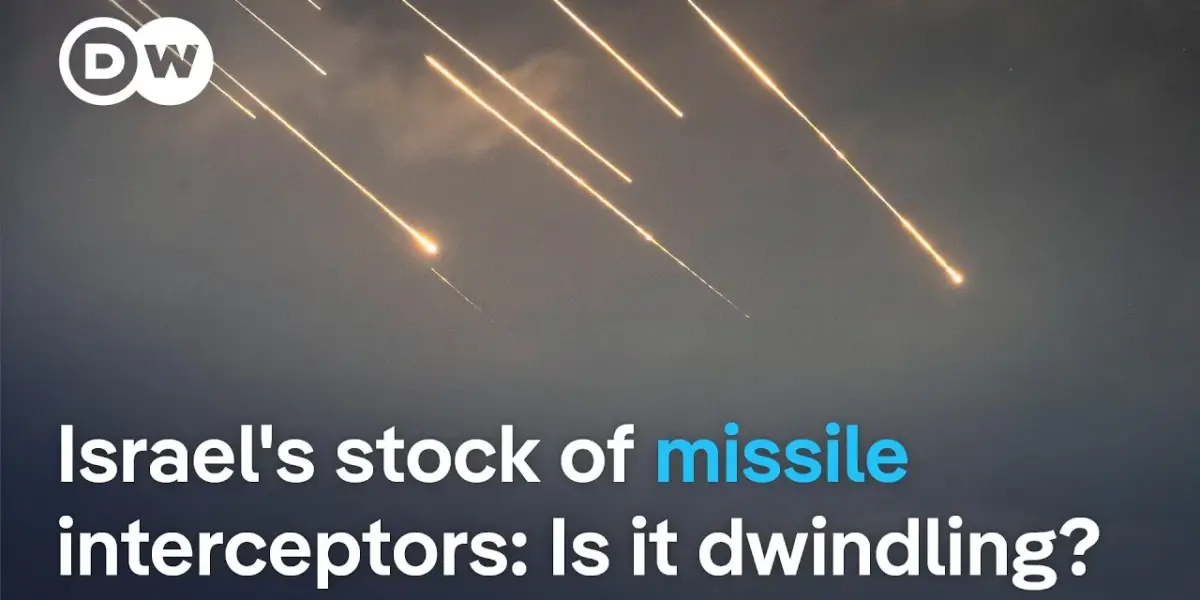
Israel has conducted airstrikes in Beirut and southern Lebanon, targeting areas linked to Hezbollah, while facing rocket fire from the group and Iran. Experts warn of increasing pressure on Israel's air defense systems and highlight the complex, interconnected nature of regional conflicts.

Beirut and Southern Lebanon Hit by Israeli Airstrikes
Early Saturday morning, the Lebanese capital of Beirut experienced at least seven Israeli airstrikes in a neighborhood identified as a stronghold for the Iranian-backed Hezbollah militia. The Israeli army has repeatedly urged residents in these areas to evacuate. Further destruction was reported south of Beirut in the city of Tyre, where the Lebanese National News Agency (NNA) documented extensive damage to homes and businesses. Tyre, usually home to 100,000 people, is now largely deserted.
Rocket Fire and Interceptions in Israel
Since hostilities began, the Israeli military states it has targeted approximately 3,500 sites in Lebanon in response to rocket fire from Hezbollah. Israel itself has faced rocket and missile attacks originating from both Hezbollah and Iran. One such missile was intercepted on the outskirts of Jerusalem, while emergency services responded to another strike in the central Israeli city of Bnei Brak, which reportedly injured one person.
Professor Simon Maben Discusses Escalation and Concerns
Simon Maben, professor of international politics at Lancaster University’s School of Global Affairs, shared his perspective on the escalating situation. He acknowledged that increased missile attacks hitting Israel, even with sophisticated air defenses like the Iron Dome, are a valid reason for concern. “Whenever a country is under bombardment and we’re having to see the use of interceptor missiles and interceptor technologies and the Iron Dome, then then there is a good reason to be worried,” Maben stated.
Pressure on Air Defense Systems
Over the past five weeks, Maben observed an increase in direct strikes on Israel, even as the overall number of attacks may be decreasing. He suggested this trend points to significant pressure on Israel’s missile defense systems, including the Iron Dome. “It hints at the possibility of a reduction in the number of anti-missile interceptors that are available,” he explained. However, Maben noted that the Israeli military maintains strict secrecy about its defense capabilities. “We don’t know exactly how many targets have been hit. The Israeli public is not at liberty to report on exact details. So, we just don’t know how many interceptors are left,” he added, making speculation difficult.
Interconnected Arenas of Conflict
Maben addressed the perception that Israel’s actions have moved from Gaza to Lebanon and Iran, creating a sense of a continuous, unending war rather than separate conflicts. He described this as a reflection of the complex geopolitics in the Middle East, where various conflict zones have become intertwined. “It paints the picture of how a number of these different arenas have become intertwined and interlinked,” Maben said.
Iran’s Role and Local Grievances
He highlighted the connections between the conflict in Gaza with Hamas, the Houthis in Yemen, and Iran’s support for these groups. The historical ties between Iran and Hezbollah, dating back to Hezbollah’s formation in the 1980s with Iranian backing, were also noted. Maben cautioned against viewing the situation solely as a result of Iran’s direction. “This is not just a consequence of a nefarious Iranian puppet master dictating everything that is happening, but there are localized grievances that are starting to emerge,” he emphasized. These local grievances shape the decisions and armed struggles within these arenas, making the situation far more nuanced than a single, overarching conflict.
Challenges for Israeli Strategists
The professor concluded that while it might seem like one long, continuous war, this perspective misses crucial details. “I think that misses some of the granularity of what is happening in these arenas,” Maben stated. This complexity presents a significant challenge for Israeli strategists attempting to manage multiple conflicts simultaneously. “That makes it an incredibly difficult and complex picture for Israeli strategists to try and fight all these wars all at once,” he observed.
Source: What's the common thread in Israel's wars in Iran and Lebanon? | DW News (YouTube)

Related Articles


Trump Threatens Iran, Shaking Global Stability
Former President Trump's aggressive Easter Sunday warning to Iran has ignited global concerns, highlighting a volatile intersection of politics, religion, and foreign policy. The analysis explores the motivations behind such rhetoric, the deep divisions within American society, and the potential for severe economic and geopolitical repercussions worldwide.

Trump’s Rhetoric Fuels Iran Tensions, Raises War Crime Alarms
Former President Donald Trump's aggressive Easter weekend social media posts directed at Iran have sparked international concern. His threats of military action and ultimatums, coupled with conflicting narratives about military engagements, have raised alarms about potential war crimes and a dangerous escalation of conflict. Critics accuse both Trump and segments of the media of downplaying the severity of his rhetoric.


Trump Threatens Iran: “Open Strait or Live in Hell”
President Trump issued a severe warning to Iran, threatening "hell" if the Strait of Hormuz is not reopened, while U.S. forces successfully rescued a downed airman. Experts suggest potential escalation and regional realignments are unfolding.