Trump Vanishes Amidst Iran Crisis, Health Fears Mount
President Trump's sudden absence from public view during an international crisis has fueled speculation. Amidst concerns over his health and Iran's growing influence in the Strait of Hormuz, questions linger about his whereabouts and the administration's handling of critical events.

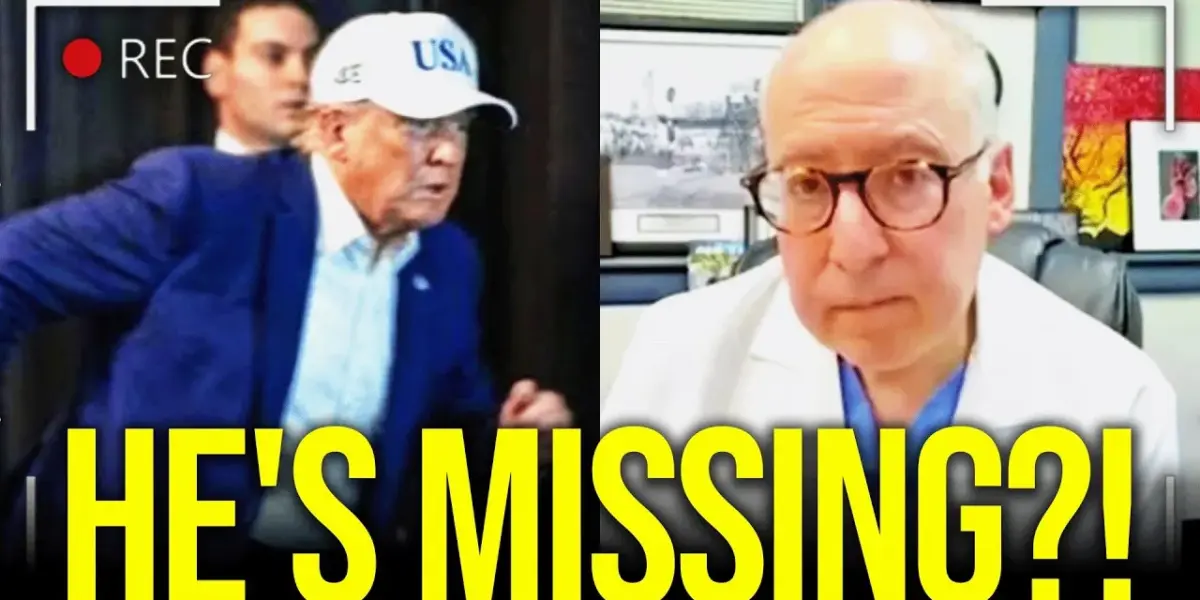
Trump Vanishes Amidst Iran Crisis, Health Fears Mount
In a time of international tension, President Donald Trump’s sudden absence from public view has sparked widespread speculation and concern. While Iran shot down two American combat planes, leaving one service member missing, the White House declared an unusually early end to the President’s public schedule. This unexpected silence, coupled with ongoing discussions about his health, has created a confusing and worrying situation for many.
Questions Surround President’s Whereabouts
The White House’s decision to call a “lid” on all presidential appearances by 11:00 a.m. Eastern Time meant that Trump was not expected to be seen for the rest of the day. This move came as reports circulated online suggesting the President might have been taken to Walter Reed National Military Medical Center. Trump’s spokesman, Steven Chung, quickly denied these rumors, stating that the President was working non-stop at the White House and Oval Office over the Easter weekend.
However, the lack of public appearances fueled further questions, especially since there had been no formal news briefing regarding the missing U.S. airman in Iran. This absence was noted by journalists and observers, some of whom pointed out the early hour at which the lid was called, suggesting it was unusually soon for a President to be out of sight for the entire day.
Health Concerns Add to the Mystery
Adding to the unease, doctors have publicly discussed concerns about Trump’s health. Reports and tweets from medical professionals highlighted a rash on his neck and hands, as well as swollen ankles. Dr. Vin Gupta noted that the White House medical team had previously misidentified a CT scan as an MRI, suggesting a lack of transparency. The administration’s handling of these health matters, often described as dancing around the issue, has only seemed to worsen public suspicion.
One specific point of discussion involved a letter from the White House doctor about a “preventative skin treatment” for a rash on the President’s neck. Dr. Jonathan Reiner pointed out odd phrasing in the letter, suggesting it might not have been written by the President’s own doctor. He noted that such treatments, like topical fluorouracil, are commonly used for precancerous skin lesions. The secrecy surrounding what many believe to be a common and treatable condition has raised eyebrows, especially during a critical international event.
The Strait of Hormuz: A New Flashpoint
The international crisis involving Iran and the Strait of Hormuz is a significant backdrop to these events. Iran’s actions, including shooting down U.S. drones and planes, have created a dangerous situation. The U.S. faces the challenge of responding without escalating the conflict further, especially with one service member still missing. Intelligence reports suggest that Iran may actually gain regional influence from this conflict due to its control over the Strait of Hormuz.
The Strait of Hormuz is a vital waterway for global oil transport. Iran’s ability to threaten or block passage through this strait gives it significant leverage over the U.S. and other countries. This situation has led to concerns about potential oil price shocks, with some predicting that a delay in supply cuts will eventually lead to a sharp increase in prices. The U.S. military is stronger than Iran’s, but Iran is using asymmetric tactics, including disinformation and controlling strategic waterways, to exert power.
Mission Inversion and Strategic Setbacks
The current situation in the Middle East is being described by some as “mission inversion.” This refers to a scenario where the original goals of a military or foreign policy mission become so muddled or poorly executed that the new mission becomes simply trying to fix the mess created by the initial actions. The focus on the Strait of Hormuz, and the potential for Iran to gain influence, is seen as a result of such a situation.
The narrative emerging is that instead of achieving clear objectives, the U.S. is now dealing with the unintended consequences of its actions. This includes Iran solidifying its regional power and potentially using the Strait of Hormuz as a tool for further influence and revenue. The lack of clear communication and the President’s absence during this critical time only add to the uncertainty.
Public Reaction and Calls for Clarity
Amidst the confusion, figures like conspiracy theorist Alex Jones have even commented on Trump’s perceived decline, urging prayers for him and suggesting he needs time off. This highlights the widespread concern, even from unexpected sources, about the President’s well-being and leadership during a crisis. The lack of information about the missing service member is particularly troubling, as many believe finding and securing their safe return should be the top priority.
The situation underscores the need for clear communication from the White House, especially when national security and the well-being of U.S. service members are at stake. The combination of international conflict, questions about presidential health, and strategic setbacks presents a complex challenge for the nation.
Source: Trump Goes MISSING As Doctor Sounds Alarm (YouTube)

Related Articles


Trump Threatens Iran, Shaking Global Stability
Former President Trump's aggressive Easter Sunday warning to Iran has ignited global concerns, highlighting a volatile intersection of politics, religion, and foreign policy. The analysis explores the motivations behind such rhetoric, the deep divisions within American society, and the potential for severe economic and geopolitical repercussions worldwide.
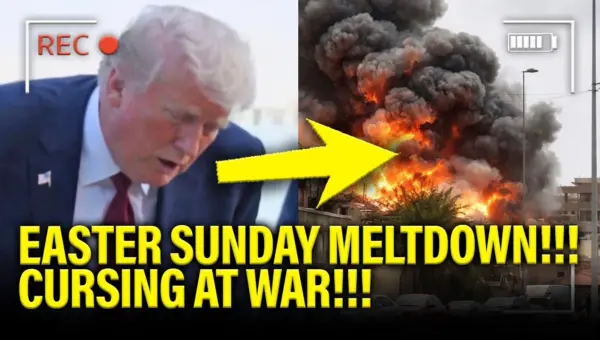
Trump’s Rhetoric Fuels Iran Tensions, Raises War Crime Alarms
Former President Donald Trump's aggressive Easter weekend social media posts directed at Iran have sparked international concern. His threats of military action and ultimatums, coupled with conflicting narratives about military engagements, have raised alarms about potential war crimes and a dangerous escalation of conflict. Critics accuse both Trump and segments of the media of downplaying the severity of his rhetoric.

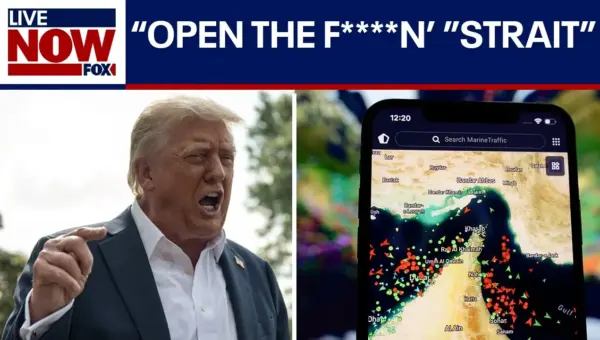
Trump Threatens Iran: “Open Strait or Live in Hell”
President Trump issued a severe warning to Iran, threatening "hell" if the Strait of Hormuz is not reopened, while U.S. forces successfully rescued a downed airman. Experts suggest potential escalation and regional realignments are unfolding.