US Faces Iran Strategy Void Amid Escalating Tensions
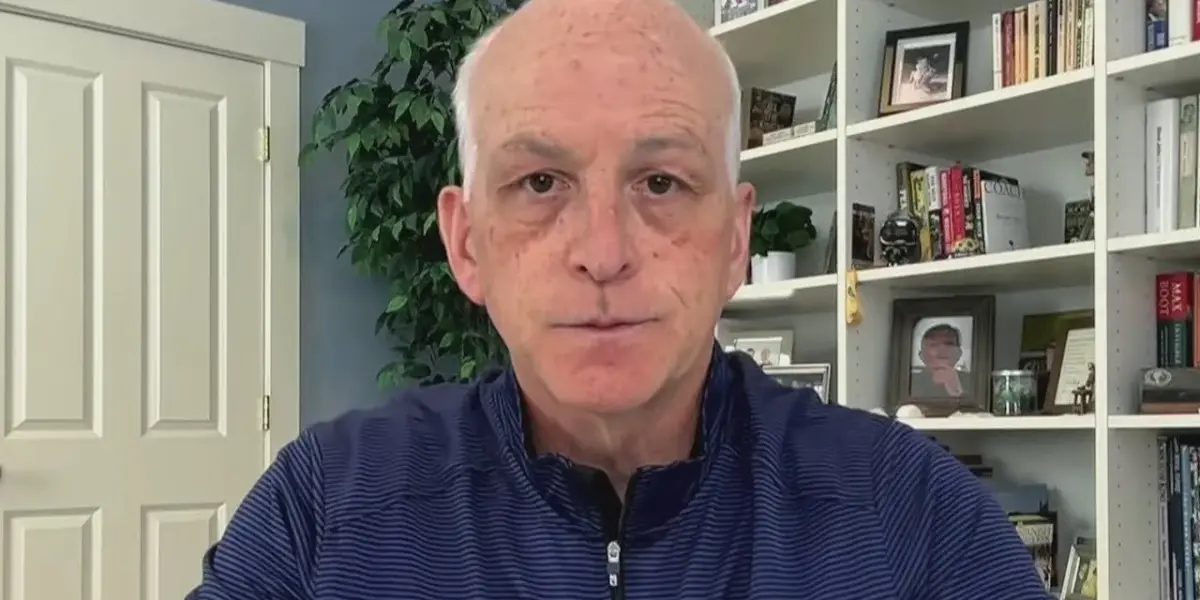
US Congressman Adam Smith expressed concern over the lack of specific military strategy against Iran, despite ongoing bombing campaigns. The ambiguity raises questions about effectiveness and potential escalation in the region.

US Faces Iran Strategy Void Amid Escalating Tensions
The United States faces a critical lack of clear strategy regarding Iran, even as tensions rise and military actions continue. Congressman Adam Smith, the ranking member on the House Armed Services Committee, voiced concerns about the non-specific nature of US threats against Iran. This ambiguity complicates efforts to influence Iran’s behavior and achieve US objectives in the region.
Ambiguous Threats and Military Action
President Trump has made threats against Iran, but these have been vague. For over five weeks, the US has been bombing Iran. The President has hinted at attacking Iran’s oil infrastructure and civilian targets. However, no specific details have been provided about these potential actions. This lack of clarity makes it difficult to predict the impact of these threats on Iran’s decision-making.
Asymmetrical Warfare and High Stakes
The conflict with Iran presents an asymmetrical challenge for the US. Iran’s goal is to survive and inflict damage, a simpler objective. In contrast, the US aims to change Iran’s regime, a much more difficult task. Congressman Smith believes the President needs to clearly define military actions that could force such a change. The effectiveness of military power in achieving this goal remains uncertain.
Search and Rescue Mission Support
The House Armed Services Committee has been briefed on the status of a missing US airman. The committee is committed to supporting the military’s search and rescue efforts. The US military is highly trained for such missions, and there is confidence in their ability to succeed. The committee aims to stay informed and provide assistance where possible.
Upcoming Testimony from Secretary of Defense
Secretary of Defense Pete Hegseth is expected to testify before the House Armed Services Committee soon. Congressman Smith outlined key areas he wants to discuss. First, he wants to understand the future of the Iran conflict and its impact on the Middle East. Second, he questions the realism of a proposed 50% increase in the defense budget. This request comes at a time of significant national debt and competing spending priorities.
Modernization and Pentagon Reform
The committee also plans to discuss the modernization of the military and acquisition reform with Secretary Hegseth. The Pentagon needs to innovate and scale up its capabilities faster. This is particularly important given the need to replace equipment lost due to ongoing military operations. The need for faster adaptation and procurement is highlighted by the current operational demands.
Global Impact
The ongoing uncertainty surrounding US policy towards Iran has broader implications. A clear and consistent strategy is essential for regional stability. Ambiguous threats can lead to miscalculation by all parties involved. This can increase the risk of unintended escalation. The economic impact of potential attacks on oil infrastructure could also affect global energy markets.
Historical Context
The current tensions with Iran have roots in decades of complex relations. Past incidents and diplomatic efforts have shaped the current dynamic. The US has historically sought to counter Iran’s regional influence. Iran, in turn, has pursued policies aimed at asserting its own power and deterring external intervention. This history of mistrust and strategic competition continues to influence present-day actions.
Economic Leverage
Economic tools, such as sanctions, have been a key part of US policy towards Iran. However, the effectiveness of these measures depends on their specific application and international cooperation. The potential disruption of oil routes and resources is a significant economic factor in the region. Any military action could have far-reaching consequences for global trade and energy security.
Shifting Regional Balances
The situation with Iran is a major factor in the complex balance of power in the Middle East. Regional alliances and rivalries are constantly shifting. US policy decisions have a direct impact on these dynamics. A clear strategic direction is needed to manage these relationships and prevent further instability.
Future Scenarios
Several future scenarios are possible. The US could develop a more specific and effective military strategy. Diplomacy could lead to de-escalation and a new agreement. Alternatively, continued ambiguity and military action could lead to further escalation. The most likely outcome depends on the specific policy choices made by the US and the reactions of Iran and its allies.
Source: Lack of specifics in Iran mission concerns Rep. Smith | NewsNation Live (YouTube)

Related Articles
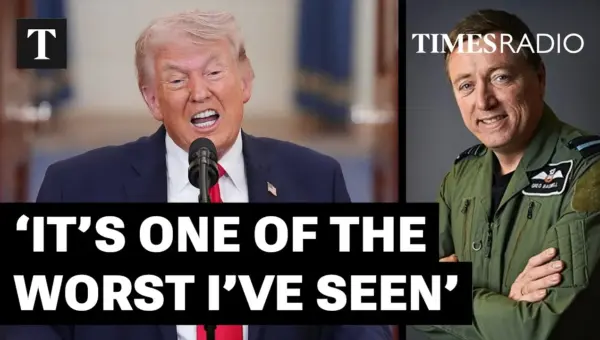
Trump’s Iran Threat: ‘Not Sane Messaging,’ Says Ex-Air Marshal
A U.S. airman was rescued after his F-15 jet was shot down over Iran, a mission President Trump lauded. However, Trump's subsequent aggressive threats towards Iran have drawn sharp criticism from former Air Marshal Greg Bagwell, who called the messaging 'not sane.' The operation highlighted the risks involved and raised questions about Iran's capabilities.

Iran War Funding Sparks Congress Clash, Threatens Global Economy
Representative Adam Smith criticizes the administration's costly Iran war strategy, questioning its effectiveness and fiscal responsibility. A major clash is emerging in Congress over $1.5 trillion in proposed war funding, with lawmakers debating authorization versus appropriation. The conflict risks further global economic instability.
Trump Threatens Ground Troops Amid Iran Tensions
President Trump has not ruled out sending ground troops into Iran if a deal isn't reached, signaling a potential escalation amid rising U.S.-Iran tensions. This comes after a U.S. airman was rescued following a jet downing. The President also indicated no infrastructure targets are off the table.