Ex-Police Chief: Shoplifting ‘Almost Decriminalised’ in UK
Former Met Police Commissioner Andy Trotter warns that shoplifting and antisocial behavior have become "almost decriminalised" in the UK. He highlights the daily impact on businesses and public confidence, calling for urgent action. Experts discuss technological solutions and the need for greater police and justice system investment to combat rising crime.

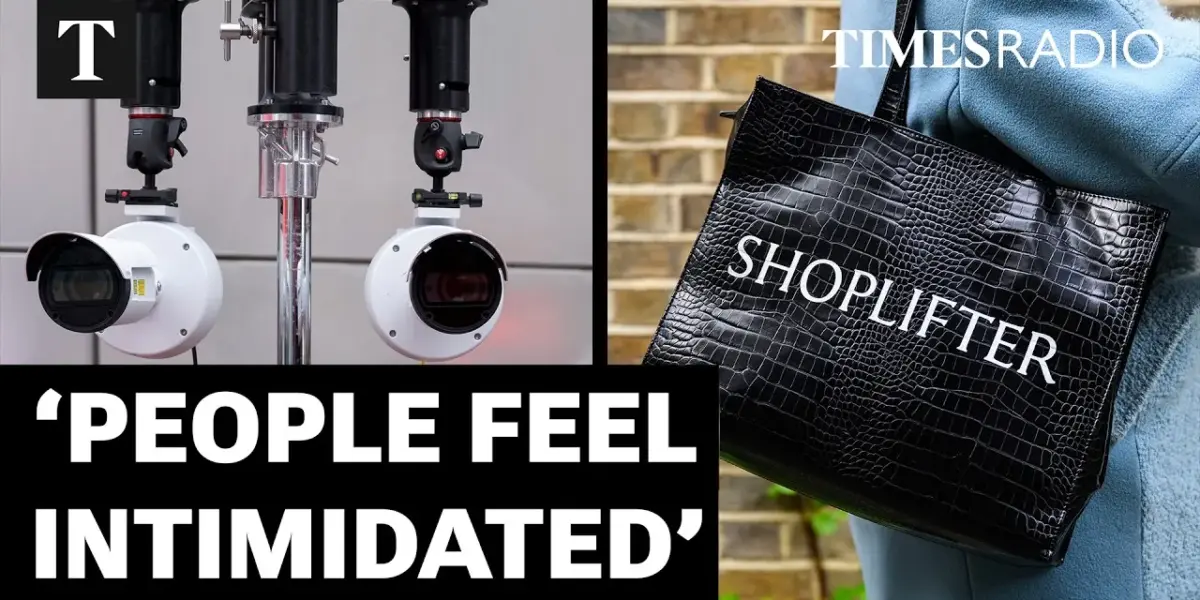
Shoplifting Crisis Grips UK Retailers, Former Police Leader Warns
Shoplifting and antisocial behavior are so widespread they feel “almost decriminalised,” according to a former senior police official. Andy Trotter, ex-deputy assistant commissioner of the Metropolitan Police, voiced deep concern over rising shoplifting and public disorder. He stated that these daily offenses undermine public confidence and make people afraid to come forward as witnesses. The issue has intensified, with many seeing little response from authorities, despite police being busy with other serious matters. “This is a fundamental issue that’s got to be addressed in so many ways,” Trotter explained. “It gnaws away at our confidence in our everyday life.”
Retailers Face Daily Intimidation and Theft
The comments come amid growing pressure from the retail sector. Retailers report that shoplifting and aggressive behavior are becoming commonplace. These incidents not only lead to financial losses but also create a hostile environment for staff. John Prenagghast, founder of Retail AI, a company focused on retail security technology, highlighted the daily confrontations faced by shop workers. He described how security staff are often put in dangerous situations, with some experiencing repeated injuries while trying to prevent theft. “The biggest problems are this confrontation that staff have to go through,” Prenagghast noted. His company develops AI systems that detect suspicious behavior patterns, aiming to alert staff before a theft occurs.
Technology Offers New Deterrents
Prenagghast’s company uses artificial intelligence to monitor store activity. Their systems analyze movement and behavior patterns, not individual people, to identify potential thefts. The AI can detect suspicious actions within seconds. When it flags a potential incident, it triggers an alert through the store’s audio system, often by subtly lowering music. This alerts staff to a possible theft in progress. “This is the way we look at it here,” Prenagghast said. “The shoplifting is endemic, it’s widespread. But it’s the people you don’t expect.” He believes that if potential offenders think they will be immediately caught, they are more likely to put items back. This technology aims to deter opportunistic theft by creating a sense of immediate detection.
Calls for Stronger Powers and Police Investment
The discussion also touched on proposals for security staff to have greater powers, such as carrying tasers or pepper spray, similar to practices in other countries. While acknowledging the need for legislation, Trotter agreed that the role of security guards needs re-evaluation. He recalled a time when store detectives commonly made arrests. However, he also recognized that today’s thieves can be more violent, putting security guards at risk. Trotter emphasized the need for increased police investment to tackle the rising tide of crime and antisocial behavior. He pointed to the impact of police funding cuts in 2010, which have left the service struggling. “There must be more investment in policing,” he urged. “There is a real challenge here.”
Justice System Overload Hinders Response
Both experts agreed that the wider criminal justice system is struggling to cope. Trotter explained that a lack of resources affects everything from police custody suites to the courts and the Crown Prosecution Service (CPS). This overload makes it difficult to process even minor offenses efficiently. He recalled how shoplifting cases could be resolved within 24 hours in the past, a speed now impossible due to court closures and systemic delays. “We’ve made life very, very difficult to do those fundamental things for frontline officers,” Trotter stated. He believes lessons from past events, like the 2011 riots, show that swift justice can be effective in quelling public disorder.
Addressing a Societal Problem
The conversation also addressed the perception that the issue is linked to ethnicity or political administration. Trotter dismissed this, stating that shoplifting and antisocial behavior are national problems affecting all communities, regardless of their ethnic makeup. He stressed that families from ethnic minority backgrounds, like all others, desire safety and security. The presenter added that many shop workers on the front lines are themselves from ethnic minority backgrounds and feel frightened by the current situation. Ultimately, tackling the problem requires a comprehensive approach. This includes effective policing, efficient justice systems, technological solutions, and addressing societal issues like parenting. “This is a society-wide problem,” the presenter concluded.
Looking Ahead: A Multifaceted Solution
The widespread feeling that offenses like shoplifting are not being taken seriously poses a significant challenge to public trust and safety. As retail crime continues to impact businesses and communities, pressure mounts for effective solutions. The debate over stronger deterrents, police resources, and the efficiency of the justice system is likely to intensify. Observers will be watching to see if increased investment and technological advancements can help restore a sense of security and order in public spaces.
Source: Shoplifting Has Become 'Almost Decriminalised' | Former Met Police Commissioner (YouTube)

Related Articles


M&S Demands Action as Retail Crime Surges After Mob Attack
Marks & Spencer is demanding stronger policing and official action against retail crime after a mob stormed one of its stores in Clapham. The company's retail boss highlighted the daily violence faced by 1,600 workers and called for better use of technology to track offenders.


Tiger Woods Crash: DUI Allegations Surface
New bodycam footage shows Tiger Woods after his 2021 car crash, detailing his initial interactions with police. The video provides a factual look at the scene, focusing on his condition and the assessment by first responders. This release brings attention back to the circumstances of the accident.


Youth “Feral” Behavior Sparks Clapham Unrest, Fueled by Social Media
Large groups of youths, organized via social media "link ups," caused significant disruption in Clapham, London, over the Easter weekend. The "feral" behavior included ransacking a store and intimidating residents, raising concerns about public safety and the influence of online trends on youth conduct.