Trump Demands Allies Fight, Offers No Aid
Donald Trump's conflicting statements on Iran and his demands for allies to secure oil routes raise questions about U.S. foreign policy. Despite claims of energy independence, rising gas prices suggest global market forces still dominate.

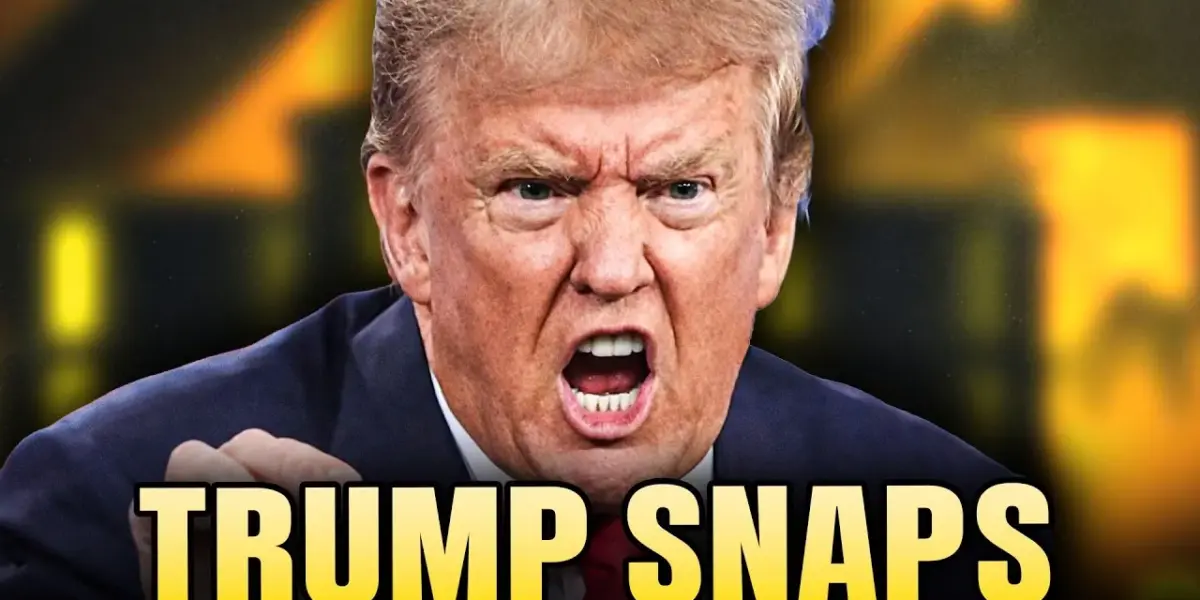
Trump Demands Allies Fight, Offers No Aid
Donald Trump recently made a bold statement, claiming Iran requested a ceasefire. He declared that only Iran’s complete destruction would satisfy him, yet also suggested a deal was already being made. This conflicting message was quickly denied by Iran, which stated that Trump’s claims were untrue. It’s unclear who to believe, but the situation highlights uncertainty in international relations.
Allies Face Pressure Amidst Oil Crisis
Before this, Trump expressed frustration with allies who have stayed out of the conflict involving Iran. He posted on Truth Social, suggesting countries like the United Kingdom, struggling to get jet fuel through the Strait of Hormuz, should buy oil from the U.S. He urged them to develop more courage and secure the strait themselves, implying the U.S. would no longer offer support.
“Go to the straight and just take it. It’s certainly Oh, sorry. You’ll have to start learning how to fight for yourself. The USA won’t be there to help you anymore.”
Trump seemed to imply that allies had not supported the U.S. in the past and now needed to handle their own problems. He suggested that Iran had already been weakened, making the task of securing oil supplies easier for other nations. This approach suggests a potential withdrawal of U.S. support from a volatile region.
Questions Arise Over U.S. Energy Independence
Trump has repeatedly stated that the U.S. does not need oil from the Strait of Hormuz because it has plenty of its own. However, this claim is questioned by the current rise in U.S. gas prices, which are averaging over $4 a gallon. This raises a contradiction: if domestic supply is abundant, why are prices increasing?
Oil prices are influenced by the global market, not just regional supply. If the U.S. were to withdraw support and the Strait of Hormuz remained unstable, it would likely not lower gas prices for Americans. Similarly, if allies buy oil from the U.S. at global market rates, it doesn’t offer them a price advantage.
Implications for Global Stability and Domestic Policy
The situation suggests that any increased oil sales from the U.S. might benefit oil companies but not necessarily the average consumer. The transcript also touches on the potential for increased pollution and exploitation of land, with tax revenues possibly funding further military actions. This points to a complex web of economic, environmental, and foreign policy considerations.
Trump’s stance appears to be one of disengagement, leaving allies to manage the consequences of a conflict he helped create. This strategy could leave a significant void in regional security and force other nations to take on greater responsibility for maintaining global trade routes. The U.S. response, or lack thereof, will have lasting effects on international cooperation and the stability of energy markets.
Why This Matters
This situation is important because it highlights critical questions about U.S. foreign policy and its impact on global stability and the economy. When a major power like the U.S. signals a potential withdrawal from international commitments, it creates uncertainty for allies and adversaries alike. The Strait of Hormuz is a vital waterway for global oil transport, and any disruption there can have far-reaching economic consequences, including higher gas prices for consumers worldwide.
Furthermore, the disconnect between claims of energy independence and rising domestic prices suggests a need for clearer communication and policy. It also brings to light the complex relationship between national security, foreign intervention, and economic well-being. How these issues are managed will shape international relations and the daily lives of people around the globe.
Historical Context
The Strait of Hormuz has historically been a point of tension and a critical chokepoint for global oil supplies. Throughout the 1980s, during the Iran-Iraq War, naval skirmishes and attacks on oil tankers occurred in the strait, leading to international efforts to ensure safe passage. More recently, tensions between Iran and the U.S., particularly during the Trump administration, have often involved the strait, with threats of blockade and increased naval presence.
The concept of U.S. energy independence has been a recurring theme in American politics for decades. While domestic production has increased significantly in recent years, global market forces mean that U.S. consumers are still affected by international events. This history provides a backdrop to understanding the current dynamics and the potential consequences of shifts in U.S. policy.
Future Outlook
The future outlook remains uncertain, depending heavily on diplomatic efforts and geopolitical developments. If the U.S. adopts a more isolationist stance, allies may need to form stronger regional security pacts. This could lead to a more fragmented global order where countries rely more on self-interest and collective defense. The impact on oil prices will likely continue to be a sensitive issue for consumers, making energy policy a central concern for governments worldwide.
The effectiveness of international cooperation in managing global trade routes and resolving conflicts will be tested. Whether a path toward de-escalation and stability can be found, or if the region will face prolonged instability, remains to be seen. The decisions made now will shape the economic and political landscape for years to come.
Source: Trump SNAPS At Allies Amid Oil Crisis (YouTube)

Related Articles
China Maps Seabed, Eyes Hawaii in Naval Power Play
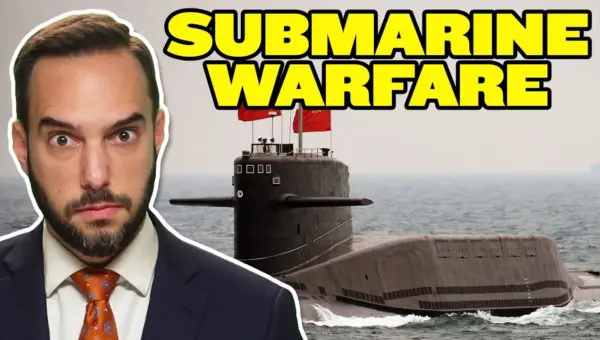
China's extensive seabed mapping in the Pacific, particularly around strategic areas like Guam and Hawaii, is raising concerns about its preparation for submarine warfare. This effort, often disguised as scientific research, aims to enhance China's naval capabilities and challenge US dominance in the region.
Russia Faces Last-Ditch Offensive, Internal Cracks
Russia may be launching a final major offensive in Ukraine as it faces mounting internal pressures. Analysts suggest this push is a last resort before significant manpower and financial issues arise. Meanwhile, increasing domestic information control and official criticism highlight growing cracks within the Russian establishment.


Trump Threatens Iran, Shaking Global Stability
Former President Trump's aggressive Easter Sunday warning to Iran has ignited global concerns, highlighting a volatile intersection of politics, religion, and foreign policy. The analysis explores the motivations behind such rhetoric, the deep divisions within American society, and the potential for severe economic and geopolitical repercussions worldwide.