SCOTUS Ruling Fuels Debate on Conversion Therapy Bans
The Supreme Court has overturned Colorado's ban on conversion therapy for minors, sparking widespread concern. Author Garrard Conley, who experienced the practice, warns it "thrives on the slow disintegration of the soul." Statistics show conversion therapy continues to harm LGBTQ+ youth, with a significant percentage reporting suicide attempts.

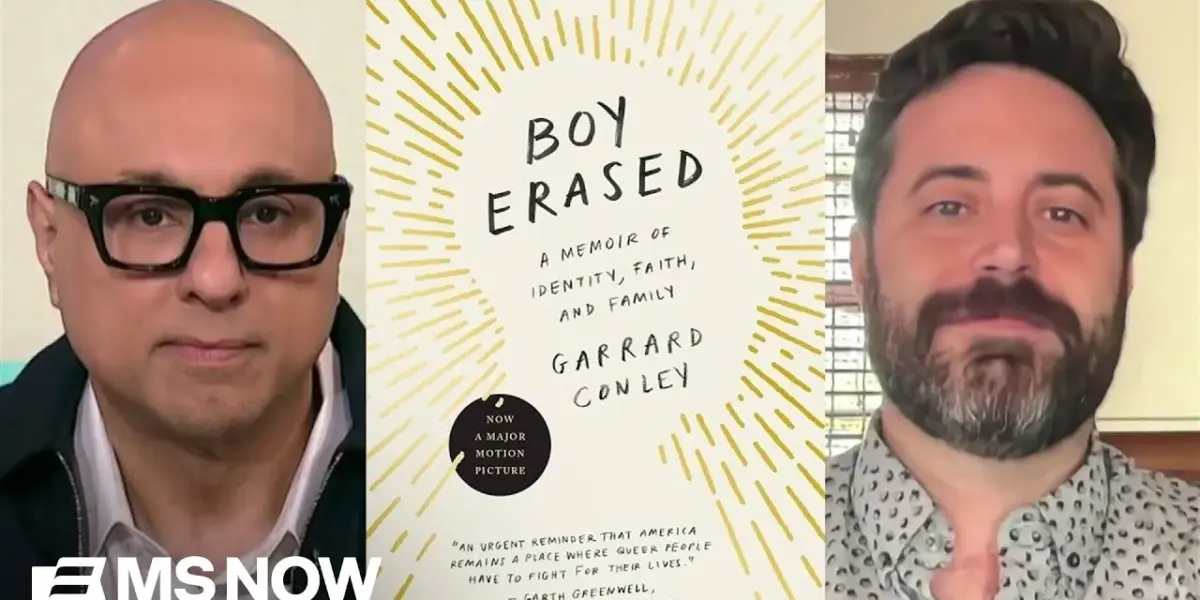
Supreme Court Strikes Down Colorado Conversion Therapy Ban
The Supreme Court recently delivered a significant blow to LGBTQ+ rights by overturning a Colorado law that prohibited so-called conversion therapy for minors. This practice involves therapists attempting to change a young person’s sexual orientation or gender identity, essentially trying to force LGBTQ+ kids to be straight or cisgender. The case was brought forward by Kaylee Childs, a Christian therapist in Colorado, who argued the state’s ban infringed upon her First Amendment rights.
Dissenting Voices Warn of Dangerous Precedent
Justice Ketanji Brown Jackson, in her lone dissenting opinion, strongly criticized the ruling. She warned that the decision “opens a dangerous can of worms” and could undermine states’ abilities to regulate medical care. Jackson also stated the ruling “extends the Constitution into uncharted territory in an utterly irrational fashion” and risks “grave harm to Americans’ health and well-being.” This perspective highlights concerns that the court’s decision may have far-reaching and negative consequences for public health and individual rights.
The Alarming Reality of Conversion Therapy
Conversion therapy remains a significant issue, despite being widely discredited by major medical and mental health organizations. According to The Trevor Project, a non-profit suicide prevention organization for LGBTQ+ youth, over 1,320 conversion therapy practitioners were active across 48 states and the District of Columbia in 2023. Statistics reveal that 15% of LGBTQ+ youth have experienced or been threatened with conversion therapy. More alarmingly, a 2024 survey by The Trevor Project found that 35% of those exposed to conversion therapy in the past year reported attempting suicide. These figures underscore the profound harm associated with these practices.
Garrard Conley: A Personal Account of Harm
Garrard Conley, author of the acclaimed 2016 memoir Boy Erased, shared his personal experiences with conversion therapy. His book details his time at a conversion therapy center called Love in Action. Conley described the relentless psychological manipulation, shame, and forced self-hatred he endured. The memoir uses flashbacks to explore his deeply religious upbringing as the son of devout Baptist missionaries and his struggle to reconcile his sexuality with his faith. His journey was further complicated when he was outed to his parents by someone who had assaulted him.
“Love in action was telling me on a daily basis that a loss of self meant a gain in virtue. And a gain in virtue meant I was drawing closer to God and therefore closer to my heavenly self. You became all telling with no showing. Not the extraordinary extra, but the stock player in a harp and halo bit. I came to therapy thinking that my sexuality didn’t matter, but it turned out that every part of my personality was intimately connected. Cutting one piece, damaged the rest.”
Forgiveness, Faith, and the Fight for Identity
Despite the trauma, Conley’s story is also one of remarkable resilience, forgiveness, and a nuanced understanding of faith. He has found a way to integrate spirituality back into his life, emphasizing unconditional love. Conley believes that true healing comes from embracing one’s authentic self, as created by God. He stated, “regardless of the Supreme Court’s decision, freedom of religion and free speech are being used as a shield for a shadow industry that thrives on the slow disintegration of the soul.” He added that the branding may change, but the harmful outcome for LGBTQ+ youth remains the same.
Conversion Therapy: Ideology vs. Science
Conley explained that conversion therapy often stems from a single, rigid narrative rather than scientific understanding. He noted that major medical organizations recognize the existence of LGBTQ+ people, but conversion therapy insists on a singular way of living. He pointed out that many practitioners were themselves victims of an ideology that taught them they couldn’t be who they were. Conley observed that while some may have started with good intentions, the practice often morphed into something deeply harmful, sometimes fueled by misinformation and financial gain.
“The Bible says that all people are created in God’s image, and as we have both come to realize true healing and freedom are found in being who we were divinely created to be.”
Broader Implications and Future Concerns
The Supreme Court’s ruling raises serious questions about the role of licensed professionals and the potential for harmful practices to gain legitimacy. Justice Jackson’s dissent highlighted that licensed medical professionals have historically adhered to standards of care. The court’s decision appears to loosen these restrictions, leading to uncertainty about what practices will be permissible. Conley expressed concern that this ruling allows for “quack medicine ideas” and sends a message that the existence and identity of LGBTQ+ individuals are up for debate, which he views as an attack.
Moving Forward: Protecting Vulnerable Youth
The conversation surrounding conversion therapy is complex, involving deeply held beliefs about faith, family, and identity. Conley stressed the importance of having these difficult conversations openly, rather than shutting down options for individuals. He continues to advocate for the protection of children, emphasizing that this issue is fundamentally about preventing harm. His work and personal story serve as a powerful reminder of the human cost of conversion therapy and the ongoing need for understanding and acceptance.
For anyone struggling with mental health, help is available. You can call or text 988 anytime, 24/7, or visit 988lifeline.org.
Source: Velshi Banned Book Club: ‘Boy Erased’ author Garrard Conley on SCOTUS conversion therapy ruling (YouTube)

Related Articles

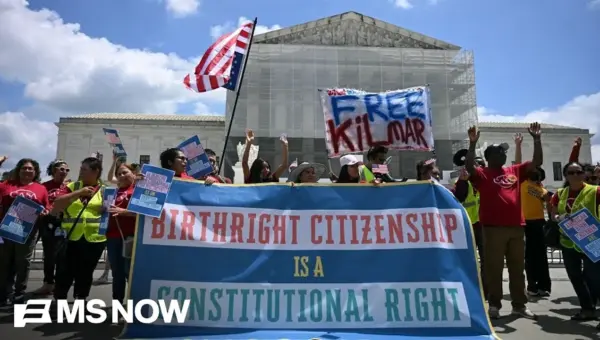
Supreme Court Weighs Birthright Citizenship, America’s Identity
The Supreme Court is examining a case that could restrict birthright citizenship for children of undocumented or temporary immigrants. This legal challenge is seen as a larger debate about America's identity and the meaning of the 14th Amendment. A ruling against birthright citizenship could impact hundreds of thousands of children annually and create widespread legal chaos.

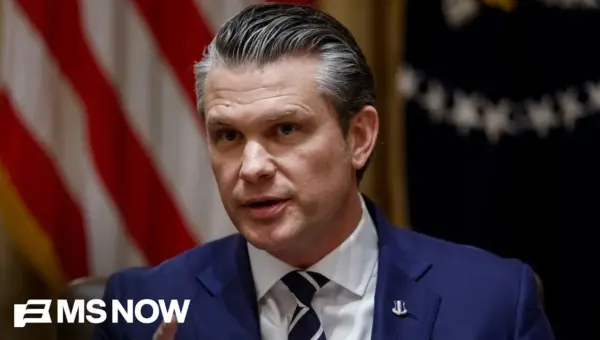
Trans Veteran Forced Out by Trump Ban Speaks Out
Transgender Navy Commander Shelley Bloomrose was forced to retire after 20 years due to the Trump administration's ban on transgender service members. She spoke out about the financial risks and the demoralizing impact of the policy, which she believes wastes talent and is driven by animus.

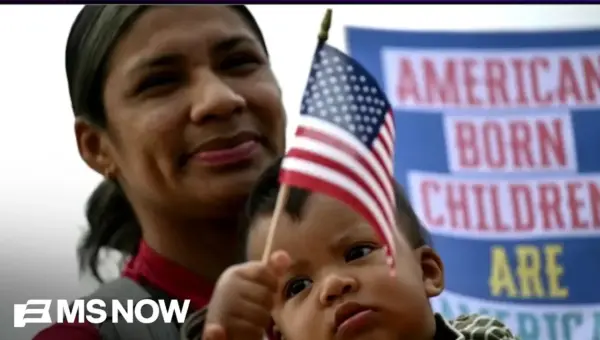
Supreme Court Weighs Birthright Citizenship: A 150-Year Precedent at Risk
The U.S. Supreme Court is reviewing a challenge to birthright citizenship, a principle enshrined in the 14th Amendment for 150 years. The Trump administration's attempt to end automatic citizenship for children born in the U.S. to non-citizen parents faced skepticism from justices. If overturned, the decision could impact millions and alter America's identity as a nation of immigrants.