Artemis Astronauts Reach Midpoint to Moon, Send Back Stunning Views
NASA's Artemis II astronauts are halfway to the Moon on a 10-day mission, sending back stunning images of Earth and the Moon. The journey is a critical step towards landing humans on the lunar surface for the first time in over 50 years, with a focus on sustainability and scientific discovery.


Artemis II Astronauts Journey Toward Moon, Capture Earth’s Beauty
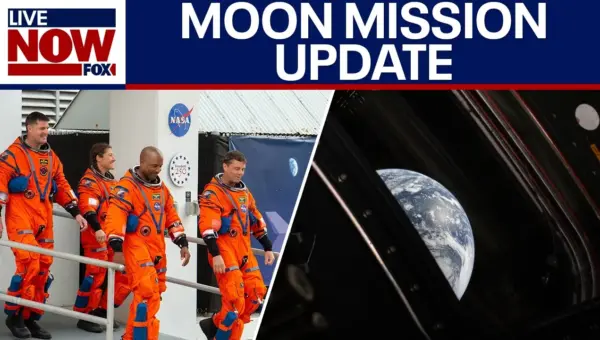
The Artemis II mission, a crucial step in NASA’s plan to return humans to the Moon, is well underway. Four astronauts are currently on a 10-day journey, marking their halfway point to the Moon. The mission, which launched successfully on a recent Wednesday evening, aims to pave the way for future lunar landings. Stunning images of Earth and the Moon are already being sent back, offering a breathtaking perspective of our planet and the vastness of space.
A Giant Leap Toward Lunar Exploration
Artemis II is more than just a flyby; it’s a vital test flight. The mission will see the crew travel farther from Earth than any humans have before. This journey is a critical precursor to Artemis IV, which plans to land astronauts on the Moon’s south pole for the first time in over 50 years. Professor Tim Glach of Stonybrook University explained the significance: “This Artemis 2 mission is a critical step to get us back to the moon to land humans on the Moon for the first time in more than 50 years.” He is now part of a NASA science team preparing for future missions, focusing on developing science plans to maximize discoveries and help astronauts identify resources like water ice.
Images That Inspire and Inform
The astronauts are capturing incredible images, offering a unique view of our home planet. Professor Glach described the profound impact of these photos: “It really puts things into perspective for me. And then, you know, this picture of the moon, you can see still how far away it is and how far the astronauts have to go to get there.” He noted details visible in the Earth images, such as auroras and city lights, and even Venus appearing as a distant dot. These visuals highlight the preciousness of Earth and the immense scale of space, reminding us how far our closest celestial neighbor truly is.
Building on Apollo’s Legacy, Aiming for Sustainability
While NASA’s Apollo missions landed on the near side of the Moon, Artemis missions are targeting the unexplored south pole. This region is believed to hold significant resources, particularly water ice hidden in craters that have never seen sunlight. “Since the Apollo missions, we’ve learned that there’s water ice buried in permanently shadowed craters that haven’t seen sunlight in billions of years,” Professor Glach stated. This water ice is a key resource for future missions, providing potential for drinking water, breathable air, and rocket fuel. Artemis is designed to be a sustainable effort, allowing humans to “live off the land” and establish a long-term presence on the Moon, a skill vital for future exploration of the solar system, including Mars.
Seeking Answers on the Lunar Surface
Beyond the immediate goals of Artemis II, future missions aim to answer fundamental scientific questions. Artemis II astronauts will take high-resolution images of the Moon’s far side under challenging lighting conditions. For Artemis IV and beyond, the focus will be on understanding lunar water ice: its form, location, and quantity. Analyzing this ice could reveal clues about the Moon’s early history and whether it was delivered by comets or formed from the solar wind interacting with the lunar surface. Returning lunar rocks will also offer insights into the formation of the Moon’s initial crust, building upon the scientific data gathered during the Apollo era.
The Journey Continues: Looking Ahead to Splashdown
The Artemis II mission is expected to conclude with a splashdown next Friday. Professor Glach emphasized the primary objective: “The most important thing, of course, is returning our astronauts safely back to Earth.” Following their safe return, he eagerly anticipates hearing the astronauts’ firsthand accounts of their experiences, their descriptions of what they saw, and their feelings during this historic journey. As the mission progresses, NASA will provide extensive coverage of the final stages, including the lunar flyby and the eventual return of the crew.
Source: NASA: Artemis astronauts halfway to the moon for lunar flyby (YouTube)

Related Articles


Artemis II: Moon Mission Continues, Honoring Apollo’s Legacy
The Artemis II mission is in its fifth day, marking a significant return to lunar exploration. Astronaut Charlie Duke honored the Apollo legacy, sending encouragement to the current crew as they entered the moon's sphere of influence. This mission is a vital step towards future lunar landings and beyond.


Artemis II Crew Shares Stunning Moon Views from Deep Space
The Artemis II crew is traveling towards the Moon, sharing stunning images and historic interviews from deep space. For the first time since 1972, humans are venturing this far, experiencing breathtaking views and preparing to photograph the Moon's far side.

Artemis II Crew Nears Moon Amidst Toilet Troubles
The Artemis II crew is nearing the Moon, but not without facing technical challenges. Issues with the spacecraft's toilet system, suspected to be caused by ice, are being actively managed. Despite this, the astronauts are preparing for a historic lunar flyby, capturing unprecedented views and conducting scientific observations.