Trump Faces Iran War Dilemma: Victory or Exit?
President Trump faces a complex challenge in Iran, with conflicting messages emerging on war aims and withdrawal timelines. Mounting domestic political pressure and growing economic concerns over oil prices are clashing with the President's personal imperative for a decisive victory, leaving analysts uncertain about the conflict's ultimate outcome.

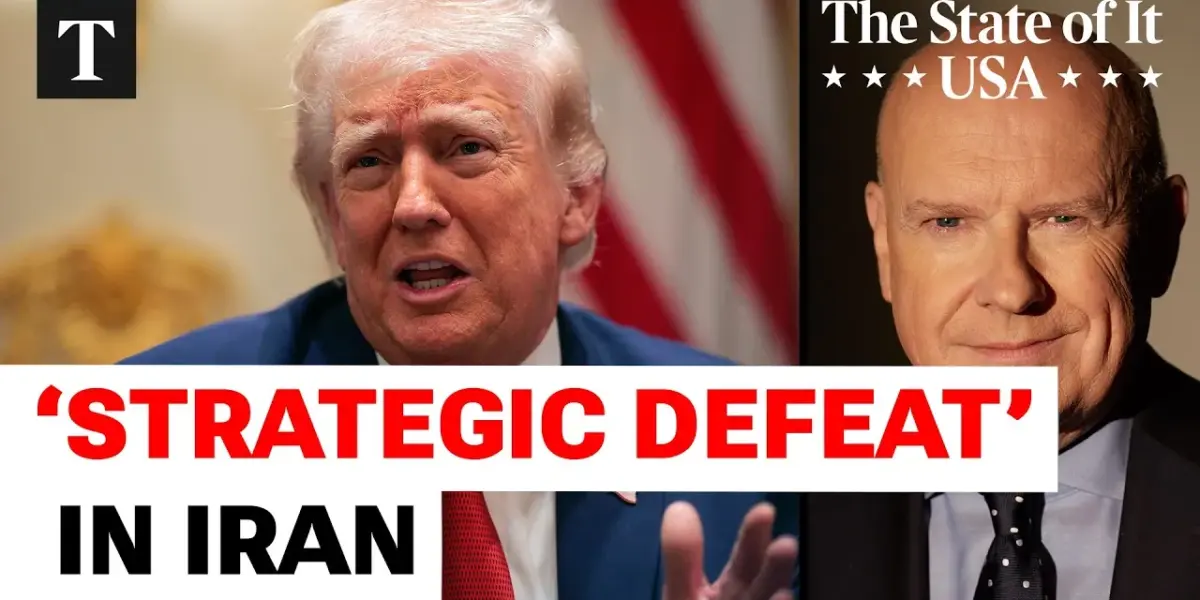
US President Navigates Complex Iran Conflict Amidst Shifting Goals
In a developing situation in Iran, President Trump appears to be grappling with a complex foreign policy challenge, leaving even his closest advisors uncertain about his ultimate strategy. The United States has been engaged in military actions targeting Iran’s missile-making facilities, with the President initially stating that a primary goal of preventing Iran from acquiring nuclear weapons had been achieved. However, the situation remains fluid, with conflicting messages emerging regarding the duration and objectives of the military engagement.
Conflicting Signals on War Aims and Duration
President Trump has recently indicated that the military operation in Iran is nearing completion, suggesting that negotiations are underway and that the goal of preventing nuclear proliferation has been met. “We have had regime change. Now, regime change was not one of the things I had as a goal. I had one goal. They will have no nuclear weapon. And that goal has been attained,” the President stated. Yet, reports from Washington suggest a more complex picture. The administration’s messaging has been described as contradictory, with statements ranging from taking control of certain islands and focusing on uranium to asserting that the operation has been a success and that the U.S. can withdraw at any time.
Adding to the confusion, the timeline for U.S. withdrawal appears to be extending. While the White House initially spoke of a four to six-week operation, President Trump has recently suggested that an additional two to three weeks may be necessary. This extension, combined with an increased U.S. military presence in the region, signals that a swift exit may not be as straightforward as initially portrayed.
Domestic Pressure Mounts as Economic Concerns Grow
The unfolding events in Iran are placing significant domestic political pressure on President Trump. Republican lawmakers and his own advisors are reportedly urging a swift resolution, concerned about the impact on public opinion and the upcoming elections. The price of oil remains a key concern, hovering around $100 a barrel. Analysts warn that prolonged conflict could lead to physical shortages in the coming weeks as oil shipments are delayed, potentially driving prices even higher and contributing to inflation. Economic indicators, including a weakening labor market and declining approval ratings, further amplify the urgency for the President to achieve a decisive outcome.
“The political pressure is enormous here to get this done.”
Some analysts suggest that President Trump may prioritize his personal legacy and historical standing over the immediate political fortunes of the Republican party. This perspective posits that he might be willing to prolong the conflict, even at the risk of electoral losses, if he believes it serves his broader objectives or allows him to claim a significant victory.
Strategic Stalemate: The Risk of a ‘Strategic Defeat’
A central strategic question revolves around how the conflict will end and whether Iran will retain control over crucial waterways. President Trump has sent mixed signals on this issue, with some statements suggesting that Iran could be left in control of the Strait of Hormuz. However, foreign policy experts widely believe that simply bombing Iran will not lead to the collapse of its regime. Instead, they warn that if Iran maintains its grip on strategic chokepoints, such as the Strait of Hormuz, which controls a significant portion of global oil supply, it could represent a “strategic defeat” for the United States.
The current U.S. military approach, focused on aerial bombing and strikes on missile facilities, is not designed to achieve regime change or fundamentally alter Iran’s regional influence. Experts emphasize that altering this outcome would likely require more extensive military involvement, potentially including ground troops, a move that would carry significant political risks domestically.
Navigating the ‘Fog of Trump’
The unpredictability of President Trump’s decision-making process has led to the term “fog of Trump” being used to describe the difficulty in discerning his true intentions. His approach to foreign policy, characterized by a desire to avoid predictability, leaves allies and adversaries alike guessing his next move. This strategy, while potentially keeping opponents off balance, also creates uncertainty about the long-term stability of the region and the effectiveness of U.S. policy.
Even within the administration, there is a lack of clarity on the President’s objectives. Some believe his ambiguity is a deliberate tactic to keep rivals guessing, while others see it as a reflection of an evolving strategy. The potential deployment of troops to new areas or the expansion of current missions could significantly escalate political pressure within the U.S. from both the public and his base.
Potential Off-Ramps and Future Uncertainty
While the prospect of a full-scale war looms, there are discussions about potential off-ramps. One possibility involves an international coalition, potentially including NATO allies, supervising the control of the Strait of Hormuz. This approach could offer a way to de-escalate tensions and ensure the free flow of global commerce without requiring a complete U.S. military victory. However, even such a settlement might not leave the United States in a position of enhanced strength.
Ultimately, the situation highlights a critical tension between the political imperative for President Trump to withdraw from the conflict quickly and his personal drive to achieve a decisive military victory. The coming weeks will be crucial in determining whether this conflict leads to a stable resolution or a strategic setback for the United States.
Source: Trump Heading For 'Strategic Defeat' In Iran | Gerard Baker & Katy Balls. (YouTube)

Related Articles

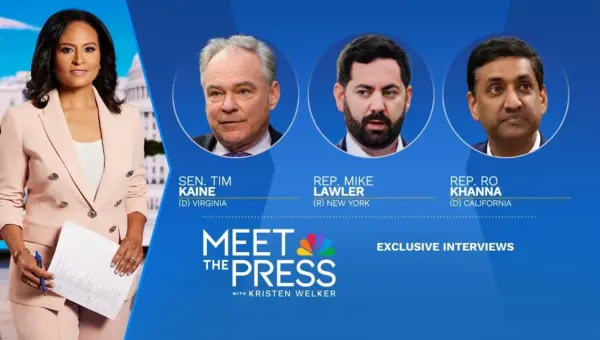
US Rescues Pilot From Iran, Trump Hints at Escalation
U.S. forces executed a daring rescue of a downed pilot from Iran, while President Trump signaled an escalation of military action against the country. The operation and the President's rhetoric sparked debate among lawmakers about the war's rationale, duration, and congressional oversight.


Trump Threatens Iran, Shaking Global Stability
Former President Trump's aggressive Easter Sunday warning to Iran has ignited global concerns, highlighting a volatile intersection of politics, religion, and foreign policy. The analysis explores the motivations behind such rhetoric, the deep divisions within American society, and the potential for severe economic and geopolitical repercussions worldwide.
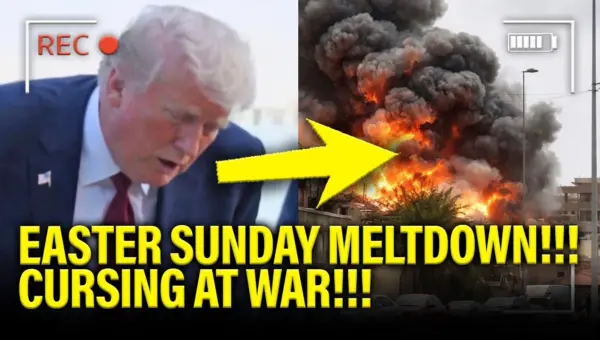
Trump’s Rhetoric Fuels Iran Tensions, Raises War Crime Alarms
Former President Donald Trump's aggressive Easter weekend social media posts directed at Iran have sparked international concern. His threats of military action and ultimatums, coupled with conflicting narratives about military engagements, have raised alarms about potential war crimes and a dangerous escalation of conflict. Critics accuse both Trump and segments of the media of downplaying the severity of his rhetoric.