Nation Targets Immigrant Families at Marine Graduations
ICE's presence at Marine Corps graduation ceremonies to apprehend family members is drawing sharp criticism. The policy requires specific IDs, potentially targeting citizens and creating immense distress for new service members. This approach sparks debate on humane immigration enforcement and family unity.


Nation Targets Immigrant Families at Marine Graduations
New policies are causing alarm for families hoping to celebrate a major milestone. At a recent US Marine Corps graduation, Immigration and Customs Enforcement (ICE) was present. Their goal was to apprehend family members attending the ceremony to honor their loved ones joining the military.
This plan, set to take place at the Marine Corps Recruit Depot in Paris Island, South Carolina, involves what officials call “increased force protection measures.” In simple terms, federal law enforcement officers will be stationed at entry points. They will check everyone’s immigration status. This means attendees must show a Real ID, a US passport, or a US birth certificate. Without these documents, people could face detention.
The concern is that not everyone, even US citizens, has these specific documents readily available. Many people may not have a Real ID yet, especially if their driver’s license hasn’t been renewed recently. It’s also uncommon for people to carry their passports or birth certificates with them daily, particularly when just traveling to an event.
This situation raises serious questions about how the policy might affect US citizens who appear to be of Hispanic descent or have darker skin. Critics worry that these individuals, despite being citizens, could be unfairly targeted and detained. They might be asked to prove their legal status on the spot. If they can’t, they could be taken into custody.
The Process of Detention
Once detained, the process for release can be lengthy and difficult. Detained individuals would need to find the required documents, or have a family member retrieve them from home and bring them to the detention facility. Even after providing the correct paperwork, release is not immediate. It can sometimes take weeks for a person to be freed.
The timing of these actions is particularly harsh. A Marine Corps graduation is a moment of immense pride. It celebrates young people dedicating themselves to serving and protecting the country. This ceremony represents patriotism and a significant step for both the recruits and the nation. Yet, the presence of ICE could turn this joyous occasion into one of heartbreak.
Imagine a recruit graduating, ready to celebrate with their family. They might look forward to a nice dinner or a family gathering. Instead, they could discover that their parents, aunts, uncles, or grandparents are nowhere to be found. They might have been detained simply for attending their child’s or grandchild’s graduation.
Why This Matters
This policy highlights a deep conflict between national security and family unity. It raises ethical questions about using a solemn military ceremony as an opportunity for immigration enforcement. The act of apprehending family members at such an event could have devastating emotional and psychological impacts on the new service members. It could also damage trust between military families and the government they are serving.
Furthermore, the requirement for specific identification documents could disproportionately affect certain communities. It places a burden on individuals to carry proof of citizenship or legal status at all times. This can be challenging for many, regardless of their background.
Historical Context and Trends
Immigration enforcement has seen various approaches over different administrations. Historically, the focus has often been on border security and deporting individuals with criminal records. However, recent years have seen a shift towards broader enforcement, including actions within the interior of the country.
The idea of using federal facilities or events for immigration sweeps is not entirely new. However, applying this to a military graduation ceremony is seen by many as a particularly sensitive and controversial tactic. It brings immigration policy directly into the lives of those serving the nation.
Implications and Future Outlook
The implications of this policy are far-reaching. It could discourage individuals from immigrating or seeking legal status if they fear such aggressive enforcement. It also raises concerns about the morale and well-being of military recruits whose families are targeted.
Looking ahead, this event could spark further debate about the role of ICE and the methods used for immigration enforcement. It may lead to calls for clearer guidelines and more humane practices. The public reaction to such actions could influence future policy decisions. The balance between enforcing immigration laws and respecting family ties remains a critical issue.
Ultimately, the decision to have ICE present at Marine Corps graduations reflects a specific approach to immigration enforcement. It prioritizes apprehension during a time that many believe should be focused solely on honoring new service members and their families.
Source: ICE Targeting Families At Marine Graduations (YouTube)

Related Articles


Trump Threatens Iran: “Open Strait or Live in Hell”
President Trump issued a severe warning to Iran, threatening "hell" if the Strait of Hormuz is not reopened, while U.S. forces successfully rescued a downed airman. Experts suggest potential escalation and regional realignments are unfolding.

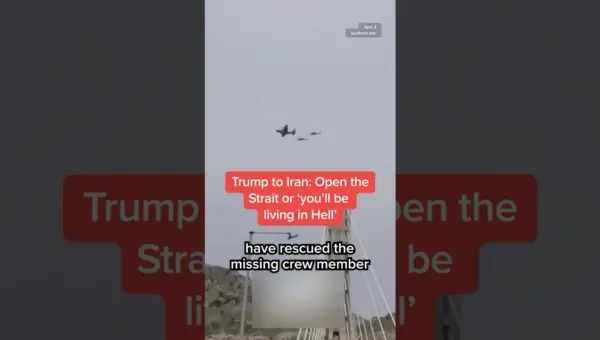
Trump Threatens Iran Over Strait, Claims Airman Rescued
President Trump issued a stark warning to Iran on Tuesday, threatening severe consequences if the Strait of Hormuz is not kept open. He also announced the successful rescue of a U.S. airman whose fighter jet crashed in Iran. The dual announcements highlight ongoing tensions in the region and U.S. military operations.

US Rescues Airman, Uniting Congress in Rare Bipartisan Praise
Washington reacted with widespread relief and bipartisan praise following the successful rescue of a U.S. service member held in Iran. The operation united lawmakers, demonstrating American resolve and capability in a complex geopolitical landscape. This event highlights the enduring importance of military power and its impact on regional dynamics.