Pilot Shot Down Over Iran: Expert Details Survival, Rescue Efforts
A U.S. pilot ejected over Iran after his aircraft was shot down, prompting a critical search and rescue mission. Retired Brigadier General Houston Cantwell explained the rigorous survival training pilots undergo and the vital role of specialized rescue teams. The incident underscores the dangers of air operations and the strategic importance of recovering downed personnel.

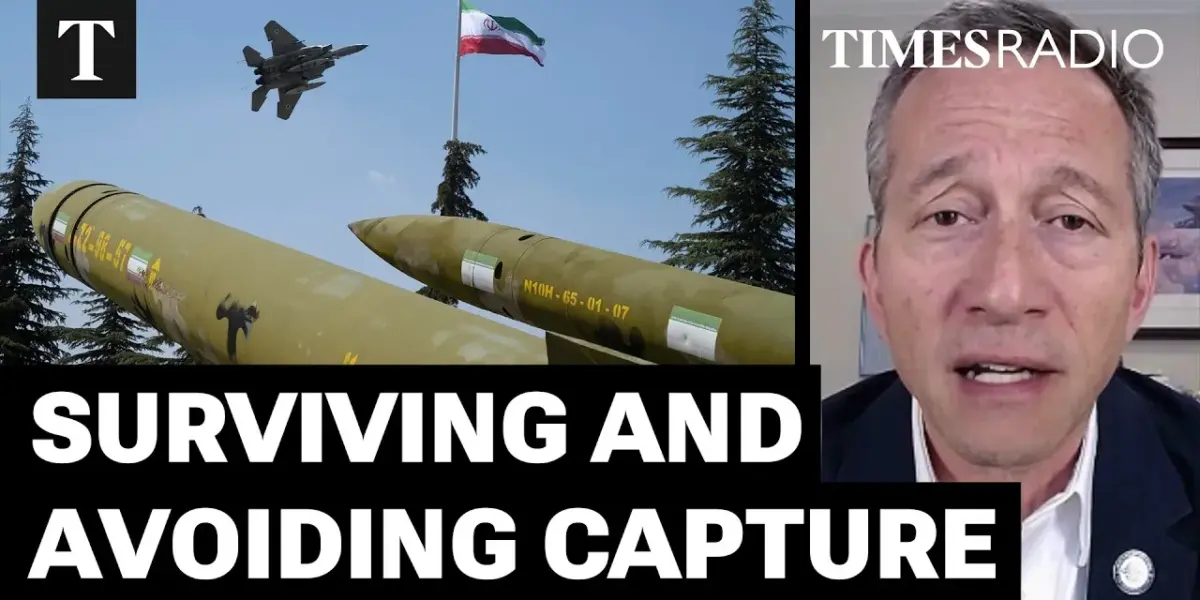
Pilot Downed Over Iran: Expert Explains What Happens Next
A U.S. pilot ejected over Iran after his aircraft was shot down, sparking a critical search and rescue operation. Retired U.S. Air Force Brigadier General Houston Cantwell, a national security expert, explained the complex survival and recovery processes involved. The incident occurred despite previous assurances from U.S. officials about American control of the skies.
Iran’s Air Defense: A Formidable System
Brigadier General Cantwell expressed that the downing of the U.S. aircraft was not a surprise to him. He stated that Iran possesses a very strong integrated air and missile defense system. The fact that Iran had not successfully shot down an aircraft before this incident, he noted, is a testament to the skill and planning of U.S. Central Command, the Air Force, and the Navy. He added that losing aircraft is a dangerous reality in air operations, recalling historical conflicts. The U.S. had flown over a thousand missions in the region in the preceding month without incident, which he called an amazing feat.
Pilot Training: Survival and Resistance
For any pilot facing such a situation, extensive training is crucial. All U.S. pilots and weapon system operators undergo several weeks of survival, evasion, resistance, and escape (SERE) training. This training equips them with necessary skills and knowledge about the equipment they carry. It involves putting trainees in highly stressful scenarios to prepare them for various potential situations. These could range from being deep behind enemy lines to landing near water or in urban areas. Instructors teach pilots to assess their surroundings and decide on the best course of action, whether to hide or attempt to reach a recovery point.
Survival Gear and Priorities
Airmen carry a survival kit containing essential equipment designed to aid in recovery. While specifics are classified, these kits include items to increase the chances of a successful pickup. The kit also contains emergency rations. However, General Cantwell emphasized that for a pilot ejected over a desert environment, water would be the most critical concern. Dehydration can quickly degrade mental focus, making survival much harder. Food can be forgone for a longer period than water.
Rescue Operations: A Race Against Time
The U.S. military maintains combat search and rescue (CSAR) forces on standby for such missions. If an aircraft is lost behind enemy lines, these specialized units are put on high alert. They can quickly mobilize helicopters, support aircraft like tankers, and fighter jets to form a recovery package. The primary goal is to locate the downed airman and extract them safely and quickly. This operation is described as a race, with intelligence feeds and national technical means used to pinpoint the survivor’s location. The urgency is heightened by the possibility of Iranian forces reaching the pilot first.
Potential Propaganda Coup for Iran
Iranian authorities have reportedly offered a reward for the capture of the missing airmen. General Cantwell suggested that capturing a U.S. pilot would be a significant propaganda victory for the Iranian regime. They would likely wish to present the pilot to the media, potentially to embarrass the U.S. and President Trump. The risk of Iran capturing the pilot before U.S. forces can recover them is a major concern, as it could have significant geopolitical implications.
The Pilot’s Condition and Immediate Actions
The pilot’s physical and mental condition after ejection is a primary factor in determining survival and rescue strategy. Being hit by a missile, even if not directly, can cause shrapnel wounds. The ejection process itself is extremely violent, subjecting the pilot to high G-forces. Landing via parachute adds further risk. If the pilot is in good condition, the immediate priority would be to find a secure location to remain hidden and maintain a low profile. However, the possibility that the pilot may not have survived remains, especially if there is no sign of the ejection seat in the wreckage.
Broader Strategic Questions
While the U.S. military has demonstrated remarkable tactical success in its operations, General Cantwell raised questions about the overall strategic objectives. He praised the professionalism and precision of the air campaigns but questioned the ultimate end goal. The focus on successful tactical strikes, he suggested, needs to align with clear long-term strategic aims. The incident also highlights the ongoing development of unmanned technologies, like the MQ-9 Reaper, which can perform deep strike missions without risking pilots.
Support for Families and Morale
In times of crisis, the military community rallies around affected families. General Cantwell expressed confidence that the pilot’s squadron and the wider military community would provide strong support. He also touched on the psychological impact on fellow pilots and crew. The desire to support a teammate and ensure their safety would be a powerful motivator, potentially driving a strong desire to conduct immediate missions to find and protect their colleague.
What Comes Next
The immediate focus remains on locating the downed pilot and initiating a rescue operation. All available intelligence and resources are being employed to determine the pilot’s status and whereabouts. The U.S. military will continue to work to recover the airman safely, aiming to do so before any potential adversaries. The outcome of this rescue effort will undoubtedly influence future military planning and strategic considerations in the region.
Source: Here’s What Happens Next For Pilot Shot Down Over Iran | Former US Air Force General (YouTube)

Related Articles
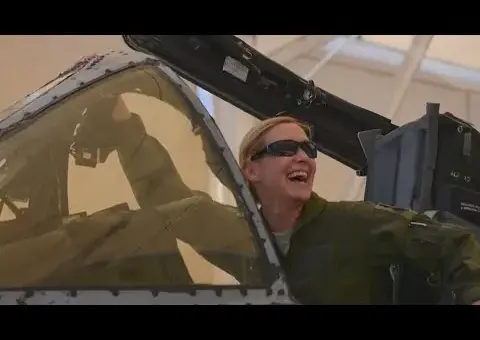
Iran Downs U.S. Jet, Sparking Major Geopolitical Tensions
Iran's downing of two U.S. military jets marks a rare escalation, prompting a focus on U.S. rescue capabilities. A former A-10 pilot shared insights into the intense training and resolve of military personnel during such high-risk operations.


US Rescues Airman Behind Enemy Lines
The U.S. military successfully executed a daring rescue of an airman behind enemy lines, showcasing elite Pararescue capabilities. This joint operation involved multiple U.S. special operations forces and international partners, highlighting a strong commitment to personnel recovery. The mission is expected to become a key case study in military training.

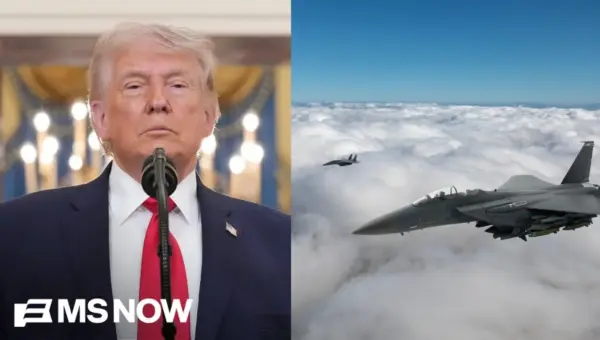
US Rescues Pilot From Iran After Intense Military Operation
The U.S. military has successfully rescued a missing airman from Iran in a complex operation involving dozens of aircraft and intelligence assets. The pilot, who evaded capture for over 24 hours after his jet crashed, is now safe and receiving medical care. The mission highlights extensive pilot training and sophisticated inter-agency coordination.