Iran’s Nuclear Ambitions: Victory or Illusion?
Recent analysis suggests Iran's nuclear material remains in place, and its finances may be growing despite international efforts. Shifting strategic goals and questionable military achievements raise doubts about the effectiveness of current policies. The core issue of preventing nuclear development appears unaddressed, while Iran potentially profits from regional instability.

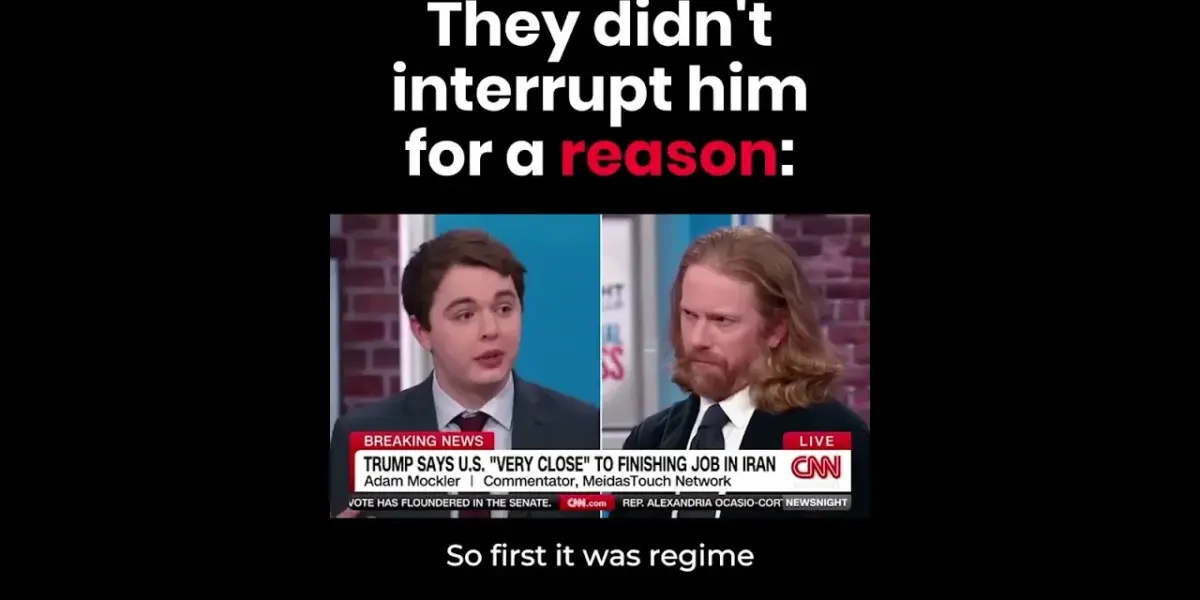
Iran’s Nuclear Ambitions: Victory or Illusion?
The ongoing situation in the Middle East raises serious questions about the effectiveness of current strategies aimed at preventing Iran from developing nuclear weapons. Despite stated goals, evidence suggests Iran’s nuclear material remains present, and its financial resources may actually be growing. This raises concerns about whether recent actions are achieving their intended purpose or inadvertently strengthening the very entity they aim to control.
Shifting Goals and Unverified Progress
A key point of discussion is the apparent change in objectives regarding Iran. Initially, the focus seemed to be on regime change, as suggested by operations like Israel’s “Roaring Lion.” When this proved too ambitious, the goal shifted to preventing the development of weapons of mass destruction. However, verifying Iran’s progress in enriching uranium has proven difficult, leaving a crucial aspect of the strategy unaddressed.
The transcript highlights a lack of clear, verifiable success in stopping Iran’s nuclear program. It questions whether the primary aim of preventing nuclear development is being met when the nuclear material is still present. This lack of tangible progress in a core objective is a significant point of concern for those following the situation.
Economic Gains Amidst Sanctions
Ironically, Iran appears to be benefiting financially from the very conflicts that are supposed to isolate it. By controlling vital shipping lanes like the Strait of Hormuz, Iran can charge tolls, generating substantial revenue. This economic gain is happening even as sanctions are being lifted on oil exports, further increasing their financial capacity.
The situation creates a paradox: actions intended to weaken Iran may be inadvertently making it wealthier. The ability to control shipping traffic means Iran can profit from global trade, a scenario that runs counter to the objectives of limiting its resources and influence.
Questionable Military Achievements
Claims of military success against Iran are also being challenged. Reports of destroying Iran’s air force and navy are met with skepticism, as these assets are described as largely outdated, some dating back 55 years and originally supplied by the United States. These aging military capabilities were not considered a significant threat to major powers.
Destroying ancient military equipment does little to address the core issues of nuclear proliferation or regional influence. The focus on these less significant military targets seems to divert attention from the more pressing strategic challenges. The transcript suggests that the declared victories are in areas that do not fundamentally alter Iran’s strategic position or its nuclear ambitions.
Why This Matters
The central question is whether the current approach is truly working. If Iran’s nuclear materials remain in place and its economy is strengthening, then the strategies employed are failing to achieve their most critical goals. This raises concerns about the long-term security implications for the region and the world. A situation where a nation continues to pursue nuclear capabilities while also increasing its financial power is inherently unstable.
Historical Context and Trends
The pursuit of nuclear weapons by various nations has historically been a complex geopolitical issue. International efforts to prevent proliferation often involve a combination of sanctions, diplomacy, and military deterrence. However, the effectiveness of these tools can vary greatly depending on the specific context, the target nation’s resolve, and the international community’s unity.
In Iran’s case, the history of its nuclear program has been marked by periods of international scrutiny, agreements, and breakdowns. The current situation appears to be a continuation of this pattern, with ongoing debates about verification and intent. The trend of shifting strategic objectives suggests a difficulty in maintaining a consistent and effective policy.
Future Outlook
The current trajectory suggests that without a clear, verifiable strategy to halt Iran’s nuclear program, the risk of proliferation remains high. Furthermore, if Iran continues to benefit economically from regional instability, it could embolden its assertiveness. The administration’s tendency to lower the threshold for defining victory also raises questions about accountability and long-term commitment to specific outcomes.
Moving forward, a more robust and transparent approach to verification will be crucial. Clearly defined objectives, backed by consistent policy and international cooperation, are needed to effectively address the complex challenge posed by Iran’s nuclear ambitions and its regional activities. The current situation, as presented, offers little evidence of a clear victory.
Source: They didn't stop me for a reason #politics #fyp #new (YouTube)

Related Articles

China Maps Seabed, Eyes Hawaii in Naval Power Play
China's extensive seabed mapping in the Pacific, particularly around strategic areas like Guam and Hawaii, is raising concerns about its preparation for submarine warfare. This effort, often disguised as scientific research, aims to enhance China's naval capabilities and challenge US dominance in the region.

Russia Faces Last-Ditch Offensive, Internal Cracks
Russia may be launching a final major offensive in Ukraine as it faces mounting internal pressures. Analysts suggest this push is a last resort before significant manpower and financial issues arise. Meanwhile, increasing domestic information control and official criticism highlight growing cracks within the Russian establishment.


Trump Threatens Iran, Shaking Global Stability
Former President Trump's aggressive Easter Sunday warning to Iran has ignited global concerns, highlighting a volatile intersection of politics, religion, and foreign policy. The analysis explores the motivations behind such rhetoric, the deep divisions within American society, and the potential for severe economic and geopolitical repercussions worldwide.