Jobs Report Masks Economic Woes Amidst Iran Conflict
A recent jobs report showed 178,000 new jobs in March, with the unemployment rate falling to 4.3%. However, analysts caution that healthcare drove most of these gains, and underlying economic weakness persists. Rising inflation and the impact of international conflicts are creating significant economic pain and raising fears of stagflation, with potential political repercussions.

Economy Faces Headwinds Despite Positive Jobs Data
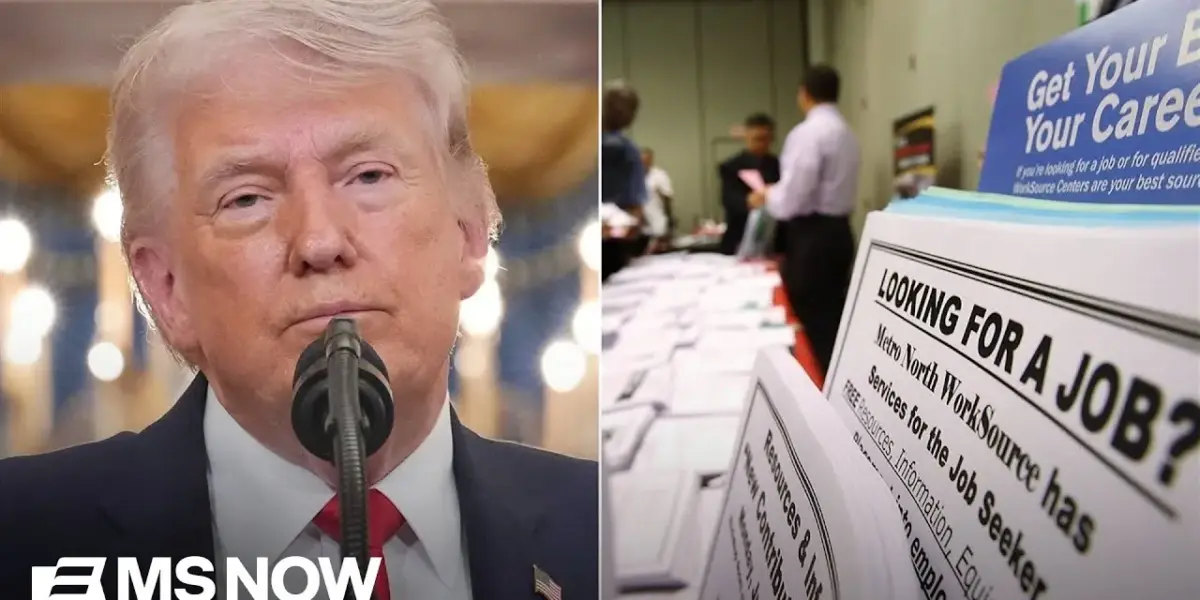
The United States economy is showing mixed signals, with a recent jobs report indicating growth while deeper concerns about inflation and the impact of international conflicts loom. In March, the economy added 178,000 new jobs, surpassing Wall Street’s expectations. The unemployment rate also saw a slight decrease, falling to 4.3%.
Healthcare Drives Job Gains, But Underlying Weakness Persists
Analysis of the jobs report reveals that the gains were heavily influenced by specific factors. Weather-related job losses in previous months were reversed, and striking nurses returned to work. Healthcare and social assistance sectors were the primary drivers, accounting for 43% of all new jobs created last month. However, when excluding healthcare, job growth was essentially negative over the past year, highlighting a significant reliance on this single sector.
“If you look at the last six months, we’re averaging about 68,000 jobs per month. And that’s a very mediocre environment,” noted one analyst. The labor force also shrank by 400,000 individuals, which contributed to the lower unemployment rate, suggesting the overall picture is not as strong as the headline numbers imply. This period is characterized by a “low hire, low fire world that doesn’t do much for anybody,” according to experts.
Inflation and Conflict Cast Economic Shadow
Beyond the jobs numbers, Americans are feeling the pinch of rising prices, particularly at the gas pump. This economic pain is expected to have significant political consequences. Historically, economic hardship and inflation have played a major role in shaping election outcomes. For instance, economic concerns were a key factor in Donald Trump’s rise to the presidency.
Despite the current economic pressures, there is a perceived lack of empathy from some political figures. Suggestions like being patriotic while paying more for basic goods or taking on second jobs are being met with skepticism, especially when contrasted with government actions and policies.
Tariffs and Foreign Policy Decisions Undermine Economic Agenda
The impact of past policies, such as tariffs, is also being re-examined. While intended to boost domestic manufacturing, these tariffs have had unintended consequences. The reliance on global supply chains means that not all goods can be produced domestically, and disruptions can halt critical projects. For example, helium, essential for semiconductor manufacturing, is often transported through the Strait of Hormuz, a route affected by international tensions.
Analysts point out that these decisions, often driven by ego or a desire for chaos, have sabotaged economic progress. Polling data suggests that public approval of Donald Trump’s handling of the economy is lower than it was during Joe Biden’s presidency, and even comparable to or worse than historical figures like Jimmy Carter. Despite promises to bring manufacturing jobs back, the sector has seen a decline, and businesses are hesitant to expand due to economic uncertainty.
Stagflation Fears Rise as Growth Slows
The combination of a slowing economy and persistent inflation is raising fears of stagflation, a scenario where economic growth stagnates while prices continue to rise. The Atlanta Fed has downgraded its first-quarter growth estimates to nearly 1%. This environment, characterized by a flat job market and inflation above target, is seen as detrimental to everyone.
The current situation is described as a “triad of diesel prices, gas and fertilizer that are hitting everybody across the board.” This economic pressure is compounded by policy decisions regarding social safety net programs. Cuts to programs like Medicaid and SNAP, coupled with potential reductions in other domestic initiatives, could significantly amplify the pain for lower and middle-income individuals, especially if the economy enters a recession.
Political Landscape and Future Outlook
The economic challenges are creating a fertile ground for political grievances. The question remains whether opposition parties can offer a compelling alternative to capture public anger. While Democrats are currently showing strong gains in generic polling, the ability to translate this into electoral success will depend on addressing the core economic anxieties of voters.
The economic outlook suggests a challenging period ahead. The interplay between global conflicts, domestic economic policies, and rising inflation will be critical factors to watch. As the nation grapples with these complex issues, the effectiveness of proposed solutions and the ability of political leaders to connect with the everyday economic realities of Americans will be paramount.
“The report found serious problems and suggests new rules that would affect all holders.”
Source: Trump's Iran war casts shadow over economy despite strong jobs report (YouTube)

Related Articles


Credit Spreads Surge; Stocks Near Highs Signal Trouble
Widening credit spreads, a historical predictor of stock market downturns, are currently signaling economic trouble while the S&P 500 remains near highs. The Federal Reserve faces a difficult challenge managing inflation and employment amidst potential oil price shocks.

Jobs Report Surges, Oil Prices Spike Amid Global Tensions
The U.S. jobs report for March significantly beat expectations, adding 178,000 jobs and lowering unemployment to 4.3%. This positive economic news emerged as oil prices surged over 11% amid escalating Middle East tensions, reaching highs not seen since 2008. The Federal Reserve faces a complex environment, balancing strong labor market data with inflation concerns and global instability.
Congress Ready to Act if Iran Conflict Escalates, Lawler Says
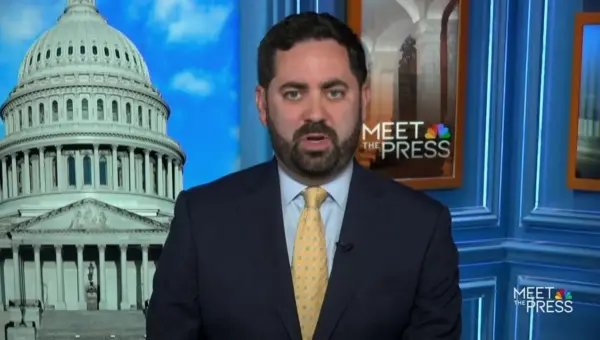
Congress is prepared to take "necessary action" if the Iran conflict escalates, according to Rep. Mike Lawler. He praised a recent military rescue operation and defended the president's authority under the War Powers Act, while also stressing the need for congressional briefing on troop deployments. Lawler also criticized Democrats for the Department of Homeland Security funding stalemate, vowing to fully fund border security agencies.