US Pilots Trained for Rescue Amidst Rising Tensions
A recent incident involving a downed U.S. fighter pilot highlights the military's advanced Combat Search and Rescue (CSAR) capabilities. The pilot's extensive Survival, Evasion, Resistance, and Escape (SERE) training is crucial for their survival behind enemy lines. This event underscores the high stakes and complex dynamics of modern military operations.


US Pilots Trained for Rescue Amidst Rising Tensions
When a U.S. fighter pilot goes down behind enemy lines, a swift and complex rescue mission begins immediately. This was the situation faced recently when an F-15 pilot ejected over a hostile area. The U.S. military has specialized units ready for these dangerous operations. Their motto, “So that others may live,” shows their dedication to bringing pilots home safely.
This is not a new challenge for the U.S. military. For decades, pilots have undergone extensive training in Survival, Evasion, Resistance, and Escape (SERE). This training prepares them for the worst-case scenarios. It teaches them how to survive, avoid capture, resist interrogation, and escape if they are downed in enemy territory. The pilots are equipped with survival gear and communication devices to help them stay safe and signal for help.
The Rescue Effort
Once a pilot ejects, the Combat Search and Rescue (CSAR) teams are alerted. These teams are highly trained specialists. They use aircraft like the C-130 transport planes and HH-60 helicopters. Their mission is to reach the downed pilot quickly and safely. For CSAR teams, a rescue operation is like their biggest game. They are committed to not leaving any airman behind.
The pilot who ejected is expected to use their SERE training. They would try to evade capture and make contact with friendly forces. Details about the pilot’s survival gear and communication equipment are kept secret. This is to protect the methods used during these sensitive operations. However, it’s known that pilots carry firearms, signaling devices, and communication tools in their ejection seats.
Potential Hostage Situation
If the downed pilot is found by opposing forces, like Iranian troops, it raises serious concerns. A captured pilot could be used as a bargaining chip. There have been reports of rewards for finding missing personnel. However, the U.S. military’s commitment to rescue is far more significant than any monetary reward.
During past conflicts, like operations in southern Iraq, pilots carried special leaflets. These “bloodshed” leaflets were written in local languages. They offered a reward to anyone who returned an American airman safely. The message was clear: no harm should come to the pilot. This highlights a strategy to encourage local populations to help, especially in areas where anti-regime sentiment is strong.
Geopolitical Context
The incident occurs at a time of heightened regional tensions. The area where the pilot went down is known to have populations that are not supportive of the current regime. This could mean the pilot might find help from locals. The U.S. military is working closely with allies to ensure the pilot’s safe return. The situation underscores the ongoing risks faced by military personnel operating in volatile regions. It also shows the U.S. commitment to its service members, no matter the cost.
Global Impact
This event highlights the critical importance of well-trained military personnel and robust rescue capabilities. It also brings attention to the complex geopolitical dynamics in the Middle East. The ability of a nation to protect its personnel in hostile territory is a key indicator of its military strength and diplomatic influence. Failed rescues or prolonged captivity can damage a nation’s prestige and embolden adversaries. Conversely, successful operations reinforce alliances and deter aggression.
Historical Context
The U.S. has a long history of conducting complex rescue missions. From the Vietnam War’s “Hanoi Hilton” POWs to more recent operations, the commitment to recovering downed aircrews has been unwavering. SERE training itself has evolved significantly since its origins. It was developed to prepare personnel for the harsh realities of captivity and evasion. This incident is a modern test of those enduring principles and capabilities.
Economic Leverage
While not directly mentioned in the immediate rescue context, economic factors often play a role in such situations. Sanctions, trade dependencies, and control over energy routes can influence the actions of nations involved. A captured pilot can become a point of economic or political leverage. However, the U.S. typically prioritizes the safe return of its personnel above all else, often pursuing diplomatic or covert means rather than succumbing to economic pressure for release.
Future Scenarios
Several outcomes are possible. The pilot could be successfully rescued by CSAR teams. Alternatively, they might evade capture until friendly forces can reach them. There is also the possibility of capture, which would lead to complex diplomatic negotiations. The likelihood of each scenario depends on many factors, including the pilot’s actions, the terrain, local support, and the response of opposing forces.
Source: Former fighter pilot says missing airman trained to stay safe | NewsNation Live (YouTube)

Related Articles
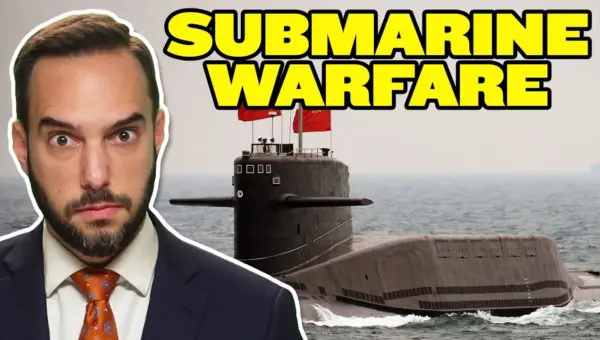
China Maps Seabed, Eyes Hawaii in Naval Power Play
China's extensive seabed mapping in the Pacific, particularly around strategic areas like Guam and Hawaii, is raising concerns about its preparation for submarine warfare. This effort, often disguised as scientific research, aims to enhance China's naval capabilities and challenge US dominance in the region.
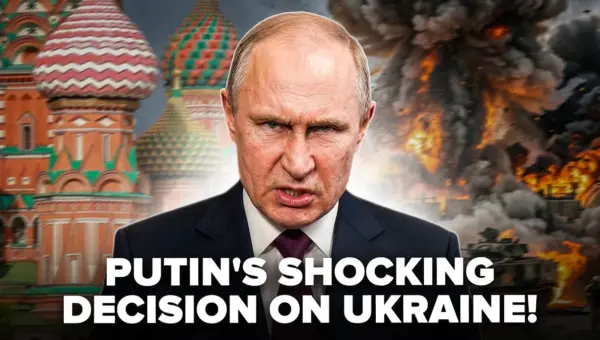
Russia Faces Last-Ditch Offensive, Internal Cracks
Russia may be launching a final major offensive in Ukraine as it faces mounting internal pressures. Analysts suggest this push is a last resort before significant manpower and financial issues arise. Meanwhile, increasing domestic information control and official criticism highlight growing cracks within the Russian establishment.


Trump Threatens Iran, Shaking Global Stability
Former President Trump's aggressive Easter Sunday warning to Iran has ignited global concerns, highlighting a volatile intersection of politics, religion, and foreign policy. The analysis explores the motivations behind such rhetoric, the deep divisions within American society, and the potential for severe economic and geopolitical repercussions worldwide.