Military Leaders Push Back Against Pentagon Purge
The recent firing of Army Chief of Staff General Randy George by Secretary of Defense Pete Hegsith has sparked controversy and accusations of internal dissent. The Joint Chiefs of Staff issued a statement of support for General George, interpreted by some as a coded rebuke of Hegsith's actions. This event highlights concerns about political interference and paranoia affecting U.S. military leadership during a critical conflict.

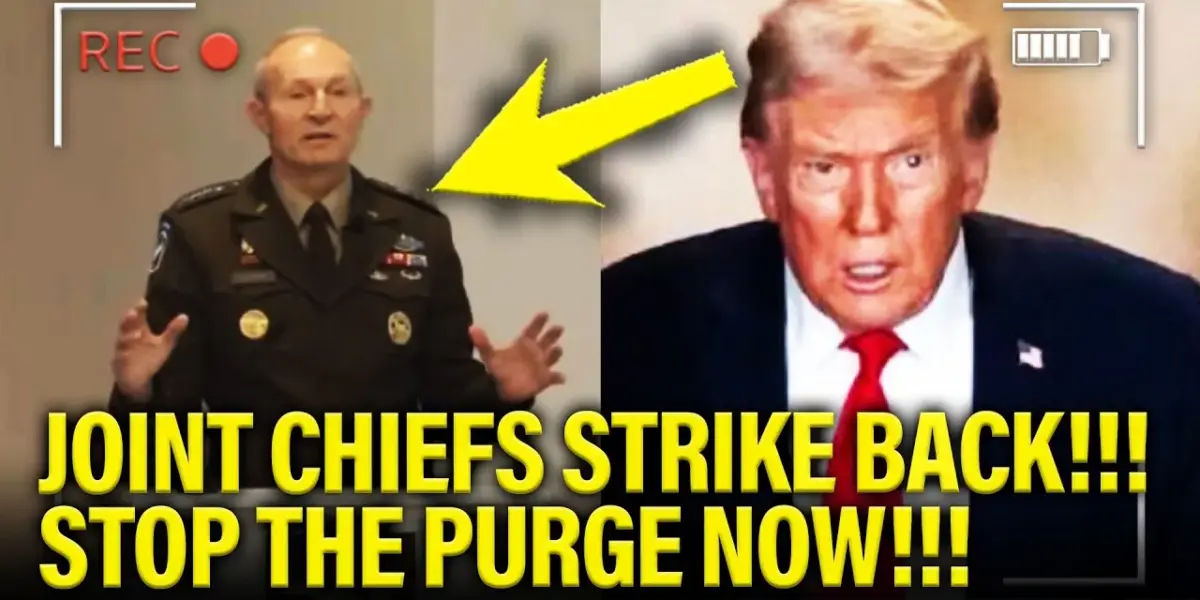
Military Leaders Push Back Against Pentagon Purge
A recent decision by Secretary of Defense Pete Hegsith to fire Army Chief of Staff General Randy George has sent ripples through the U.S. military. This move, occurring in the midst of a major conflict, has led to what some see as a coded act of defiance from the Joint Chiefs of Staff. It raises serious questions about leadership stability and the direction of the armed forces.
A Coded Message of Discontent
The Joint Chiefs of Staff, the principal advisory body to the President, Secretary of Defense, and National Security Council, used their official social media to express gratitude to General George. The message, while seemingly standard, is being interpreted by many as a subtle but clear rebuke of Hegsith’s actions. The language used highlights General George’s “steadfast service,” “honor and dedication,” and “many years of sacrifice and devotion.” This is seen by some as a direct contrast to the perceived humiliation Hegsith intended for General George.
“The joint staff had his back right away and talked about how thankful they are and what real service looks like.”
This public display of support for a recently fired four-star general is unusual. It suggests a significant level of disagreement within the military’s highest ranks. The timing, during a “catastrophic war,” makes the firing even more noteworthy and has led to widespread concern.
Who is General Randy George?
General Randy George, the former Chief of Staff of the Army, was considered a highly respected and capable leader. He is described as one of the best tacticians, with a deep understanding of modern warfare, particularly lessons learned from the conflict in Ukraine. His expertise was seen as crucial for integrating these new tactics into the U.S. Army. Before his current role, he also served on the Joint Chiefs of Staff, giving him broad experience at the highest levels of military planning.
In a 2023 speech, General George outlined his vision for the Army, emphasizing innovation, adaptability, and the importance of warfighting skills. He highlighted the changing nature of warfare, driven by technology, and the need for the Army to evolve. He spoke about soldiers being “willing to innovate, train, and endure hardship for the team and the mission.” He also stressed that the Army must be a “global force that fights when called upon at the scale required.” This speech presents a clear picture of a leader focused on readiness and modernizing the military.
Allegations and Paranoia at the Top
Reports suggest that General George’s firing may stem from disagreements over promotions within the Army. Some sources claim that Hegsith and his allies sought to block promotions for qualified individuals, including women and minorities, who did not align with their interests. There are also reports of deep paranoia within the Department of Defense, with Hegsith allegedly fearing that Army Secretary Dan Driscoll, who is reportedly close to Senator JD Vance, might be seeking his job.
This alleged paranoia is said to be a driving force behind a series of firings and resignations of top military leaders. The transcript mentions that between 20 and 26 top military leaders have been removed recently, a significant purge that has alarmed many observers. This includes the former Chairman of the Joint Chiefs, the Chief of Naval Operations, and the Vice Chief of Staff of the Air Force, in addition to General George.
Historical Context and Trends
The firing of high-ranking military officials is not entirely new, but the scale and context of these recent events are concerning. Historically, the military leadership has been a source of stability and continuity, even during periods of political transition. However, the current situation, marked by accusations of political interference and personal paranoia influencing military decisions, appears to be a departure from the norm.
The practice of removing experienced leaders, especially during wartime, can have serious consequences. It can disrupt command structures, erode morale, and potentially impact operational effectiveness. The emphasis on personal loyalty over professional competence is a recurring theme in discussions about leadership changes in volatile political environments. The transcript notes that Hegsith has been calling the Department of Defense the “Department of War,” which some see as revealing his aggressive stance and perhaps a disconnect from traditional military governance.
Why This Matters
The stability and professionalism of the U.S. military are critical for national security. When top leaders are perceived to be making decisions based on personal insecurity or political motives rather than military necessity, it can undermine public trust and international confidence. The alleged purge of experienced officers, particularly those with expertise in modern warfare, could weaken the military’s ability to respond to complex global threats.
Furthermore, the internal dissent, even if expressed subtly, indicates a potential breakdown in civil-military relations. The military’s role is to serve the nation under civilian leadership, but this requires a foundation of mutual respect and a shared commitment to professional standards. The events described suggest that this foundation may be eroding.
Implications and Future Outlook
The long-term implications of these leadership changes are significant. If the trend of removing experienced officers continues, it could lead to a generation of less prepared leaders at critical junctures. The military’s ability to adapt to new technologies and evolving threats, as highlighted by General George, could be hampered. The current conflict, coupled with these internal upheavals, creates a precarious situation.
The coded message from the Joint Chiefs suggests that there are still individuals within the military hierarchy who prioritize professional integrity. However, the extent to which this sentiment can counter the perceived political pressures remains to be seen. The situation calls for careful observation of how these internal dynamics play out and their impact on U.S. military readiness and foreign policy in the coming months and years.
Source: 🚨Joint Chiefs STRIKES BACK at Trump IN MIDDLE OF WAR!!! (YouTube)

Related Articles

Top General Slams Trump’s War Strategy and Leadership
Former Joint Chiefs Chairman General CQ Brown Jr. has publicly criticized Donald Trump and Pete Hegesith, citing concerns over war planning, leadership, and the erosion of trust. His remarks highlight issues with military strategy, the role of AI in warfare, and the importance of civilian-military connection.
Trump Fires Top Generals Amid War Chaos and Falling Polls
Top U.S. Army leadership, including Chief of Staff General Randy George, has been abruptly removed amidst ongoing conflict in Iran. The firings, coupled with battlefield setbacks contradicting official claims of dominance, raise concerns about stability and decision-making.

Trump’s War Isolation: Press Barred as Iran Escalates
President Trump has limited press access amid an escalating conflict with Iran, marked by aircraft shootdowns and significant military personnel changes. Concerns are rising over the reliability of information and potential conflicts of interest involving the President's family.