NATO Under Strain: US Policy Shifts Spark Global Security Concerns
Recent U.S. policy statements regarding NATO and the Strait of Hormuz are sparking global security concerns. Analysts suggest these reflect a potential shift in U.S. strategy, impacting alliance effectiveness and creating opportunities for other powers. The war in Ukraine continues to showcase the rapid evolution of drone warfare and Ukraine's apparent tactical initiative.

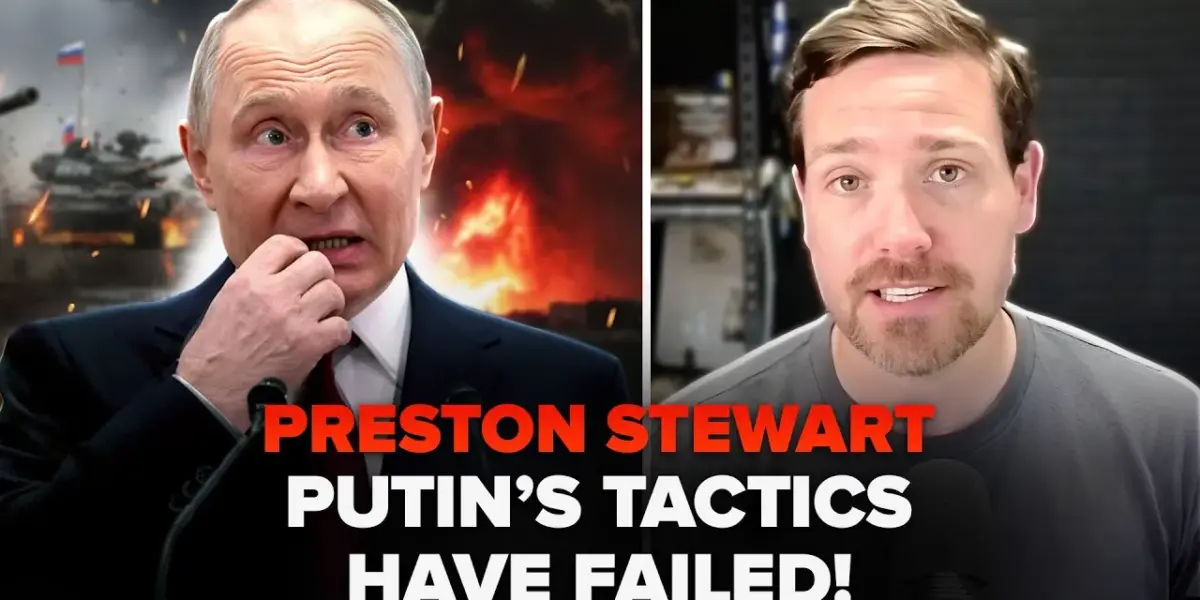
NATO Under Strain: US Policy Shifts Spark Global Security Concerns
Recent statements from former President Donald Trump regarding a potential U.S. withdrawal from NATO are being interpreted by some analysts not as a bluff, but as a sign of a genuine shift in American security policy. While Congress remains largely supportive of the alliance, the President’s ability to reduce U.S. participation and funding could weaken NATO’s effectiveness.
These potential changes come as global security faces increasing pressure. The Strait of Hormuz, a vital waterway for global commerce, has become a flashpoint. Despite U.S. frustration with allies for not taking a more active role in ensuring its passage, the U.S. Navy itself has not initiated operations to forcibly open the strait. This cautious approach highlights the dangerous and complex nature of the situation, even with degraded threats.
Alliances Tested Amidst Shifting Dynamics
The effectiveness of alliances like NATO is built on more than just written agreements; it relies heavily on joint training and readiness. Reducing U.S. participation in these exercises could significantly diminish the alliance’s overall capability. While a formal withdrawal from NATO seems unlikely in the short term due to congressional support, a trend toward making the U.S. relationship with the alliance more difficult appears to be emerging. This could lead to a less predictable global security environment.
The challenges extend beyond NATO. Efforts by China and Pakistan to propose a plan to end the war in Iran, calling for an immediate ceasefire and the reopening of trade through the Strait of Hormuz, point to a growing global desire for stability. With oil and natural gas supplies facing shortages, countries are looking for solutions. China, in particular, may see an opportunity to position itself as a mediator and a problem-solver, especially if the situation in the Persian Gulf continues to disrupt global trade.
Ukraine’s War Effort and Shifting Priorities
In parallel, the war in Ukraine continues to be a complex factor in international relations. Conflicting messages regarding U.S. support for Ukraine have emerged, creating uncertainty. Proposals to link European partners’ willingness to pay for weapons for Ukraine with U.S. involvement in the Strait of Hormuz operations add another layer of complexity. This has led to questions about the U.S. ability to simultaneously address threats in the Persian Gulf, the Pacific, and support Ukraine.
The U.S. is reportedly tripling orders for Patriot Interceptors, a critical air defense system. However, a debate persists about whether production has been ramped up quickly enough to meet demand. The extensive use of expensive munitions in recent conflicts has raised concerns about U.S. stockpiles and the time it might take to rebuild them. The current capacity, without significant changes, may not be sufficient to handle multiple major security challenges simultaneously.
The Rise of Drone Warfare and Evolving Tactics
The conflict in Ukraine has also highlighted the rapidly evolving nature of modern warfare, particularly the increasing importance of drones. While some large defense manufacturers have expressed skepticism about the quality of certain Ukrainian-made drones, the battlefield reality shows their effectiveness. First-person view (FPV) drones, though inexpensive, are proving deadly and are being adopted by other nations, including recent reports of their use against Israeli tanks in Lebanon.
Experts suggest that simply acquiring hardware is not enough; the ability to effectively employ these technologies is crucial. The training and experience of operators are key to integrating new systems into existing military doctrine. This mirrors past discussions where the ability of Ukrainian soldiers to operate advanced Western equipment was questioned, only for them to adapt and utilize it effectively.
Ukraine Regains Initiative on the Battlefield
Despite the complex geopolitical landscape, Ukraine appears to have regained the initiative on the battlefield. Reports indicate Ukraine is building on successful tactics, including refined small-scale assaults and increasingly effective deep strikes into Russian territory. Russian forces are reportedly struggling to adapt, moving back towards armored assaults after infiltration tactics proved costly. There is also increased discussion within Russian channels about the possibility of further mobilization.
Ukraine’s military is also improving its drone interception rates while simultaneously increasing the range and payload of its own drones. This dynamic shift suggests Ukraine is adapting more quickly than Russia, which is seen as making adjustments on the fly. Russian claims of capturing entire regions, such as Luhansk, have been disputed, with some villages reportedly remaining under Ukrainian control. This, along with disruptions to communication platforms like Telegram and efforts to counter Starlink, indicates significant scrambling within the Russian military apparatus.
Strategic Implications
The potential weakening of NATO and the U.S. shifting security priorities create a more uncertain global environment. Allies may feel compelled to develop more regional security arrangements. The Strait of Hormuz situation underscores the fragility of global supply chains and creates opportunities for other powers, like China, to assert influence. The rapid evolution of drone warfare demands adaptation from all militaries, with those that embrace new technologies likely to gain a strategic advantage.
On the ground, the war in Ukraine demonstrates the critical need for continuous adaptation. Ukraine’s apparent regaining of the initiative suggests that effective tactics and the rapid integration of new technologies, like drones, can offset traditional military power. The ongoing conflict also highlights the logistical challenges and resource strains faced by major military powers when confronting multiple, simultaneous security crises.
Source: 😱Shouts throughout Kremlin! Putin’s offensive has failed. Trump shocked everyone with his decision (YouTube)

Related Articles
Russia Faces Last-Ditch Offensive, Internal Cracks
Russia may be launching a final major offensive in Ukraine as it faces mounting internal pressures. Analysts suggest this push is a last resort before significant manpower and financial issues arise. Meanwhile, increasing domestic information control and official criticism highlight growing cracks within the Russian establishment.


Trump Threatens Iran: “Open Strait or Live in Hell”
President Trump issued a severe warning to Iran, threatening "hell" if the Strait of Hormuz is not reopened, while U.S. forces successfully rescued a downed airman. Experts suggest potential escalation and regional realignments are unfolding.

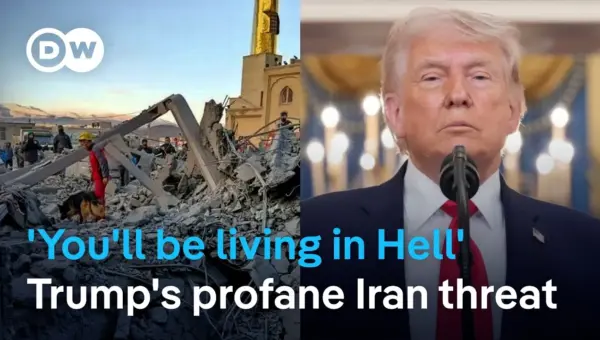
Trump’s Vulgar Iran Threat Sparks Global Outrage
President Donald Trump issued a highly profane threat against Iran via social media, warning of attacks on civilian infrastructure if the Strait of Hormuz was not opened. Experts suggest the outburst stems from frustration and desperation, while legal scholars warn of potential war crimes. The situation continues to escalate, with significant economic and political implications for the region.