Book Villains Unleashed: Movie Versions Softened
Many movie villains are softened from their book origins. From John Hammond's greed in Jurassic Park to Patrick Bateman's unfiltered brutality in American Psycho, these literary characters are often far more terrifying on the page than on the screen. Explore the darker, uncensored versions of your favorite cinematic antagonists.

Literary Villains Get Darker in Print
Ever watch a movie and think the bad guy wasn’t quite as scary as you expected? You’re not alone. Many movie adaptations of popular books tend to tone down the villains, making them a bit less terrifying for a wider audience. Today, we’re diving into ten movie characters who were way more evil and disturbing in their original book form. Prepare for some spoilers as we uncover the darker truths behind these characters.
John Hammond: From Tycoon to Grandfather
When you think of John Hammond from Jurassic Park, you probably picture the kindly, white-suited grandfather figure played by Richard Attenborough. He seemed like a dreamer who just wanted to share his incredible dinosaur park with the world. However, Michael Crichton’s 1990 novel paints a very different picture. In the book, Hammond isn’t a charming visionary; he’s a greedy businessman who cuts corners and ignores safety warnings. He even treats his own grandchildren as test subjects for his investors. When the park goes haywire, his main concern is making more money. The book’s Hammond faces a much harsher fate, unlike the movie version who, despite his flaws, comes across as almost a saint.
Count Olaf: More Sinister Than Silly
Jim Carrey’s Count Olaf in A Series of Unfortunate Events was a wild ride of funny faces and over-the-top antics. While entertaining, this portrayal softened the character significantly. Lemony Snicket’s books present Olaf as a truly sinister predator. He’s cold, calculating, and ruthless, responsible for the Baudelaire parents’ deaths and manipulating everyone around him. His schemes and disguises are part of a deeply disturbing plan driven by greed. Carrey’s Olaf might make you laugh, but Snicket’s version is designed to make you truly fear him.
Grima Wormtongue: A Deeper Betrayal
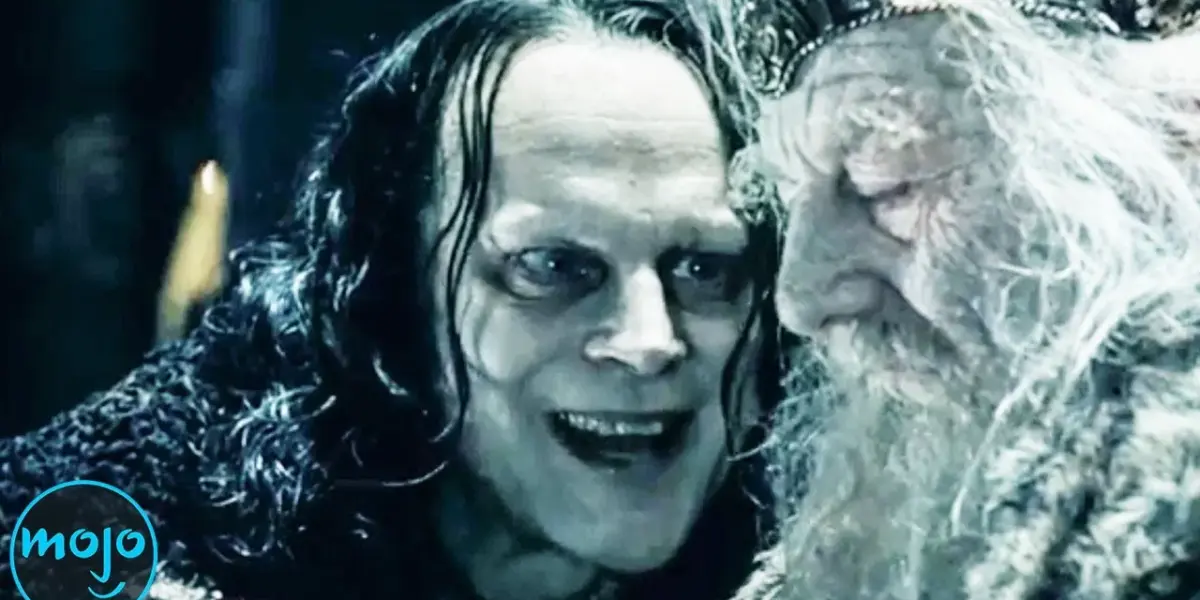
In Peter Jackson’s Lord of the Rings films, Grima Wormtongue is a pale, greasy whisperer who serves King Théoden. He seems more pathetic than truly evil, eventually betraying Saruman in a fit of rage. J.R.R. Tolkien’s books, however, reveal a much more dangerous figure. Wormtongue spends years undermining Rohan from within, feeding information to Saruman. He even helps oppress the Shire and terrorizes innocent hobbits after the Battle of Helm’s Deep. The books show a cruel manipulator whose betrayal has lasting consequences.
Hannibal Lecter: The Depths of Evil
Anthony Hopkins’s Hannibal Lecter in The Silence of the Lambs is unforgettable, chilling, and Oscar-winning, all in just 16 minutes of screen time. His calm voice and barely controlled menace are terrifying. But the film leaves much of Lecter’s true horror to the imagination. Thomas Harris’s novel takes readers deeper into the mind of this cannibalistic serial killer, detailing his crimes, his psychology, and the disturbing precision of his actions. The movie made Lecter iconic, but the book shows the full, unsettling extent of his depravity.
Norman Bates: Truly Repulsive
Alfred Hitchcock’s Psycho presented Norman Bates as a young, nervously charming motel clerk played by Anthony Perkins. We almost feel sorry for him as he loses his grip on reality. Robert Bloch’s original novel, however, created a much more disturbing character. The book’s Norman is older, crude, repulsive, and unsettling from the very beginning. He’s not the kind of person you’d want to get close to, a stark contrast to the film’s tragic figure.
Dolores Umbridge: Sadism on Another Level
J.K. Rowling herself has called Dolores Umbridge the most hated villain she ever created. Imelda Staunton perfectly captured Umbridge’s pink-clad, sweet-voiced cruelty in Harry Potter and the Order of the Phoenix. However, the film only hints at the true extent of her sadism. In the book, Umbridge’s punishment of Harry Potter with the blood quill lasts for weeks, carving words into his hand night after night. Her abuse is prolonged and deeply scarring, mirroring the cruelty Harry suffered from the Dursleys.
Nurse Ratched: A Dehumanizing Force
Louise Fletcher’s Nurse Ratched in One Flew Over the Cuckoo’s Nest is a chillingly manipulative figure with her polite smile and quiet menace. But Ken Kesey’s original novel presents her as something far more terrifying. The book’s Nurse Ratched is a machine in human form, a volatile and controlling force of dehumanizing authority. Every patient is a pawn, every word a test, and her anger erupts when challenged. The film showed her cruelty, but the book makes her motives unclear, which only adds to her horror.
Humbert Humbert: The True Monster
Vladimir Nabokov’s Lolita features Humbert Humbert as a charming, poetic narrator who slowly reveals his depravity. The book draws readers into his mind, forcing them to confront his manipulation and abuse of Dolores Haze. It’s deeply uncomfortable by design. Stanley Kubrick’s film adaptation, however, softened the tone through censorship and dark comedy, making Humbert seem eccentric or even pitiable. The film allows audiences to step back and laugh, but the novel ensures you see Humbert for the monster he truly is.
Annie Wilkes: A Trail of Death
Kathy Bates’s Oscar-winning performance as Annie Wilkes in Misery is one of cinema’s greatest villain portrayals. Her terrifying realism and the infamous hobbling scene still haunt viewers. But Stephen King’s novel reveals something even more disturbing. Annie isn’t just an obsessed fan who snaps; the book details a history of mysterious deaths following her nursing career. Patients who didn’t make it, tragedies authorities never connected. Suddenly, Paul Sheldon isn’t her first victim, just the latest in a long line.
Honorable Mentions: Darker Depictions
- Tom Ripley in The Talented Mr. Ripley: The novel focuses more on his sociopathy than his charm.
- Randall Flagg in The Stand: His vast power in the book makes him significantly darker.
- Pennywise in It: The novel’s depiction of the clown is more terrifying than what’s shown on screen.
- Alex DeLarge in A Clockwork Orange: The book’s Alex is far more remorseless than his film counterpart.
Patrick Bateman: Unflinching Brutality
Mary Harron’s film adaptation of Bret Easton Ellis’s American Psycho, starring Christian Bale, is a stylish satire. The film leaves the audience guessing whether Patrick Bateman’s murders are real or just projections of his psychotic mind, adding a layer of ambiguity. However, Ellis’s book obliterates that ambiguity. Every grizzly act, every meticulous killing by Bateman, is painfully real, unflinching, and horrifying. While the film tried to shield viewers from Bateman’s depravity, the book ensures readers cannot escape it.
Source: Top 10 Movie Characters Who Are Way More EVIL in the Books (YouTube)

Related Articles
These 10 Movies Insulted Audiences’ Intelligence
Some movies just don't respect their audience's intelligence. From nonsensical plots to characters making baffling decisions, these films push the limits of believability. We count down ten movies that assume viewers will just accept anything without question.


90s Trends Gone: Crystal Pepsi, Tamagotchis, and More!
Remember Crystal Pepsi, Tamagotchis, and Wet Seal? A new list counts down 50 things from the 1990s that have disappeared from our lives. From fashion trends to forgotten tech, it's a nostalgic trip back in time.
80s Hits That Defined a Generation Revealed
Watch Mojo's list of the Top 10 Most Influential Songs of the 80s is here, featuring iconic tracks from Phil Collins, Madonna, Prince, and Michael Jackson. The number one spot goes to a song that kicked off the MTV era.