US Threatens Iran, Escalating Hormuz Strait Tensions
President Trump has warned Iran of potential military action within 48 hours regarding the Strait of Hormuz. Amidst escalating tensions, a search is underway for a missing U.S. airman. The situation highlights the complex U.S.-Iran relationship and its global economic impact.

US Threatens Iran, Escalating Hormuz Strait Tensions
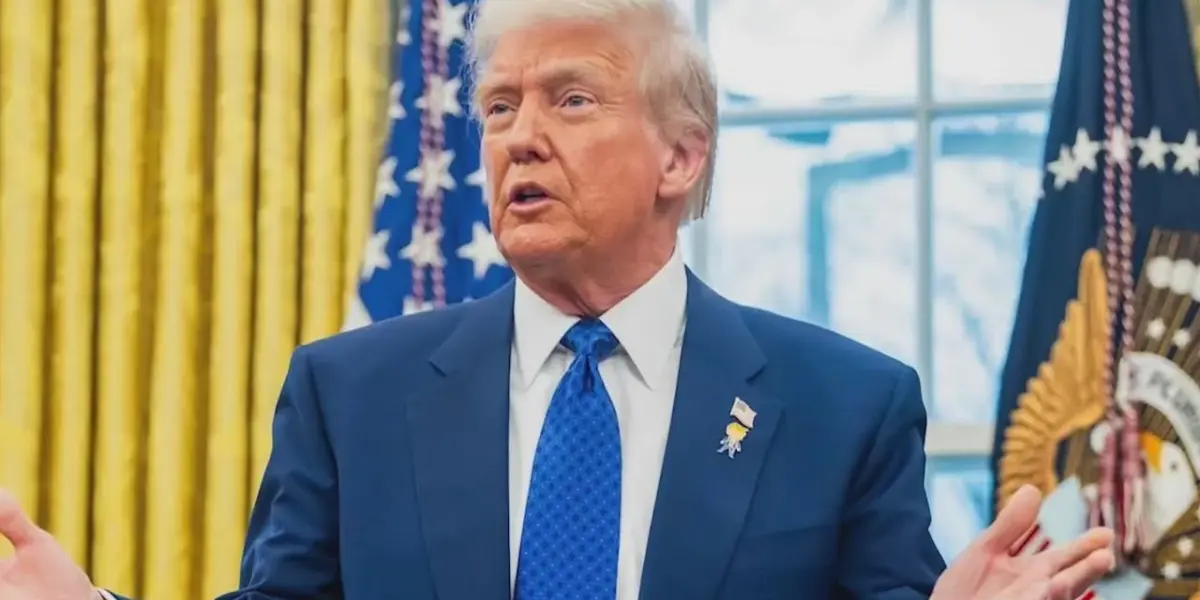
President Trump issued a stark warning to Iran, hinting at potential military action within 48 hours over the critical Strait of Hormuz. This statement dramatically increases tensions in a region vital for global oil supplies. The announcement suggests a possible escalation of U.S. military operations, though the exact nature of any planned action remains unclear.
Iran Faces Imminent U.S. Action
The President’s message, which included a religious phrase, signals that Iran should prepare for serious consequences. Analysts suggest several possible U.S. responses. These could range from increasing sanctions on Iran to launching targeted military strikes. One possibility is an attack on Iranian islands near the Strait of Hormuz to ensure continued freedom of passage. Another option could involve a special forces raid on a site to retrieve enriched uranium, a key concern for the U.S.
Search for Missing American Airman Continues
Amidst these threats, a search and rescue operation is underway for a missing American airman. Specialized U.S. special forces and reconnaissance soldiers are actively searching Iranian territory. These highly trained units are experts in rescue missions and are working to locate the pilot. The U.S. hopes for a successful recovery, emphasizing the pilot’s survival and preparedness for such situations.
Assessing U.S. Military Successes in Iran
Despite the current situation, U.S. military performance against Iran has been notable. The U.S. has conducted approximately 13,000 missions into Iranian territory over the past month without a single plane being shot down. This is considered extraordinary, especially given Iran possesses one of the world’s top ten largest military forces. Furthermore, only seven American soldiers have been killed during this period, with six of those deaths resulting from two planes colliding. These figures suggest a remarkably low casualty rate and a high degree of success in U.S. operations.
Internal Iranian Dissent and Potential Aid
There are indications that the Iranian regime faces significant opposition from its own people. A chief of staff for the exiled Iranian Crown Prince stated that ordinary Iranians might help a downed American airman. Members of the Crown Prince’s advisory team have even publicly encouraged the population to search for and assist the missing airman. This suggests that if the pilot is found by local citizens, there’s a good chance they would try to return him safely to U.S. forces.
Pilot Training and Survival Readiness
American pilots undergo extensive training for situations where their aircraft might be shot down. They are prepared to survive in hostile territory and have identification cards in multiple languages to communicate their identity if captured. The downed pilot, having survived the incident, is believed to be well-prepared to endure until rescue arrives. However, the success of any rescue mission depends heavily on where the pilot landed. If the crash site is near an Iranian Revolutionary Guard Corps (IRGC) military base, the rescue would be significantly more challenging.
Global Impact
Why This Reshapes the World Order
The escalating tensions around the Strait of Hormuz have profound global implications. This waterway is crucial for transporting oil from the Persian Gulf to the rest of the world. Any disruption could lead to significant spikes in oil prices, impacting economies worldwide. The U.S. threat to Iran, coupled with the ongoing search for the airman, highlights the volatile nature of the region. This situation could draw in other global powers and potentially destabilize international relations further.
Historical Context
The U.S. and Iran have a long history of complex relations, marked by diplomatic tensions and military standoffs. The current situation echoes past confrontations, particularly concerning control of the Strait of Hormuz. Iran has previously threatened to close the strait in response to international pressure. The U.S., in turn, has maintained a naval presence to ensure the free flow of commerce. This ongoing dynamic shapes the current geopolitical calculations.
Economic Leverage and Future Scenarios
Economic factors play a significant role in this conflict. Sanctions have been a primary tool used by the U.S. to pressure Iran. Control over vital energy routes, like the Strait of Hormuz, provides both sides with considerable economic leverage. Several future scenarios are possible. The U.S. might proceed with limited strikes, increase sanctions, or de-escalate the situation. Iran could respond with military action, diplomatic overtures, or by continuing its current policies. The outcome will depend on the strategic decisions made by leaders in Washington and Tehran, and how other global powers react.
Source: Trump warns Iran of possible action within 48 hours over Hormuz Strait | NewsNation Live (YouTube)

Related Articles
China Maps Seabed, Eyes Hawaii in Naval Power Play
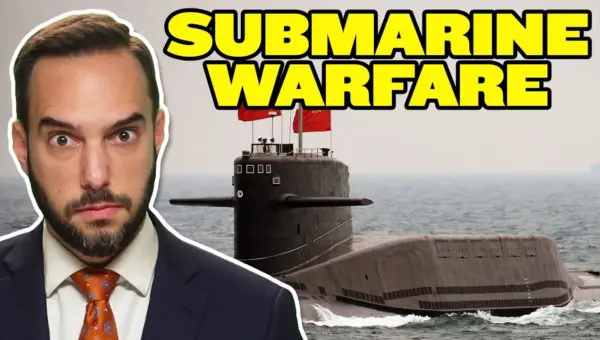
China's extensive seabed mapping in the Pacific, particularly around strategic areas like Guam and Hawaii, is raising concerns about its preparation for submarine warfare. This effort, often disguised as scientific research, aims to enhance China's naval capabilities and challenge US dominance in the region.
Russia Faces Last-Ditch Offensive, Internal Cracks
Russia may be launching a final major offensive in Ukraine as it faces mounting internal pressures. Analysts suggest this push is a last resort before significant manpower and financial issues arise. Meanwhile, increasing domestic information control and official criticism highlight growing cracks within the Russian establishment.


Trump Threatens Iran, Shaking Global Stability
Former President Trump's aggressive Easter Sunday warning to Iran has ignited global concerns, highlighting a volatile intersection of politics, religion, and foreign policy. The analysis explores the motivations behind such rhetoric, the deep divisions within American society, and the potential for severe economic and geopolitical repercussions worldwide.