US Bombers Strike Iran Amid Pilot Search, Escalating Tensions
U.S. B-2 stealth bombers have conducted significant strikes inside Iran amid an ongoing search for a missing F-15 pilot. The military action follows the reported downing of the pilot's aircraft and escalates regional tensions, with Israel also engaged in strikes while facing attacks. The situation remains volatile as a U.S. helicopter was destroyed in a separate incident.

US Bombers Strike Iran Amid Pilot Search, Escalating Tensions
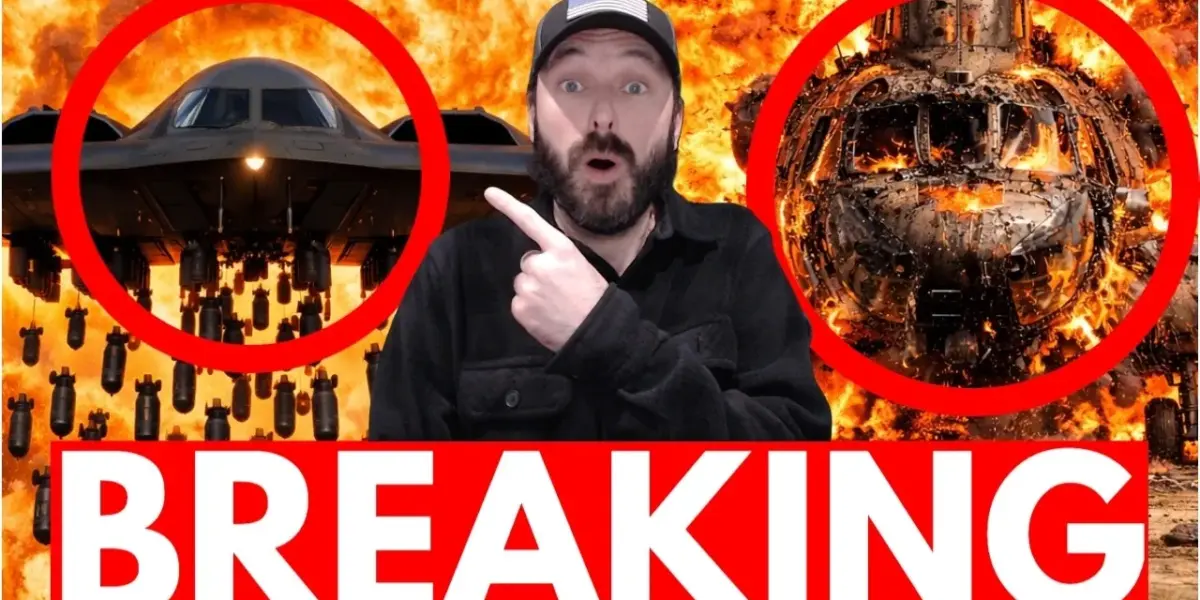
In a significant development, United States B-2 stealth bombers launched a series of strikes against targets within Iran overnight. This action comes as search efforts continue for a missing U.S. F-15 pilot whose aircraft was reportedly shot down. The U.S. Air Force and special operations forces have entered Iranian territory as part of the search and rescue mission. As of April 4th, the pilot’s whereabouts remain unknown.
The video footage shows multiple B-2 stealth bombers, at least three according to reports, taking off from the United States and flying across the Atlantic to conduct these strikes. The bombers were supported by refueling tankers during their long journey. The footage displays massive explosions, suggesting the targeting of underground facilities with powerful munitions, possibly 2,000-pound bunker busters. These strikes appear to be a direct response to Iran shooting down U.S. fighter jets.
Retaliation and Missing Pilot
The U.S. military’s response highlights a firm stance against being “bullied and pushed around by the Iranian regime.” The strikes targeted various locations, including a prochemical plant that was reportedly destroyed, leaving behind heavy black smoke. A spy center in Tehran was also hit. These actions signal a significant escalation in the ongoing tensions in the region.
Meanwhile, the search for the downed pilot continues. U.S. special operations and Air Force special operations are actively engaged in Iran. The concern is palpable regarding the pilot’s safety, especially if Iranian forces locate him before the U.S. does. The transcript poses a question about how the U.S. should proceed in such a scenario, indicating the high stakes involved.
Regional Conflicts Escalate
The situation is further complicated by simultaneous attacks in the Middle East. Israel has been striking Hezbollah targets in Lebanon, with footage showing the destruction of an Iranian missile launcher. However, Israel is also under attack. Overnight, cluster munitions rained down on Israel, causing significant damage. These weapons, described as “little bomblets” that “kill indiscriminately,” highlight the brutal nature of the conflict.
Iran has also continued its attacks on the United Arab Emirates (UAE), launching 23 ballistic missiles and 56 one-way attack drones. This marks the UAE as a frequent target in the region, though the strategy behind focusing on the UAE rather than Israel or U.S. locations is questioned.
Attacks on U.S. Assets
Adding to the escalating conflict, a U.S. base in Kuwait was attacked, resulting in the destruction of an American Chinook helicopter. The extent of casualties or injuries from this attack is currently unknown. This incident underscores the direct threat to U.S. assets in the region.
Trump’s Warning
Former President Donald Trump has weighed in on the situation, issuing a stern warning to Iran. He stated that Iran has 48 hours to “make a deal” or face dire consequences, implying that “all hell will rain down on them.” This adds another layer of pressure and uncertainty to the already volatile geopolitical climate.
Why This Matters
This series of events signifies a dangerous escalation in the Middle East. The U.S. military’s direct strikes inside Iran, coupled with ongoing regional conflicts and attacks on U.S. assets, point to a potential wider confrontation. The missing pilot adds a critical humanitarian and strategic element to the situation. The involvement of powerful B-2 stealth bombers indicates a serious commitment from the U.S. to project force and respond decisively to perceived threats. The involvement of multiple actors, including Israel and Iran-backed groups like Hezbollah, creates a complex web of alliances and enmities. Trump’s intervention further complicates the diplomatic landscape, potentially influencing future actions and negotiations.
Implications, Trends, and Future Outlook
The immediate implication is a heightened risk of a broader conflict. The use of advanced U.S. military assets like the B-2 bombers signals a willingness to employ significant force. The ongoing attacks on the UAE and Israel suggest a persistent threat from Iran and its proxies. The destruction of a U.S. helicopter raises concerns about the security of military bases in the region.
A concerning trend is the indiscriminate nature of some weapons used, such as cluster munitions, which pose long-term risks to civilians. The strategic focus on the UAE, while puzzling to some observers, indicates a persistent campaign of pressure. Looking ahead, the next 48 hours, as highlighted by Trump’s warning, could be critical in determining whether de-escalation is possible or if the conflict will intensify further. The fate of the missing pilot remains a key factor that could influence public and political responses.
Historical Context and Background
Tensions between the U.S. and Iran have a long and complex history, dating back to the 1979 Iranian Revolution. The region has been a focal point of geopolitical competition, with various incidents and proxy conflicts shaping the current dynamics. The use of advanced stealth bombers by the U.S. is not new, but their deployment for direct strikes inside Iran signifies a significant escalation from previous engagements, which often involved more limited actions or sanctions.
The conflict also involves regional players like Israel and groups such as Hezbollah, which have their own historical grievances and strategic objectives. The ongoing attacks, including ballistic missiles and drones, reflect Iran’s evolving military capabilities and its willingness to project power. The destruction of U.S. assets, like the helicopter, is a direct challenge to American presence and influence in the Middle East. The rhetoric from political figures like Donald Trump also taps into a history of strong stances on foreign policy, particularly concerning Iran.
Source: U.S. Bombers CRUSH Iran With Pilot Missing – Helicopter BLOWN UP (YouTube)

Related Articles
China Maps Seabed, Eyes Hawaii in Naval Power Play
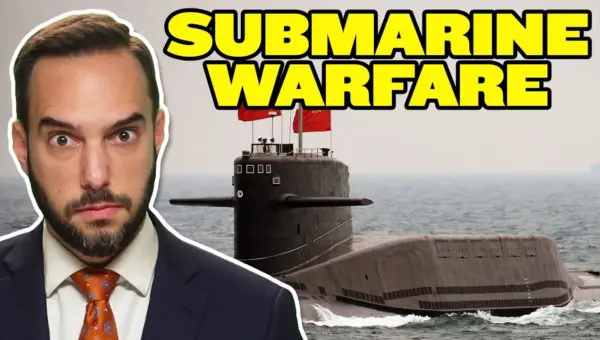
China's extensive seabed mapping in the Pacific, particularly around strategic areas like Guam and Hawaii, is raising concerns about its preparation for submarine warfare. This effort, often disguised as scientific research, aims to enhance China's naval capabilities and challenge US dominance in the region.

Russia Faces Last-Ditch Offensive, Internal Cracks
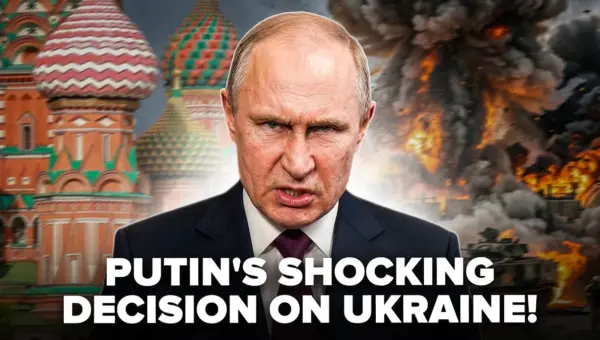
Russia may be launching a final major offensive in Ukraine as it faces mounting internal pressures. Analysts suggest this push is a last resort before significant manpower and financial issues arise. Meanwhile, increasing domestic information control and official criticism highlight growing cracks within the Russian establishment.

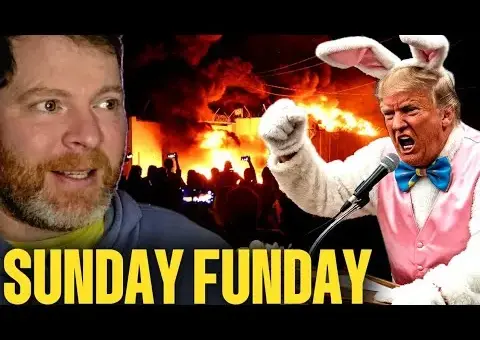
Trump Threatens Iran, Shaking Global Stability
Former President Trump's aggressive Easter Sunday warning to Iran has ignited global concerns, highlighting a volatile intersection of politics, religion, and foreign policy. The analysis explores the motivations behind such rhetoric, the deep divisions within American society, and the potential for severe economic and geopolitical repercussions worldwide.