Boom Supersonic Eyes Late Decade Flights, Funds Via Private Capital
Boom Supersonic is advancing its supersonic jet plans, relying on over $1 billion in private funding. The company is also generating revenue by adapting its engines for ground-based electricity generation, aiming for passenger flights by the end of the decade.

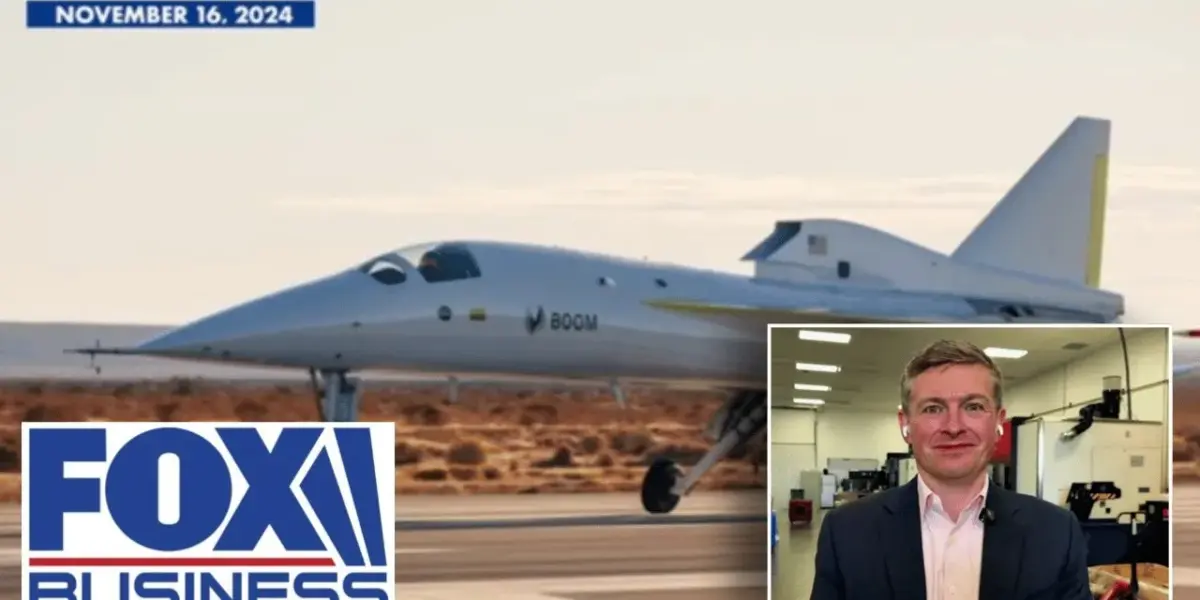
Boom Supersonic Pursues Private Funding for Supersonic Travel
Boom Supersonic, a company aiming to bring back supersonic passenger flights, is forging ahead with its ambitious plans, fueled entirely by private investment. The company recently celebrated a significant legislative victory: a bill to legalize supersonic passenger flights over the United States has advanced. This development could pave the way for drastically reduced travel times, potentially cutting journeys like New York to San Francisco down to just 30 minutes.
The key hurdle for supersonic flight has always been the sonic boom, a loud shockwave created when an aircraft breaks the sound barrier. However, Boom Supersonic claims to have solved this issue. They demonstrated a “low boom” supersonic flight last year, producing a sound significantly quieter than a traditional sonic boom. This technological breakthrough is what underpins the new legislation, making a return to supersonic travel a practical possibility.
Private Capital Over Government Support
Despite the potential for government funding, Boom Supersonic has deliberately chosen to rely on private capital. Blake Scholl, CEO of Boom Supersonic, emphasized this strategy, drawing a contrast with the Concorde project from the 1960s. Concorde, a government-backed initiative, ultimately resulted in an aircraft that was too expensive to operate and never achieved mainstream success. Scholl believes that privately led innovation, driven by capitalism, is the most effective path forward for supersonic aviation.
“The private industry needs to be in the lead,” Scholl stated, explaining the company’s decision. “If we look back at Concorde… it was a government project and that led to an airplane that was uneconomic. I think the way to move the future forward is capitalism.”
This commitment to private funding highlights a belief in market-driven solutions and the ability of private enterprise to innovate and deliver commercially viable products. Boom Supersonic has successfully raised over $1 billion from private investors, demonstrating strong confidence from the financial community.
Innovative Revenue Streams Drive Production
A significant and innovative aspect of Boom Supersonic’s funding strategy involves repurposing its supersonic engine technology. The company has discovered that its engines, designed for supersonic flight, can also be used on the ground as powerful electricity generators, particularly for Artificial Intelligence (AI) data centers. This dual-use capability has already generated substantial interest and orders.
Boom Supersonic has secured more than $1 billion in orders for its “SuperPower” units, which are supersonic engines adapted to produce clean electricity from natural gas on the ground. This venture provides the company with its first stream of revenue and profits, which will help fund the development and eventual production of the supersonic passenger jet.
The engine technology is remarkably versatile. By removing the fan from the front and attaching a power generator to the back, the same engine that produces 40,000 pounds of thrust for flight can generate 42 megawatts of electricity. This innovation not only provides a crucial financial boost but also showcases the company’s engineering prowess in creating adaptable and powerful technology.
Timeline for Supersonic Travel
Boom Supersonic is targeting the end of the decade for passengers to experience supersonic transcontinental flights. The company plans to begin production of its supersonic passenger aircraft in approximately two years. This timeline emphasizes a careful approach, prioritizing safety and avoiding any shortcuts in the development process.
“We will do this as quickly as we can without skipping any steps or compromising our safety,” Scholl assured. The company is currently building its first independent supersonic engine, a complex undertaking that involves manufacturing difficult parts from raw materials. This engine represents a significant milestone in American aviation innovation for the 21st century.
Market Impact and Investor Outlook
Boom Supersonic’s strategy of relying on private capital and diversifying revenue streams through engine technology is a noteworthy approach in the aerospace industry. This model suggests a strong belief in the commercial viability of supersonic travel, driven by market demand rather than government subsidies.
The success of their SuperPower electricity generation units could provide a stable financial foundation, reducing the risk associated with the long and expensive development of a new passenger aircraft. For investors, this dual-revenue strategy might offer a more attractive risk-reward profile compared to projects solely reliant on future passenger revenue.
The ability to generate revenue from ground-based power generation while simultaneously developing the aircraft could accelerate progress and reduce the overall capital required. This innovative financial model, combined with the legislative progress on sonic boom regulations, positions Boom Supersonic as a company to watch in the evolving landscape of air travel.
Source: Boom REJECTS government funding, doubles down on PRIVATE capital (YouTube)

Related Articles


NASA’s Artemis II Ignites Historic Moon Journey
NASA's Artemis II mission is set to launch, marking the first crewed voyage around the Moon in over 25 years. The mission features a historic crew and showcases cutting-edge rocket and spacecraft technology. Its success has significant implications for the future of space exploration and the aerospace industry.


China Turns Old Jets Into Deadly Drones for Taiwan Attack
China is turning old J6 fighter jets into pilotless drones, ready to attack Taiwan. This strategy aims to force Taiwan to waste expensive missiles. These drones are a real threat, not just a show of force.


SpaceX IPO Rumors Swirl, Investors Eye Potential Windfall
Speculation is intensifying around a potential Initial Public Offering (IPO) for SpaceX. While no official date is set, the prospect of investing in the innovative aerospace company excites many. Investors should understand the unique risks and long-term growth potential associated with SpaceX's ambitious ventures.