Vance’s MAGA Hat Stumble Fuels Loyalty Fears
Usha Vance's recent NBC interview, where she hesitated when asked about owning a MAGA hat, has sparked debate. The incident is viewed by some as a failure of a "Trump loyalty test," potentially impacting her husband's political career. The analysis delves into the symbolic meaning of the MAGA hat and the broader trend of loyalty demands in politics.

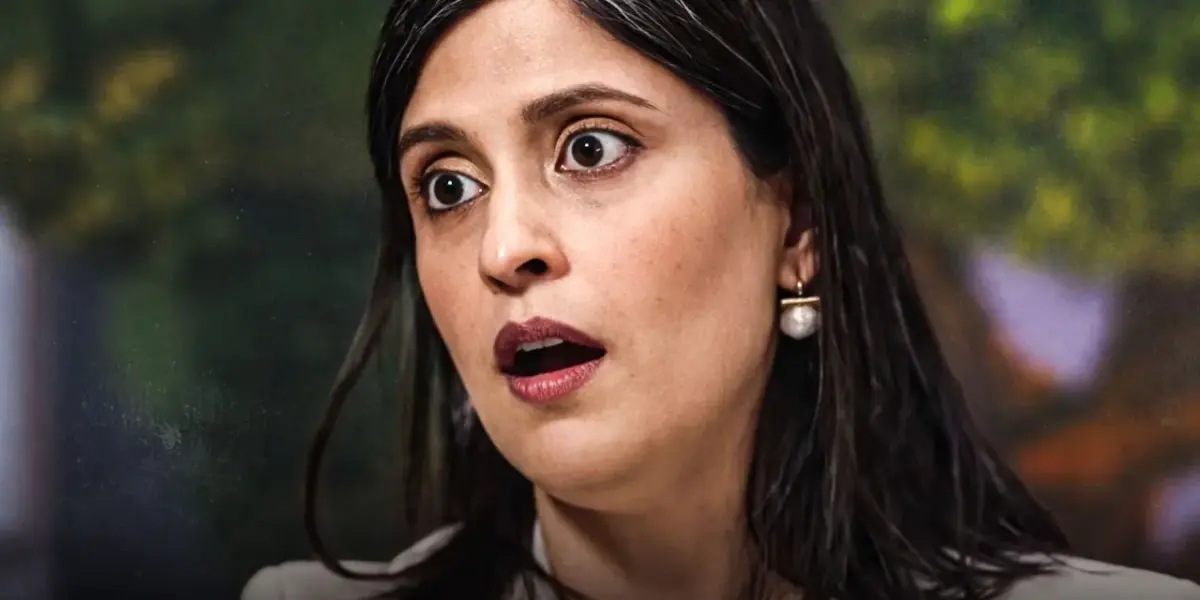
Usha Vance’s NBC Interview Sparks Questions
Usha Vance, wife of Vice President J.D. Vance, recently sat down for an interview on NBC News. The conversation, however, took a turn that has raised eyebrows and sparked discussion about political loyalty.
A Strained Start
Early in the interview, Vance spoke about her support for her husband’s career. She stated, “I really care greatly about JD’s success that I I want him to be able to pursue the ideas that I think are really going to help people live better lives, especially people like where he came from. And so, we’re having a good time doing it.” The speaker in the original video criticized this statement, suggesting it sounded out of touch with the struggles of everyday Americans, such as high prices for groceries and gas. The phrase “we’re having a good time” was highlighted as particularly jarring when discussing policies that might affect many people negatively.
The MAGA Hat Test
The interview took a more pointed turn when NBC anchor Kate Snow asked Vance a direct question: “Do you own a MAGA hat?” This question seemed to catch Vance off guard. She paused for several seconds, appearing stunned, before finally responding with a stammer. “Um, I I don’t really own any hats,” she said. “I I think I have a Disneyland hat. I I want to say.” Snow simply replied, “I just wondered,” and Vance added, “Not a hat, lady.” The speaker felt this response was a failure of a “Trump loyalty test.”
The Significance of the Hat
The analysis suggests that owning a MAGA hat is more than just possessing an item of clothing. It’s seen as a symbol of support for Donald Trump and a way to financially contribute to his campaigns by purchasing merchandise from his website. The speaker argued that Vance’s hesitation and uncertain answer indicated a lack of genuine commitment. A simple, quick response like “I don’t wear hats” would have been more convincing than a stammered admission of owning a Disneyland hat. The delay in her answer was interpreted as a sign of discomfort or a failure to align herself fully with Trump’s base.
Potential Consequences for J.D. Vance
The core concern raised is how this perceived loyalty slip might impact Vice President J.D. Vance’s political future. The speaker suggested that Donald Trump, who is known to expect strong loyalty from his allies, might view this as a betrayal. This could lead to Trump withdrawing support or creating obstacles for J.D. Vance. The implication is that Vance’s career, particularly within a Trump-aligned Republican party, could suffer. The speaker also made a grim prediction about the long-term prospects for J.D. Vance’s political career after the current administration ends, suggesting that the political climate surrounding the Trump movement is seen as “toxic” and widely disliked according to polls.
Why This Matters
This interview highlights the intense pressure for political figures and their families to demonstrate unwavering loyalty to party leaders, especially in a highly polarized environment. The MAGA hat, in this context, becomes a potent symbol. For those seeking or maintaining political power within certain factions of the Republican party, passing these informal loyalty tests is crucial. Usha Vance’s reaction, whether due to genuine indecision or strategic ambiguity, has been interpreted by some as a sign of weakness or a lack of full commitment. This incident underscores how personal associations and symbolic gestures can become significant political liabilities, potentially affecting not just the individual but also their spouse’s career trajectory. It also raises questions about the authenticity of political endorsements and the true beliefs of public figures when faced with symbolic tests of allegiance.
Historical Context
The concept of loyalty tests in politics is not new. Throughout history, political parties and leaders have sought to ensure their members and allies are fully committed to the cause. During the Cold War, for example, accusations of communist sympathies could ruin careers, and individuals were often pressured to publicly denounce such ideologies. In more recent times, within various political movements, the demonstration of support through specific symbols, rhetoric, or actions has become a common way to gauge allegiance. The MAGA movement, in particular, has developed its own set of recognizable symbols and expectations, making them a focal point for assessing loyalty among those associated with it.
Trends and Future Outlook
The incident with Usha Vance points to a continuing trend of intense scrutiny on the personal lives and public statements of political figures and their families. As social media and 24/7 news cycles amplify every interaction, even seemingly minor moments can be blown up into major political narratives. For politicians aligned with figures like Donald Trump, navigating these loyalty demands will likely remain a critical challenge. The future may see even more emphasis placed on these symbolic gestures of allegiance, potentially forcing individuals to make clearer, more public declarations of support. The risk for politicians is that failing these tests, or appearing to fail them, could alienate key voting blocs or powerful figures within their own party, as suggested in the analysis of Vance’s situation.
Conclusion
Usha Vance’s interview moment, while brief, has become a talking point in the ongoing political discourse. It serves as a reminder of the high stakes involved in political alliances and the symbolic power of even simple objects like a MAGA hat. Whether this incident has lasting repercussions for J.D. Vance’s career remains to be seen, but it certainly illustrates the complex dynamics of loyalty and public perception in modern politics.
Source: Usha Vance STUNNED SILENT During Interview (YouTube)

Related Articles
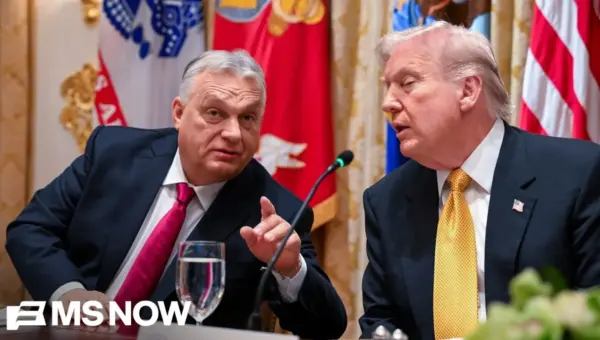
Vance Visits Hungary: A ‘Model’ for Trump’s America?
Vice President J.D. Vance's visit to Hungary signals support for Prime Minister Viktor Orban, raising questions about the U.S. embrace of Orban's governance model. Expert Anne Applebaum criticizes the move, linking it to a MAGA agenda for a European right-wing alliance and highlighting Orban's record of corruption and authoritarianism. The visit occurs amid concerns about Hungary's alignment with Russia and its impact on NATO cohesion.
Trump Directs Vance to Target Blue States for Fraud Investigations
President Trump has appointed J.D. Vance to lead a new national task force focused on investigating fraud, with a stated emphasis on Democratic-led states. Trump claims these efforts could significantly impact the national budget if successful.
Trump’s Iran War Speech Misses Mark, Creates Chaos
President Trump's primetime address on the Iran War failed to provide clear strategy, instead highlighting domestic political divisions and economic distortions. The war's focus on economic impacts overshadows military realities and affects 2028 presidential prospects like J.D. Vance. Tensions also simmer within NATO.