London’s Safety Under Scrutiny Amid Crime Claims
London's safety is a topic of debate, with some politicians claiming rising crime while official data shows a decline in violent offenses. Community groups and enhanced police efforts are working to address concerns, particularly regarding theft.

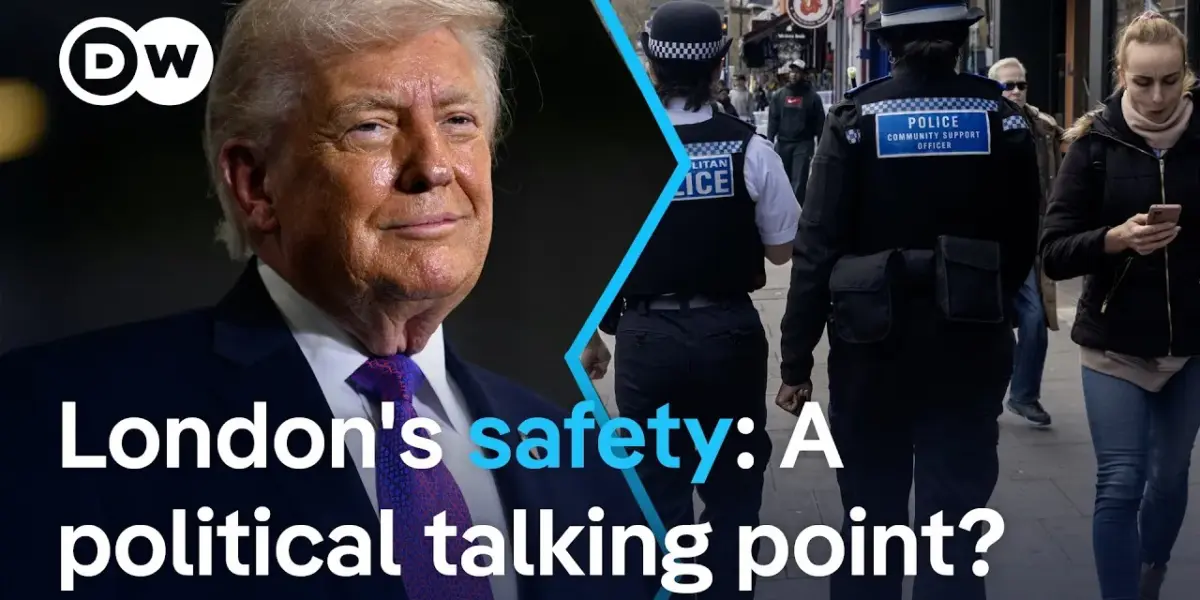
London’s Nightlife: A Tale of Two Realities
London, a global hub known for its vibrant nightlife, faces questions about its safety. While many residents feel secure, some politicians paint a picture of a city gripped by crime. This contrast highlights a complex reality for one of the world’s largest metropolises.
Voices on the Streets
For many Londoners, the city feels safe, especially when they are with friends. “As a Londoner living in London, I’ve personally never had any problems at all,” shared one resident. Another added, “If you have your wits about you, then you’re chilling in it.” This sentiment suggests that personal vigilance plays a key role in feeling secure.
Political Rhetoric vs. Official Data
However, a different narrative is being pushed by some right-wing politicians. They claim London is a crime hotspot, with one stating, “Look at the crime you have in London.” Another politician declared, “I think we’re living in lawless London. And I think one of the reasons people are fleeing our city is not just tax, it’s fear of crime.” These statements raise concerns about whether London’s reputation as a safe global city is indeed crumbling.
Community Efforts Enhance Safety
Amidst these concerns, community initiatives are actively working to ensure people’s safety. Emmanuela Feder leads “Night Stars,” a group of volunteers in central London who help partygoers get home safely. The volunteers look out for individuals, especially women who may be inebriated or disoriented. “We keep a lookout to see if anyone needs help. We tend to typically look at the ground to see if anyone’s on there,” Feder explained. They offer assistance like providing water, a safe space to sober up, and help reconnecting with friends and family.
Official Crime Statistics Offer a Different View
Official data presents a more nuanced picture than some political claims suggest. While knife attacks have made headlines, the overall level of serious violent crime has seen a decline. Homicide rates, for instance, are at their lowest in over a decade. When compared to other major global cities, London is statistically safer. “London is far safer than many cities across the US. What’s less wellknown is that actually when it comes to violent crime, London is safer than Paris, Berlin, Madrid, Brussels on a per capita basis,” noted an observer. This suggests that London’s negative reputation for crime is often unfair.
The Rise of Theft and Police Response
Despite the decrease in violent crime, theft is on the rise. Supermarkets have resorted to adding anti-theft devices even to everyday household items. Phone theft has become a common issue, with over 70,000 cases recorded in 2025. In response, authorities launched a crackdown in early 2026, leading to over 200 arrests. London’s mayor emphasized the need for action, stating, “If we want people to feel safe in our city, we simply can’t allow the perpetrators to get away with it.” He highlighted investments in technology to help catch criminals.
Security Measures and Resource Allocation
London is increasing its security presence with plans to add 13,000 police officers to its streets. The city already has an extensive network of security cameras, making it one of the most surveilled cities globally. However, these enhanced security measures raise concerns about resource allocation. “A lot of the officers working on those cases would ordinarily be working in drug trafficking, knife crime um investigations teams. And so um that resource is being pulled from elsewhere,” pointed out an analysis of the situation. This suggests that focusing on theft might reduce resources available for other types of crime.
Community and Official Collaboration
Groups like Night Stars work closely with both police and private security staff employed by local businesses. This collaboration creates a layered approach to safety. Feder expressed optimism, stating, “Compared to other big cities, yeah, I think it’s quite it’s doing quite well and it’s quite nice. And even still, like there’s so many different initiatives that people have come up with, not just us and but like other companies and organizations that are doing what they can to make the place safer for people.”
Conclusion: A Relatively Safe City
Overall, London appears to be a relatively safe city, especially when considering its size and global status. While challenges like rising theft exist, and political discourse often focuses on negative aspects, official data and community efforts paint a picture of a city actively working towards safety. The perception of safety is influenced by both statistical reality and individual experiences, with many Londoners and visitors finding it a secure place to live and explore.
Source: How safe is London really? | Focus on Europe (YouTube)

Related Articles

NYC Faces Gun Violence Crisis After Infant’s Death
A 7-month-old baby was killed by a stray bullet in Brooklyn, sparking outrage and renewed focus on gun violence in New York City. Police have identified a suspect but are still searching for an accomplice, highlighting ongoing safety concerns.

Trump Declares Memphis Crime War Won
President Trump has declared victory in his crime-fighting efforts in Memphis, Tennessee, following the success of the federal SAFE Task Force. Launched in September, the task force involved thousands of officers and led to thousands of arrests and firearm seizures. The initiative aimed to tackle the city's high violent crime rate.


Trump’s Crime Task Force Faces Scrutiny in Memphis
President Trump's Memphis SAFE Task Force has reported thousands of arrests and seizures. However, its long-term success is debated, with some local officials questioning crime statistics and suggesting community-based approaches were already working. The initiative highlights ongoing national discussions about federal intervention in local crime.