US Airmen Train for War’s Worst-Case Scenarios
U.S. service members undergo years of intense survival, evasion, and rescue training to prepare for unexpected emergencies. This preparation includes rigorous drills, hand-to-hand combat, and critical survival gear. The ongoing search for an airman in Iran highlights the vital importance of these life-saving programs.

US Airmen Train for War’s Worst-Case Scenarios
U.S. service members spend years preparing for the unexpected. This preparation includes intense survival drills and evasion and rescue scenarios. They learn to handle the unknown, equipped to respond to any situation. This training is crucial for moments like the ongoing search for an airman in Iran.
Survival Training Prepares Pilots for Danger
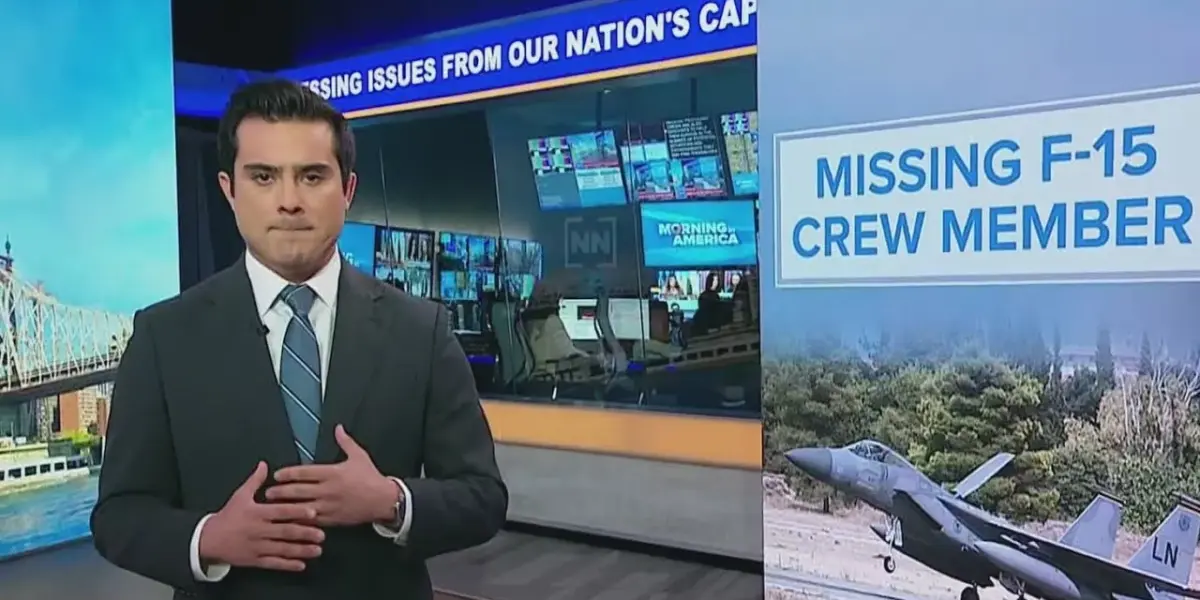
Pilots and crews in the U.S. Armed Forces undergo rigorous training to increase their odds of surviving a crash. This involves survival training in challenging environments like the open ocean, deserts, and remote wilderness. In addition to survival skills, they also receive hand-to-hand combat training. Crew members, like those in a downed F-15, are prepared for emergencies. The search and rescue crews sent to find them are equally trained for these difficult missions.
Expert Insights on Airman Preparedness
Major Thomas Stanford, a rescue pilot, spoke about the training airmen receive. He noted that these individuals expect such risks as part of their job. Scott O’Grady, who survived six days after being shot down over Bosnia in 1995, also shared his experience. He described these airmen as fearless, expecting that dangerous situations might occur and having plans in place. The training is constant, involving hours, months, and years of preparation.
Critical Equipment Aids Survival
Training alone is not enough; survival equipment is critical. Aircrews are given survival kits to help them endure various potential situations and environments. These kits include communication devices like radios and signal mirrors to contact rescue crews. They also contain night vision equipment to help spot rescuers in the dark. Standard survival gear includes blades, axes for shelter building and defense, and tools for finding food. For injured crew members, medical supplies are included to provide immediate treatment before rescue arrives.
Annual Refreshers Ensure Readiness
All Air Force pilots are trained to use this life support equipment. They undergo annual refreshers to ensure they remain ready for emergencies. While the condition of the missing airman in Iran is unknown, survival is often possible after an initial crash. The training and equipment are designed to give them the best chance. However, there is no substitute for the real experience of an emergency ejection, which is a terrifying event that can only be truly understood when it happens.
Global Impact
The ongoing search for a U.S. airman in Iran highlights the critical importance of military preparedness. This situation underscores how advanced training and survival gear are not just theoretical exercises but life-saving tools. The dedication of airmen to undergo such intense preparation, and the commitment of search and rescue teams to face danger to bring them home, reflects a broader commitment to personnel recovery. This capability is essential for maintaining military readiness and projecting power globally, as it reassures allies and deters adversaries by demonstrating resolve and capacity.
Historical Context
The concept of survival training for downed airmen has a long history, dating back to World War II. Following the war, organizations like the U.S. Air Force’s SERE (Survival, Evasion, Resistance, Escape) program were developed. These programs evolved significantly, especially during the Cold War, to prepare aircrews for potential capture and interrogation in hostile territories. The experience of pilots like Scott O’Grady in Bosnia in the 1990s shows that these training methods remain vital in modern conflicts.
Future Scenarios
The incident in Iran, though not detailed in the transcript, points to potential future scenarios. If the airman is successfully recovered, it reinforces the effectiveness of U.S. training and equipment. If the situation becomes more complex, it could lead to increased diplomatic tensions or even localized military actions. The ability to conduct search and rescue operations in denied or hostile airspace remains a key challenge and a test of military capabilities. Future training may adapt to incorporate lessons learned from such incidents, focusing on enhanced electronic warfare countermeasures and more sophisticated survival techniques in contested environments.
Source: What military aircrews are taught in training as search continues for airman in Iran | Morning in Am (YouTube)

Related Articles
China Maps Seabed, Eyes Hawaii in Naval Power Play
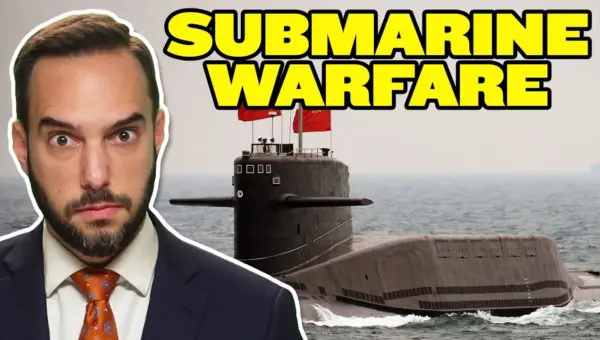
China's extensive seabed mapping in the Pacific, particularly around strategic areas like Guam and Hawaii, is raising concerns about its preparation for submarine warfare. This effort, often disguised as scientific research, aims to enhance China's naval capabilities and challenge US dominance in the region.


Russia Faces Last-Ditch Offensive, Internal Cracks
Russia may be launching a final major offensive in Ukraine as it faces mounting internal pressures. Analysts suggest this push is a last resort before significant manpower and financial issues arise. Meanwhile, increasing domestic information control and official criticism highlight growing cracks within the Russian establishment.


Trump Threatens Iran, Shaking Global Stability
Former President Trump's aggressive Easter Sunday warning to Iran has ignited global concerns, highlighting a volatile intersection of politics, religion, and foreign policy. The analysis explores the motivations behind such rhetoric, the deep divisions within American society, and the potential for severe economic and geopolitical repercussions worldwide.