US Claims Iran War Victory, Shifts Focus to Domestic Battles
The Trump administration has declared victory in Operation Epic Fury, but experts question the strategic success amid economic pressures and domestic priorities. The focus is shifting to internal challenges, including "lawfare" and economic recovery, as the U.S. navigates a complex geopolitical landscape.

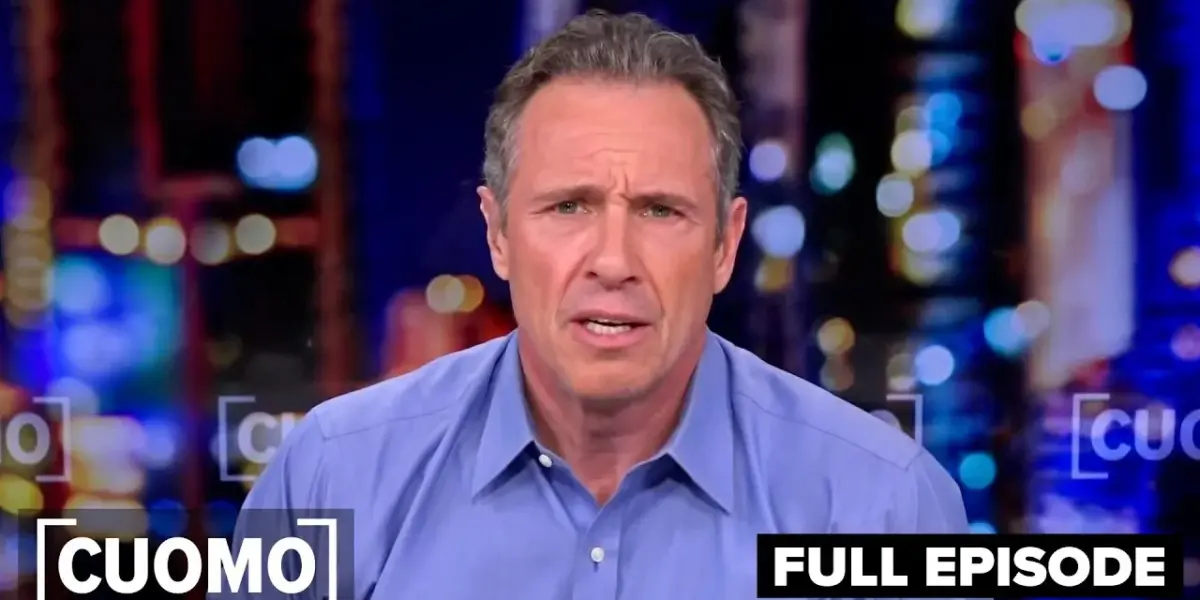
US Claims Iran War Victory, Shifts Focus to Domestic Battles
Trump Declares End to Operation Epic Fury Amid Strategic Doubts
The Trump administration has declared the end of Operation Epic Fury in Iran, with President Trump announcing a decisive victory. However, this declaration comes amidst significant strategic doubts from foreign policy experts and raises questions about the actual outcomes of the prolonged military engagement. The operation, which lasted one month, was framed by President Trump as a success, promising to hit adversaries hard and bring them back to the “stone ages.” Yet, the rhetoric clashes with the complex reality on the ground and the potential for unintended consequences.
Geopolitical Uncertainty and Strategic Setbacks
While the administration claims the war is “all but over,” analysts like Aaron David Miller, a former Middle East peace negotiator, express deep concern. Miller worries the conflict could extend beyond the stated timeline and fears a strategic defeat for the United States. He points to the survival of the Iranian regime, the unresolved issue of highly enriched uranium, and the ongoing control of vital shipping straits as evidence of setbacks. The ability of Iran to control the straits, acting as a “toll booth,” is seen as a significant strategic disadvantage for global trade and U.S. influence.
Economic Hardship and Domestic Priorities
The conflict has imposed economic hardship on the U.S., with costs estimated at a billion dollars a day. Tariffs alone have reportedly contributed significantly to inflation, impacting small businesses disproportionately. These economic pressures are becoming a central focus, with a growing sentiment that the administration needs to pivot away from foreign entanglements and address domestic issues. The call to “Fix America First” is gaining traction, suggesting that the focus should shift to economic recovery, job creation, and addressing the cost of living.
Internal Politics and the “Lawfare” Debate
The political landscape is also marked by internal turmoil. The firing of Pam Bondi, former Florida Attorney General, has become a point of contention. Bondi was reportedly removed for not pursuing “lawfare” aggressively enough, a term suggesting the use of legal and judicial systems to target political opponents. This move fuels the debate about the politicization of the Department of Justice and raises questions about accountability and fairness within the legal system. The Epstein case, with its potential to reveal corruption at high levels, adds another layer of complexity to these internal political battles.
Shifting Alliances and Future Scenarios
The geopolitical implications extend to international alliances. Benjamin Netanyahu, the leader of Israel, is reportedly prioritizing his own re-election over immediate geopolitical objectives concerning Iran. This suggests a pragmatic approach to foreign policy, where domestic political survival often takes precedence over broader strategic goals. The possibility of future ground troop deployment remains a concern, with some analysts estimating a 55-60% chance. Such a move could further destabilize the region and have significant economic repercussions, particularly for China, a major importer of Iranian oil.
Global Impact: Why This Reshapes the World Order
The current situation highlights a broader trend of shifting global power dynamics. The U.S. appears to be seeking an exit from a costly foreign conflict, driven by domestic economic pressures and political considerations. This pivot, if sustained, could create opportunities for other global powers to increase their influence. The emphasis on “Fix America First” suggests a potential move towards a more protectionist and inwardly focused foreign policy, which would have significant implications for international trade, security alliances, and the overall structure of the global order. The administration’s approach to Iran, whether perceived as a victory or a strategic failure, will undoubtedly shape future U.S. foreign policy decisions and its role on the world stage.
Historical Context: The Echoes of Past Interventions
The current situation in Iran echoes past U.S. interventions in the Middle East, marked by ambitious objectives and complex, often unintended, consequences. The rhetoric of bringing adversaries to the “stone age” and the difficulty in achieving clear strategic objectives without significant civilian cost recall the challenges faced in previous conflicts. The debate over “lawfare” and the use of the justice system for political ends also has historical precedents, raising concerns about the erosion of democratic norms and institutions.
Economic Leverage: Tariffs, Sanctions, and Trade Routes
Economic factors are central to the ongoing geopolitical calculus. The use of tariffs has demonstrably hurt U.S. importers, particularly small businesses, and contributed to inflation. The control of vital shipping lanes like the Strait of Hormuz represents a critical point of economic leverage. Iran’s ability to disrupt or control these routes has far-reaching implications for global energy markets and international trade, demonstrating how economic tools can be wielded as instruments of geopolitical pressure.
Future Scenarios: Exit, Escalation, or Stalemate
Several future scenarios are possible. The administration might successfully extricate itself from the conflict, focusing entirely on domestic issues. Alternatively, the situation could escalate, leading to further military engagement and potential ground troop deployment. A prolonged stalemate, with ongoing regional instability and economic repercussions, is also a distinct possibility. The effectiveness of the U.S. in achieving its stated objectives, particularly regarding Iran’s nuclear program and regional influence, will be crucial in determining the long-term outcome.
Source: Trump Claims Iran War Win, Pam Bondi Fired, Whistleblower Slams Guthrie Search | CUOMO Full Show 4/2 (YouTube)

Related Articles
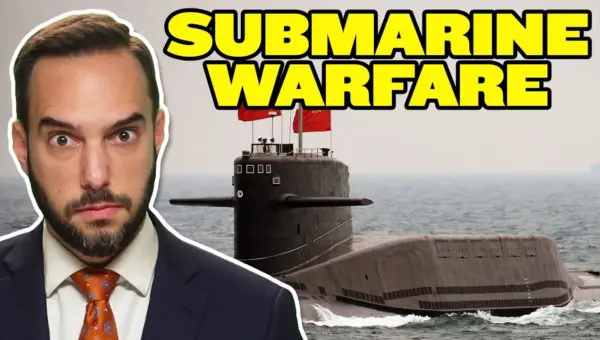
China Maps Seabed, Eyes Hawaii in Naval Power Play
China's extensive seabed mapping in the Pacific, particularly around strategic areas like Guam and Hawaii, is raising concerns about its preparation for submarine warfare. This effort, often disguised as scientific research, aims to enhance China's naval capabilities and challenge US dominance in the region.

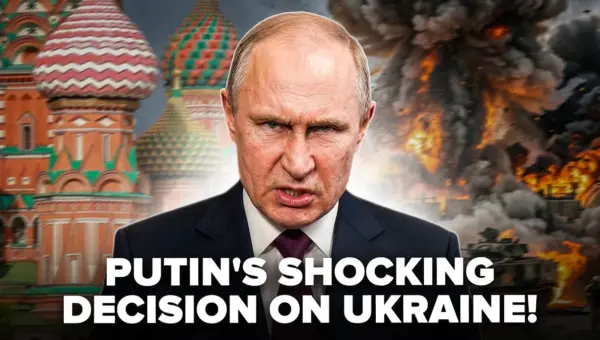
Russia Faces Last-Ditch Offensive, Internal Cracks
Russia may be launching a final major offensive in Ukraine as it faces mounting internal pressures. Analysts suggest this push is a last resort before significant manpower and financial issues arise. Meanwhile, increasing domestic information control and official criticism highlight growing cracks within the Russian establishment.


Trump Threatens Iran, Shaking Global Stability
Former President Trump's aggressive Easter Sunday warning to Iran has ignited global concerns, highlighting a volatile intersection of politics, religion, and foreign policy. The analysis explores the motivations behind such rhetoric, the deep divisions within American society, and the potential for severe economic and geopolitical repercussions worldwide.