Artemis II Crew Circles Moon, Paving Way for Lunar Return
The Artemis II mission successfully sent four astronauts on a historic journey around the Moon, testing the Orion spacecraft and paving the way for future lunar landings. Meanwhile, SpaceX continues rapid development of its Starship program, and Falcon 9 rockets achieve new milestones in launch and reusability.

Artemis II Crew Circles Moon, Paving Way for Lunar Return
For the first time in over 53 years, humans are once again traveling to the Moon. The Artemis II mission, launched on November 16, 2023, carries a crew of four astronauts on a historic journey around Earth’s natural satellite. This mission is not just a symbolic return to lunar space but a crucial testbed for the technologies and procedures needed for future deep-space exploration, including landing humans back on the Moon.
A Crew for a New Era
The Artemis II crew is a diverse and highly skilled team. Commander Reid Wiseman, a seasoned astronaut, leads the mission. He is joined by Pilot Victor Glover, who previously flew to the International Space Station on the Crew-1 mission. Mission Specialist Christina Koch, who holds the record for the longest single spaceflight by a woman, brings extensive experience from her year-long stay on the ISS. Rounding out the crew is Jeremy Hansen of the Canadian Space Agency, making history as the first Canadian to venture beyond Earth orbit.
Each crew member understands the gravity of their mission. They are pushing the boundaries of human spaceflight, testing the Orion spacecraft in conditions it has never experienced before. Unlike missions to the International Space Station, where astronauts can return to Earth in a matter of hours, the Artemis II crew will be days away from home, facing the profound implications of any potential issue.
Orion: The Lunar Explorer
The Orion spacecraft is the centerpiece of the Artemis II mission. It is designed to carry astronauts farther into space than any previous human-rated vehicle. During the mission, the crew will conduct numerous tests, including manual control operations, to ensure Orion is ready for the demands of lunar missions. These tests are vital for NASA and its commercial partners to refine systems and prepare for subsequent Artemis missions, including Artemis III, which aims to land astronauts on the lunar surface.
The mission profile includes a trans-lunar injection burn, propelling Orion out of Earth’s orbit and towards the Moon. The journey involves several critical maneuvers, such as deploying solar arrays for power and performing engine burns to adjust its trajectory. One of the most visually stunning parts of the mission was Orion’s “backflip” maneuver, where Pilot Victor Glover, using manual controls, simulated a rendezvous and docking procedure with the spent Interim Cryogenic Propulsion Stage (ICPS). This test was performed at a distance of about 30 feet (9 meters), showcasing the spacecraft’s agility and the crew’s proficiency.
Milestones and Challenges
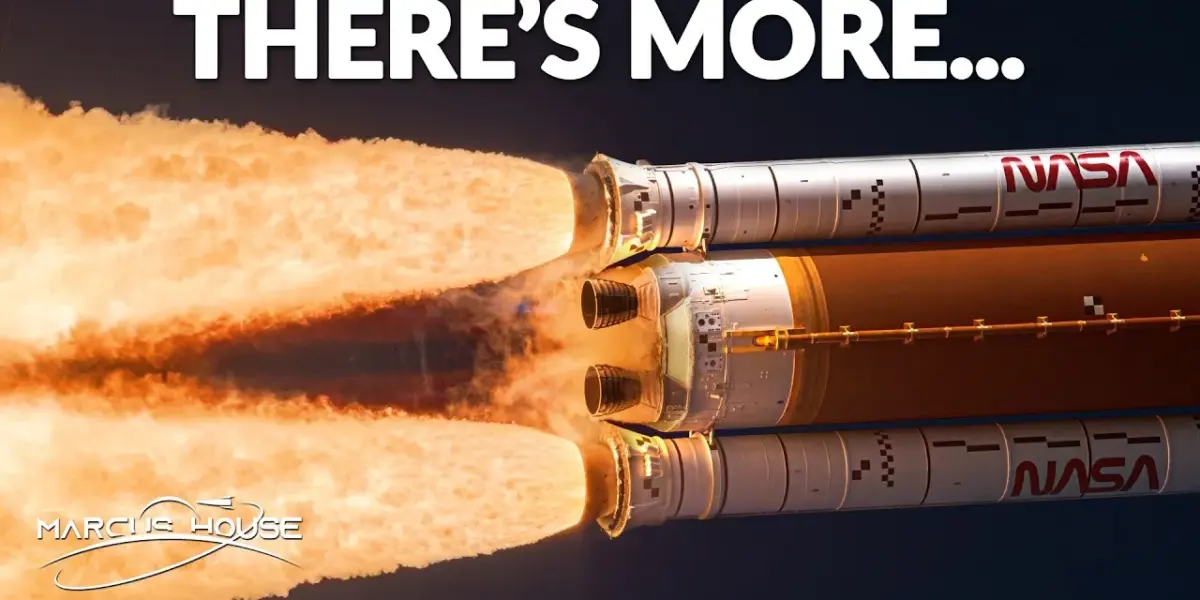
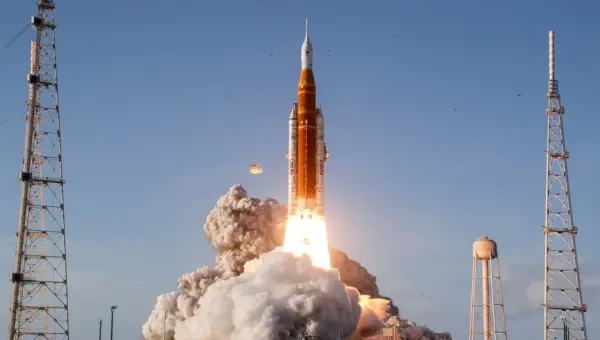
The launch of Artemis II on the powerful Space Launch System (SLS) rocket was a spectacle of engineering might. The SLS, NASA’s most powerful rocket to date, successfully lifted Orion and its crew off Launch Pad 39B at the Kennedy Space Center. The initial ascent phase involved the separation of solid rocket boosters and the core stage, followed by the jettisoning of the fairings and the launch abort system.
While the mission has been largely successful, there were minor challenges. A blinking fault light related to the toilet system in Orion required troubleshooting, with Mission Specialist Christina Koch playing a key role in resolving the issue. Such everyday problems become critical in the isolated environment of space. Additionally, minor issues with a water valve and Microsoft Outlook software were encountered, highlighting the complexities of operating advanced technology far from Earth.
Looking Ahead: The Path to the Moon and Beyond
The Artemis II mission is expected to last approximately 10 days, culminating in a splashdown in the Pacific Ocean. The data gathered and the experience gained from this flight will be invaluable for future Artemis missions. Artemis III is planned to land astronauts near the lunar south pole, marking humanity’s return to the Moon’s surface after decades.
Beyond Artemis, the success of missions like this fuels broader ambitions for space exploration. It lays the groundwork for sustained human presence on the Moon and eventual missions to Mars. By testing and refining the systems needed for deep space travel, Artemis II is a vital step in humanity’s ongoing journey to explore the cosmos.
SpaceX Updates: Starship Progress
In parallel with NASA’s lunar endeavors, SpaceX continues to make significant strides with its Starship program at Starbase, Texas. The company is preparing for the first flight of Starship version 3, with Booster 19 and Ship 39 inching closer to their launch date. Recent progress includes the arrival of Raptor 3 engine number 87 at the McGregor Testing Facility and the ongoing stacking of Booster 20.
SpaceX is also upgrading its launch and testing facilities. This includes modifications to the propellant tanks at Masseys, the preparation of the flame trench for static fire tests, and the installation of new manifold systems. The launch site is seeing extensive work on methane lines and the expansion of tank farms, indicating a rapid build-up towards larger test campaigns. The integration of a new roof section on the launch tower and extensive cladding work are also underway, enhancing protection for the internal systems. Testing of the tower arms and deluge systems suggests readiness for major integrated tests, including full 33-engine static fires.
Falcon 9 Continues its Streak
SpaceX’s workhorse, the Falcon 9 rocket, also had a busy week. A Transporter mission successfully launched 119 payloads into sun-synchronous low Earth orbit, featuring diverse payloads from various countries and organizations, including the significant Gravitas satellite with a powerful electric thruster. Booster 1093 achieved its 12th landing on this mission.
Meanwhile, Booster 1067 marked its 34th flight, launching Starlink satellites. This booster continues to lead the fleet in reusability, demonstrating SpaceX’s ongoing advancements in rocket longevity. Despite a recent anomaly with a Starlink satellite resulting in a loss of communication, SpaceX continues its rapid deployment schedule with additional Starlink missions. Another Falcon 9 launch, carrying 29 Starlink satellites, saw Booster 1085 achieve its 15th landing.
Rocket Lab Expands Capabilities
Rocket Lab also contributed to the week’s space activity with an Electron rocket launch, named “Daughter Of The Stars.” This mission deployed two satellites for the European Space Agency’s Celeste program. These satellites are designed to test new navigation technologies, aiming to enhance Europe’s existing Galileo navigation system by providing improved positioning reliability and performance in low Earth orbit.
Source: What NASA Just Revealed From Artemis II (YouTube)

Related Articles

Artemis II Crew Nears Moon, NASA Shares Mission Update
NASA officials provided a positive update on the Artemis II mission as the four-person crew, including Reid Wiseman and Christina Koch, neared the Moon. This test flight is a crucial step in returning humans to lunar exploration after decades. The mission will evaluate the Orion spacecraft and astronaut health in deep space.


Artemis II Astronauts Reach Record Distance From Earth
The Artemis II crew has set a new distance record from Earth, surpassing Apollo 13 as they journey around the Moon. This mission is a critical step in NASA's plan to return humans to the lunar surface and develop resources. Experts see it as a pivotal moment, shifting focus from pure exploration to long-term development and paving the way for future Mars missions.

Artemis II: Moon Mission Continues, Honoring Apollo’s Legacy
The Artemis II mission is in its fifth day, marking a significant return to lunar exploration. Astronaut Charlie Duke honored the Apollo legacy, sending encouragement to the current crew as they entered the moon's sphere of influence. This mission is a vital step towards future lunar landings and beyond.