Trump’s War Isolation: Press Barred as Iran Escalates
President Trump has limited press access amid an escalating conflict with Iran, marked by aircraft shootdowns and significant military personnel changes. Concerns are rising over the reliability of information and potential conflicts of interest involving the President's family.

Trump’s War Isolation: Press Barred as Iran Escalates
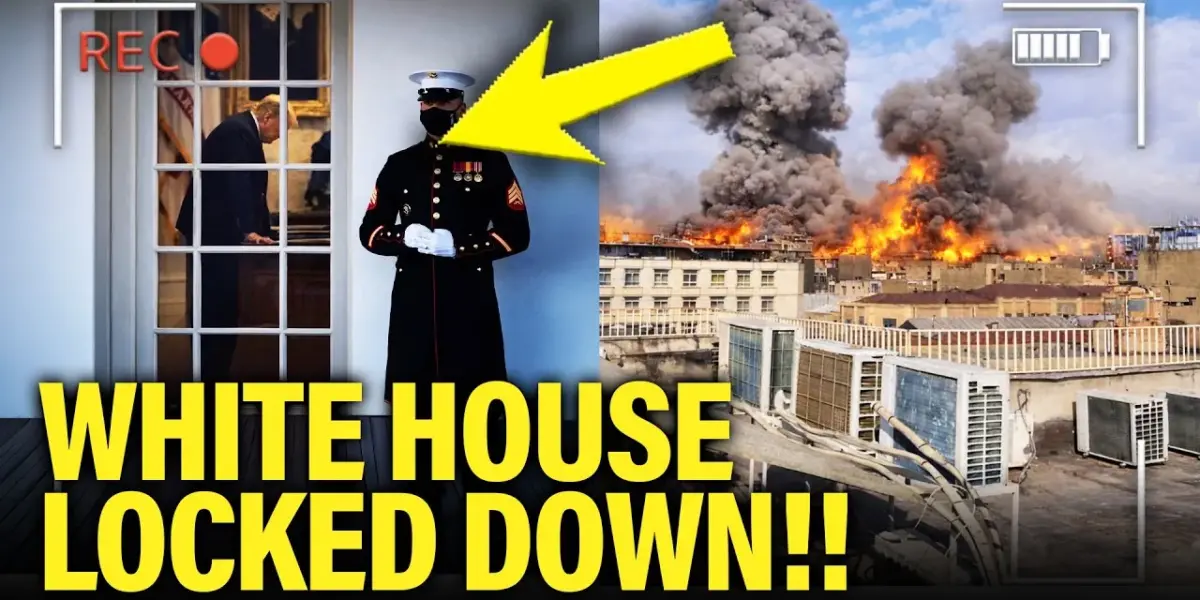
In a dramatic move, President Donald Trump has effectively locked down the White House, restricting press access as a conflict with Iran intensifies. This decision comes amid reports of significant military engagements, including aircraft being shot down and ongoing efforts to manage the flow of information during a critical period.
Military Shake-ups Amidst Conflict
The White House’s decision to limit press access coincides with concerns about the President’s engagement with national security and defense officials. Reports suggest a significant turnover in top military leadership, with a substantial number of generals and admirals reportedly removed from their posts over the past year. This includes a significant portion of the Joint Chiefs of Staff. The transcript highlights that recent events have seen further changes in military personnel, raising questions about experience and qualifications within the command structure.
Escalating Tensions and Information Control
The conflict with Iran appears to be escalating. The transcript mentions two aircraft, an A10C and an F-15E, being shot down over Iran. While pilots were reportedly rescued, one F-15 pilot remained missing at the time of the recording. Additionally, two helicopters involved in search and rescue operations were damaged. Iran has also claimed to have shot down an F-16, a claim the U.S. has denied. This discrepancy in information has led to a concerning situation where, according to some observers, information from Iran is being trusted more than official U.S. statements. This lack of clear, reliable information is particularly troubling during a military crisis.
The Wall Street Journal editor at large is saying how depressing that we now come to trust information from Iran more than the United States in this war.
Iran’s Strategic Capabilities and Global Impact
Despite U.S. military actions, Iran appears to retain significant capabilities, including ballistic missiles and drones. The country also exerts considerable control over the Strait of Hormuz, a vital waterway for global oil transport. This control has led to concerns that Iran could disrupt shipping, potentially driving up oil prices significantly. The transcript suggests that Iran’s actions have led some world leaders to question the reliability of the United States as a security partner, prompting discussions about alternative alliances.
Diplomatic Standoff and Misinformation
Attempts at negotiation seem to have stalled. Iran has publicly stated that no negotiations are taking place with the United States, directly contradicting claims made by President Trump. Historical context suggests Iran’s distrust stems from past perceived betrayals following U.S.-brokered agreements. The transcript also points to inflammatory social media posts from the President, which are seen as unhelpful and potentially escalatory. Meanwhile, Iran’s parliament leader has publicly commented on the situation, suggesting a shift in the conflict’s objectives from regime change to recovery of personnel.
Business Interests Amidst Conflict
Adding another layer of complexity, a drone company backed by President Trump’s sons is reportedly seeking to sell its technology to Gulf countries. This effort is occurring while these nations are under threat from Iran and rely on U.S. military support. Critics suggest this situation presents a potential conflict of interest, with the family of the President potentially profiting from the ongoing conflict. The company, however, denies any impropriety, highlighting the advanced nature of its technology.
Historical Context and Future Outlook
The current situation echoes past periods of heightened tension in the Middle East. The extensive changes in military leadership, coupled with the challenges in controlling the narrative around the conflict, present a complex picture. The reliance on social media for official communication and the reported distrust in U.S. government statements raise serious concerns about transparency and effective diplomacy. As the conflict continues, the long-term implications for regional stability and international relations remain uncertain. The events underscore the importance of clear communication, stable military leadership, and ethical considerations in foreign policy decisions.
Why This Matters
This situation is critical because it touches upon fundamental aspects of presidential leadership during a crisis, the integrity of information in times of conflict, and the potential for personal business interests to intertwine with national security. The decision to bar the press and the extensive changes in military command suggest a White House operating in a state of high alert and internal flux. The conflicting information and Iran’s demonstrated ability to impact global markets highlight the precarious nature of the current geopolitical landscape. Furthermore, the accusations of conflicts of interest involving the President’s family raise serious ethical questions about the conduct of U.S. foreign policy and its potential impact on global trust.
Source: Trump LOCKS DOWN White House as HELL BREAKS LOOSE in WAR!! (YouTube)

Related Articles
China Maps Seabed, Eyes Hawaii in Naval Power Play
China's extensive seabed mapping in the Pacific, particularly around strategic areas like Guam and Hawaii, is raising concerns about its preparation for submarine warfare. This effort, often disguised as scientific research, aims to enhance China's naval capabilities and challenge US dominance in the region.
Russia Faces Last-Ditch Offensive, Internal Cracks
Russia may be launching a final major offensive in Ukraine as it faces mounting internal pressures. Analysts suggest this push is a last resort before significant manpower and financial issues arise. Meanwhile, increasing domestic information control and official criticism highlight growing cracks within the Russian establishment.

Trump Threatens Iran, Shaking Global Stability
Former President Trump's aggressive Easter Sunday warning to Iran has ignited global concerns, highlighting a volatile intersection of politics, religion, and foreign policy. The analysis explores the motivations behind such rhetoric, the deep divisions within American society, and the potential for severe economic and geopolitical repercussions worldwide.