Voters Reject Both Parties Amid Economic Pain
Americans are increasingly unhappy with both major political parties, with a significant portion holding unfavorable views. This discontent, fueled by economic anxieties like inflation and high gas prices, is causing key demographics to question their traditional allegiances. The situation creates an opening for alternative political movements.

Voters Reject Both Parties Amid Economic Pain
Americans are increasingly unhappy with both major political parties, a sentiment fueled by economic anxieties and a feeling that neither side is addressing their concerns. Recent polls show a significant portion of the population holds unfavorable views of both Democrats and Republicans, a trend that could reshape the upcoming elections. This widespread dissatisfaction points to a deeper disconnect between the political establishment and the everyday struggles of voters.
Jobs Report Shows Growth, But Not Happiness
The latest jobs report revealed that 178,000 jobs were added in March, and unemployment fell to 4.3%. President Biden highlighted these figures, stating that his economic policies are creating powerful growth. However, this positive economic news isn’t translating into voter happiness. A recent CNN poll found that about 25% of Americans have a negative view of both parties. This feeling of being unhappy with everyone is often called the “double haters” phenomenon.
Key Demographic Shifts Unsettling for President
A particularly concerning sign for the current administration is the shift among white working-class voters. For the first time in what is considered a second term for Donald Trump, this key demographic has turned negative. Just last month, 54% approved of his performance. Now, only 49% approve, while 50% disapprove. This sharp decline suggests that even if the economy appears to be doing well on paper, voters are experiencing a different reality.
Economic Factors Driving Discontent
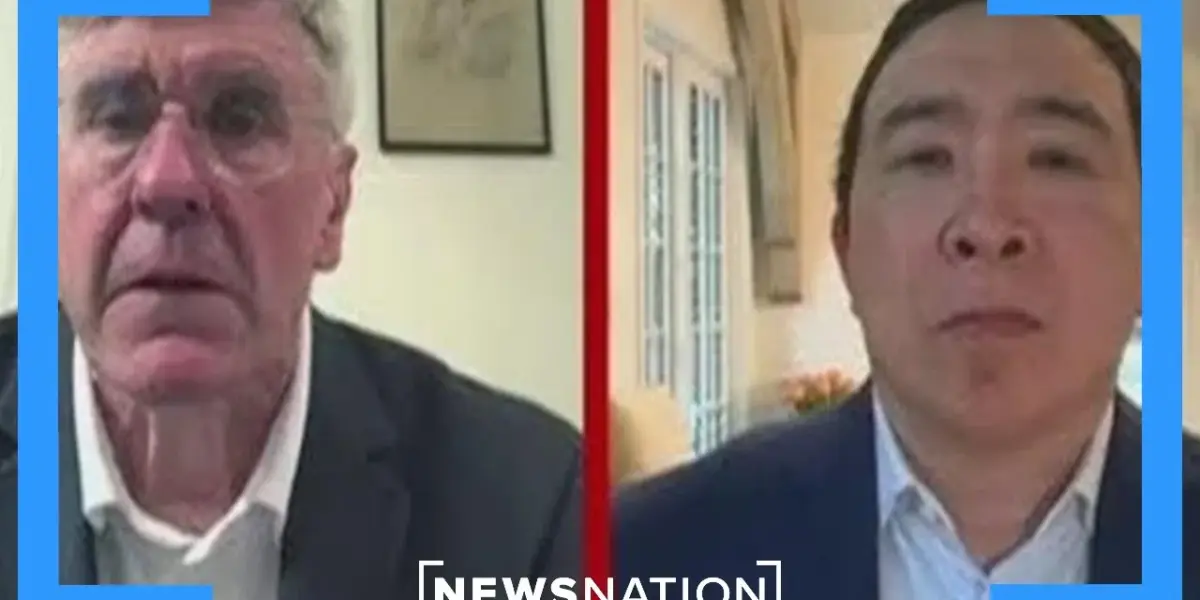
Stephen Moore, a former senior economic adviser to Trump, pointed to several factors contributing to this unhappiness. He mentioned the border situation and inflation as major concerns. “Pain at the pump” is a common complaint, with gas prices rising significantly. Tariffs, Moore argued, have also had an inflationary effect on small businesses. Many small business owners, he noted, rely on tourists from places like Canada, and current conditions are making it harder for them to succeed.
Andrew Yang, a former Democratic presidential candidate, agreed that there’s a real disconnect. He suggested that while Trump might unite Democrats in opposition, the Democratic brand itself is struggling. Independents, who might have considered voting for Trump due to dissatisfaction, are still unhappy. Yang also raised concerns about the impact of Artificial Intelligence (AI) on the job market. He noted that labor force participation rates are dropping, and while unemployment looks low, hundreds of thousands of Americans have stopped looking for work, including recent college graduates who can’t find jobs.
Historical Context: Discontent and Political Divisions
This widespread dissatisfaction isn’t entirely new. About two years ago, polls showed a common theme: people were unhappy with one party because they felt it wasn’t standing up to the other. For Republicans, 11% said they disliked Democrats for not standing up to Trump. For Democrats, 14% felt Republicans weren’t standing up to Trump. This suggests a long-standing frustration with perceived political weakness or inaction.
Moore recalled a strong economy in 2015 with rising real incomes, a booming stock market, and low prices. He believes the current situation, particularly with oil prices rising from $60 a barrel to $105, has dramatically changed things. He sees the current international situation, specifically the conflict involving Iran and the potential disruption of the Strait of Hormuz, as a gamble by Trump. If Trump can help resolve this conflict and reopen shipping routes, Moore believes gas prices could fall back to around $3 a gallon, potentially improving his standing.
The Appeal of Third Options
The frustration with the two major parties is leading to a growing appetite for alternatives. About 25% of Americans are angry at both parties. Furthermore, nearly 50% of Americans identify as independents. The approval ratings for both the Democratic Party (29%) and the Republican Party (32%) are remarkably low. This creates an opening for new political movements, like the Forward Party, which is seeing renewed energy.
Yang emphasized that while Trump might be a unifying figure for Democrats, the Democratic Party’s overall brand is weak. He sees independents breaking for Trump due to dissatisfaction, a trend that continues. He believes the current economic situation, even with low unemployment, is converting into something more negative, especially with the rise of AI.
Future Scenarios and Political Outlook
Looking ahead, the political landscape remains uncertain. While Democrats are highly motivated (57%), Republican voters are less so (38%). The current discontent could lead to unexpected outcomes in future elections. Some voters unhappy with both parties might switch their allegiance, as seen in past elections. Republicans are hoping that Trump can convince voters that current economic challenges are short-term pains for long-term gains, such as achieving peace or eliminating threats.
However, the persistent high prices at the gas pump remain a significant hurdle. The inability of Democrats to effectively govern or present a strong alternative is also a major factor. The desire for a strong country and effective leadership is evident. The current political system, often described as binary, leaves many voters feeling trapped with limited choices. This frustration could continue to drive interest in independent or third-party options.
Global Impact: Economic Stability and Voter Trust
The widespread voter dissatisfaction highlights a critical issue in global politics: the link between economic well-being and political stability. When voters feel the economic pinch, whether through inflation, high energy prices, or job insecurity, their trust in incumbent governments erodes. The current situation, exacerbated by international conflicts and technological shifts like AI, shows how interconnected these factors are.
The struggle to maintain voter confidence in established political systems suggests a need for leaders to better connect with the economic realities of their citizens. Failure to do so could lead to further political polarization, unpredictable election results, and a weakening of democratic institutions worldwide. The search for effective governance and economic solutions will likely define the political discourse for years to come.
Source: Iran war’s economic fallout has angered voters: Ex-Trump adviser | CUOMO (YouTube)

Related Articles

Trump Blames Miller for Failed Immigration Policies
Donald Trump is reportedly blaming Stephen Miller for the unpopularity of his immigration policies. As public opinion shifts, Trump appears to be seeking a way to distance himself from the controversial agenda, potentially making Miller the fall guy.

Credit Spreads Surge; Stocks Near Highs Signal Trouble
Widening credit spreads, a historical predictor of stock market downturns, are currently signaling economic trouble while the S&P 500 remains near highs. The Federal Reserve faces a difficult challenge managing inflation and employment amidst potential oil price shocks.

Trump’s Budget Plan Sparks Outrage, Strains Party
Donald Trump's proposal for a $1.5 trillion defense budget, nearly double current spending, is drawing sharp criticism. The plan involves deep cuts to domestic programs like healthcare and education, contrasting with his past calls for ending foreign wars.