Missing Pilot Sparks Propaganda Fears Amid Iran Search
A U.S. pilot is missing after his aircraft was shot down over Iran, triggering a search operation and fears of a propaganda coup if the airman is captured. Defense analysts discuss pilot survival training and Iran's strategic air defense tactics.

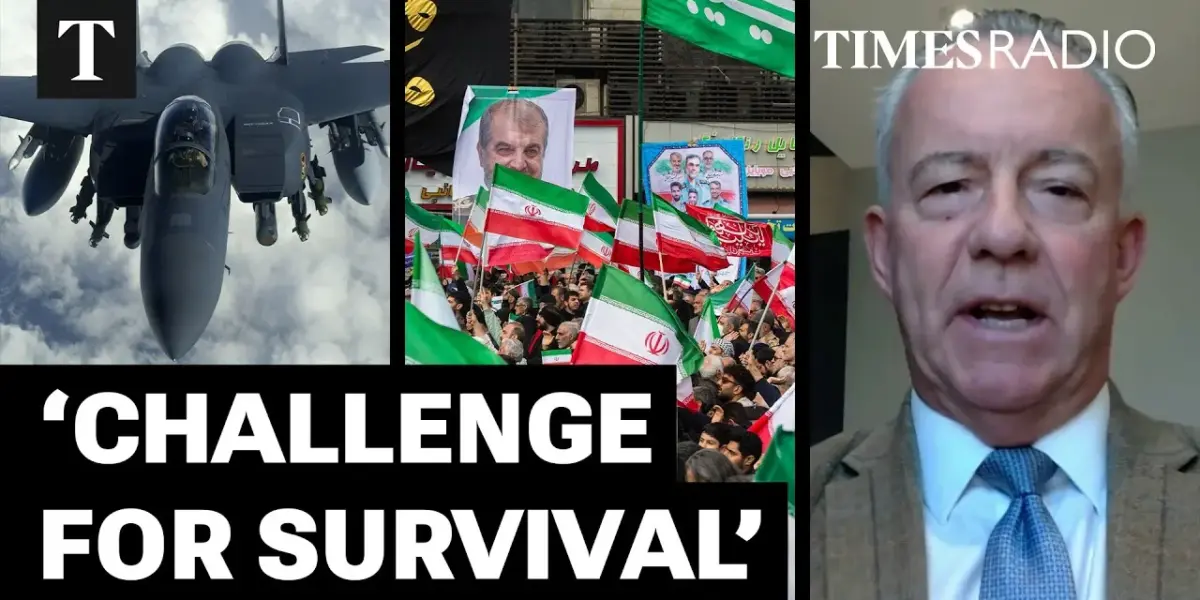
US Pilot Missing Over Persian Gulf; Capture Could Be Propaganda Coup
A U.S. pilot is missing after his aircraft was shot down over the Persian Gulf, sparking a tense search operation in southern Iran. The incident has raised significant concerns that the pilot could become a powerful propaganda tool for Iran if captured, potentially influencing the wider conflict. Iranian officials have reportedly offered a substantial reward for information leading to the capture of the airman.
Pilot Survival Training and Evasion Tactics
Sean Bell, a defense analyst and former air vice marshal, explained the extensive training pilots undergo for such scenarios. “You go through a lot of training for this,” Bell stated. He highlighted the crucial lessons learned during the Cold War, referencing the capture of U.S. Air Force pilot John Peters. “That is a huge propaganda tool and it would probably change the course of the war,” Bell said, emphasizing the importance of recovering the missing crew.
Bell described the escape and evasion training that prioritizes survival and avoiding capture. Pilots are taught to separate if necessary, increasing individual chances of survival. “If you stay together, you provide one track and potentially therefore you’re easier to find. If you go off your separate ways, one of you stands more of a chance of surviving,” he explained. Key survival priorities include protection from the elements, finding water, and then food. “The first thing is how do you protect yourself from the weather? Don’t get hypothermic,” Bell advised.
Challenges of Terrain and Potential Hostility
The pilot is believed to have gone down in a mountainous region in southwest Iran. This terrain presents both advantages and disadvantages for survival and rescue. While fewer people may be around, making immediate capture less likely, it also complicates efforts to reach pre-arranged extraction points. “If it’s mountainous, fewer people around that present different challenges for survival and also different challenges for getting yourself to the extraction point,” Bell noted.
Adding to the complexity, the pilot must consider that anyone encountered could be hostile, even if initial reports suggested potential local uprisings against the Iranian regime. “You’ve got to treat everybody as the enemy. You’ve got to treat everybody as suspicious and therefore keep well out of the way,” Bell cautioned. Even rescue operations face significant risks, as military forces entering the area could come under fire.
Iran’s Air Defense Capabilities Questioned
The incident raises questions about Iran’s air defense capabilities, especially following repeated assertions from U.S. officials, including President Trump and his defense secretary, that Iran’s anti-aircraft systems had been significantly degraded. Bell suggested that both sides of the argument hold some truth.
“What America has done has rolled back Iran’s air defense systems and… America can pretty much normally operate with relative impunity over the skies,” Bell acknowledged. However, he added that Iran has strategically prepared for such encounters. “Iran has war game this and they will have set… SAM traps where they will seduce aircraft into an area,” he explained. These traps could involve turning on radars intermittently or presenting seemingly lucrative targets, alongside the threat of handheld infrared missiles.
“There could be thousands of them on the ground and literally all they do is chase the heat signature at the back of the jet,” Bell said, describing the man-portable missiles. He concluded that while Iran cannot destroy the entire U.S. Air Force, “they only have to get lucky once.” This appears to have been the case with the downed F-15. Bell also noted that low-flying aircraft, such as the extraction helicopters that were targeted and the A-10, are more vulnerable.
Broader Implications and National Concern
The situation has drawn widespread concern, not only within the United States but also internationally. The potential for the captured pilot to be used for propaganda purposes could significantly impact public opinion and political dynamics related to the conflict. The families of the missing airman, along with the nation, are anxiously awaiting news.
Military personnel, including those who have served, are reportedly empathizing with the pilot’s ordeal. The possibility of capture underscores the high stakes involved and the potential for even a single event to alter the course of international relations and public support for military actions. The focus remains on the ongoing search and rescue efforts, with hopes high for the pilot’s safe return.
Looking Ahead
Attention will now turn to the success of the ongoing search and rescue mission. The ability of U.S. forces to extract the pilot safely, or the outcome should he be captured, will likely shape future U.S.-Iran relations and public perception of the conflict. Further analysis is expected from military veterans and defense experts on the strategic implications of this incident.
Source: US Pilot Could Be Used As A ‘Propaganda Tool’ If Captured By Iranians | Sean Bell (YouTube)

Related Articles


Trump Threatens Iran, Shaking Global Stability
Former President Trump's aggressive Easter Sunday warning to Iran has ignited global concerns, highlighting a volatile intersection of politics, religion, and foreign policy. The analysis explores the motivations behind such rhetoric, the deep divisions within American society, and the potential for severe economic and geopolitical repercussions worldwide.
Trump’s Rhetoric Fuels Iran Tensions, Raises War Crime Alarms
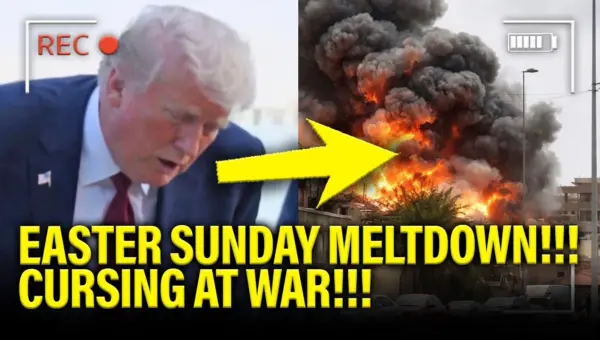
Former President Donald Trump's aggressive Easter weekend social media posts directed at Iran have sparked international concern. His threats of military action and ultimatums, coupled with conflicting narratives about military engagements, have raised alarms about potential war crimes and a dangerous escalation of conflict. Critics accuse both Trump and segments of the media of downplaying the severity of his rhetoric.


Trump Threatens Iran: “Open Strait or Live in Hell”
President Trump issued a severe warning to Iran, threatening "hell" if the Strait of Hormuz is not reopened, while U.S. forces successfully rescued a downed airman. Experts suggest potential escalation and regional realignments are unfolding.