Talk Show Invites Reveal Media’s Empty Airtime Obsession
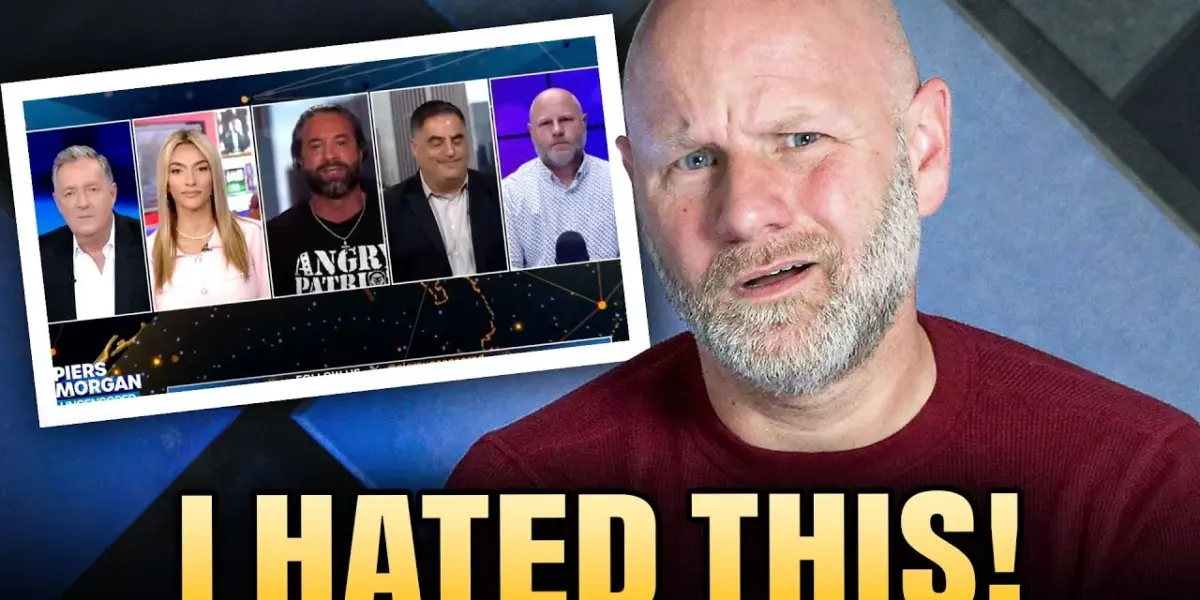
A commentator refused to appear on panel shows like Piers Morgan's, calling them unproductive shouting matches. This reflects a media trend prioritizing sensationalism over substance, a practice with growing implications for public discourse.

Media Outlets Seek Clout Over Substance
Many media personalities are invited to appear on various talk shows, often seeking to create viral moments rather than meaningful discussions. One commentator recently shared their experience with being repeatedly invited to Dr. Phil’s new network and Piers Morgan’s show. While Dr. Phil’s network is described as already failing, the invitations to Piers Morgan’s program were constant. This highlights a common trend in media: chasing attention, even if it means sacrificing quality.
The Futility of Panel Shows
The commentator explained their refusal to participate in typical panel discussions. These shows often feature people yelling at each other for extended periods. The goal seems to be creating conflict, not fostering understanding. The commentator found these sessions unproductive and a waste of time. They described the format as “dumb” because it doesn’t lead to constructive dialogue. It’s like watching people argue without purpose.
“I’m like, ‘No, this isn’t productive. It’s not constructive. It’s stupid. It’s people yelling at each other and it’s taken up, you know, way too much of my day. I’m not going to do it.”‘
This sentiment reveals a growing frustration with media formats that prioritize noise over substance. The commentator made it clear they would not engage in such unproductive shouting matches. They offered an alternative: a one-on-one discussion. This shows a desire for genuine conversation, not just a platform for arguments. When this boundary was set, the invitations stopped. This suggests the shows are more interested in the spectacle than the substance of the conversation.
Piers Morgan’s Show: A Modern Jerry Springer?
The commentator drew a striking comparison between Piers Morgan’s show and the infamous Jerry Springer Show. They described it as the “21st-century version of Jerry Springer Show.” The key difference noted is the lack of a physical stage, which prevents guests from getting into actual physical fights. However, the underlying dynamic of heightened emotions and potential conflict remains. It’s a show designed to provoke reactions.
The commentary offered a humorous, yet telling, hypothetical. If Piers Morgan’s show involved guests on a stage, with clear sides, and actual chairs to throw, the commentator would eagerly participate. This is not a genuine desire for chaos, but a sarcastic way of pointing out the performative nature of such programs. It’s a critique of shows that thrive on manufactured drama and personal attacks.
Why This Matters
This perspective sheds light on the current state of media and public discourse. Many platforms seem to value engagement metrics and viral moments above all else. This often leads to content that is divisive and emotionally charged, rather than informative or educational. The commentator’s refusal to participate in unproductive yelling matches is a stand against this trend. It highlights a need for media that encourages thoughtful discussion and mutual understanding.
Implications and Future Outlook
The trend of prioritizing sensationalism over substance could have long-term effects on public opinion and political discourse. When audiences are constantly exposed to heated arguments and personal attacks, it can become harder to engage in reasoned debate. This can lead to increased polarization and a breakdown in civil communication. The demand for more constructive dialogue might grow as people tire of the constant conflict.
Looking ahead, there’s a potential for a shift towards more substantive content. As audiences become more discerning, they may seek out platforms that offer genuine insights and balanced perspectives. The commentator’s preference for one-on-one discussions over chaotic panels suggests a desire for deeper engagement. Media creators who can provide this might find greater success in the long run. It’s about building trust through genuine conversation.
Historical Context
The desire for sensationalism in media is not new. Tabloid journalism and sensationalist news programs have existed for decades. Shows like Jerry Springer were popular because they tapped into a public fascination with conflict and drama. However, the internet and social media have amplified these tendencies. Viral clips and soundbites can now spread globally in minutes. This creates immense pressure on media personalities and outlets to produce attention-grabbing content.
The current media environment is a complex mix of traditional broadcasting and digital platforms. Both face challenges in maintaining audience attention. Many are resorting to tactics that create controversy to stay relevant. This commentator’s experience is a microcosm of this larger struggle. It shows that even established figures are navigating this challenging landscape. The fight for eyeballs often leads to a race to the bottom.
Source: The dumbest thing I've EVER had to do (YouTube)

Related Articles

Fox News Scrambles as Trump’s Iran War Falters
As Donald Trump's approval ratings sink and his Iran strategy faces scrutiny, Fox News personalities appear to be in damage control mode. Analysts observe hosts shifting blame and questioning intelligence, revealing a media apparatus struggling to defend policies with escalating negative consequences.
Trump’s Week Unravels Amidst Bizarre Claims and Media Mockery
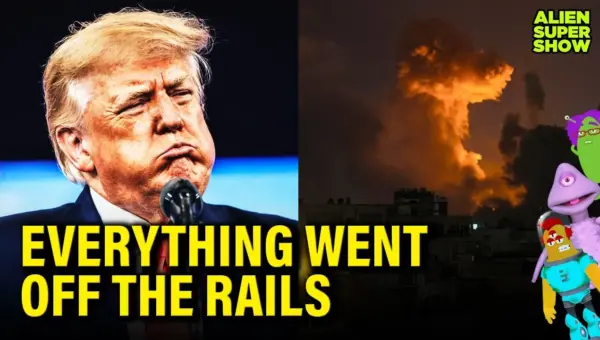
This analysis dissects a week of controversial statements from Donald Trump, marked by bizarre analogies, crude humor, and questionable remarks on death and faith. The piece examines his communication style, critiques of political authenticity, and the implications of ideas like compulsory military service, revealing a pattern of rhetoric that alienates many while resonating with a dedicated base.

US Readies for Iran Ground War Amidst Media Push
New reports reveal the Pentagon has prepared a ground invasion plan for Iran, with thousands of U.S. troops mobilizing. Amidst escalating tensions, some media figures are pushing for the conflict, while geopolitical realities and potential global economic fallout raise serious questions about the wisdom of such an escalation.