US Pilot Missing as Iran Shows Enduring Military Might
A U.S. airman is missing behind enemy lines, sparking criticism of American military strategy and President Trump's public statements. Experts stress the rigorous training of combat crews and the U.S.'s robust rescue capabilities, while questioning Iran's persistent anti-air defenses. The situation highlights strategic ambiguity and the potential for overstating achievements, raising concerns about regional stability.

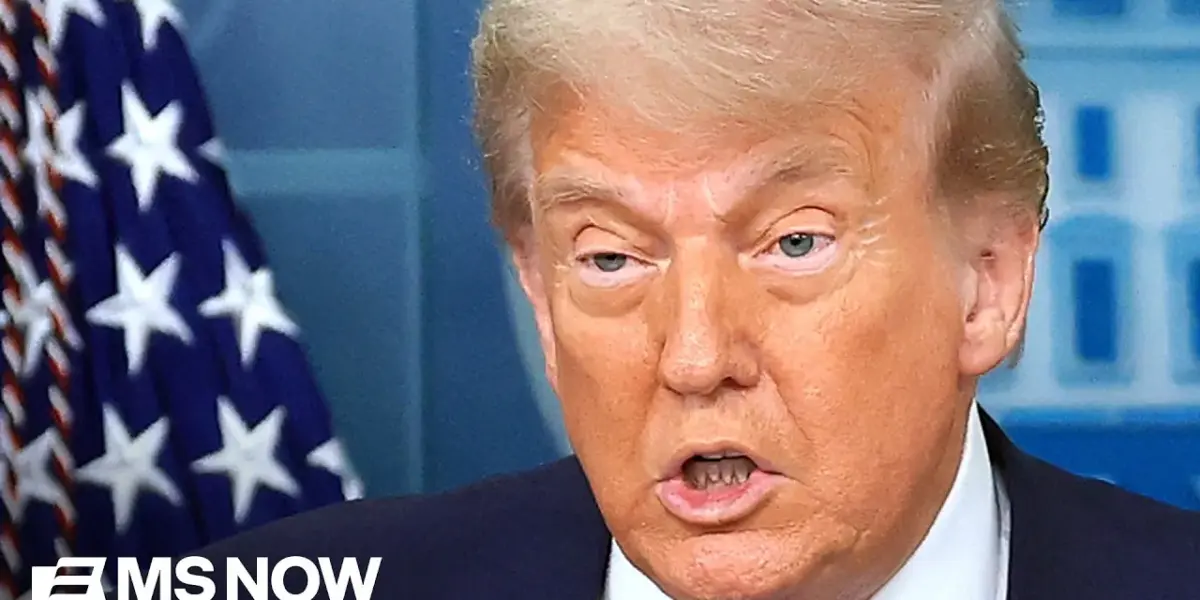
US Pilot Missing Amid Iran Tensions
A U.S. airman is missing behind enemy lines, raising serious questions about the effectiveness of American military strategy and intelligence regarding Iran. The incident underscores the harsh realities of warfare, far removed from the digital simulations of video games. Experts emphasize that combat aircrews are rigorously trained for such dire situations, undergoing extensive preparation for evasion and resistance if captured.
Pilot Training and Rescue Capabilities
Retired Lieutenant Colonel Amy McGrath, a decorated Marine aviator, explained the intense training pilots receive. “Every single flight that a combat mission that you go on, you brief this sort of scenario,” she stated. Aircrews are taught survival tactics, including the use of encrypted communication devices, though they may choose not to use them depending on their location. McGrath stressed the U.S. possesses “the best combat search and rescue capability on the planet.” If the missing airman can be found, she asserted, “we’re going to find them.”
Critiques of Presidential Messaging
Veteran Pentagon correspondent Barbara Starr criticized recent statements from President Trump, suggesting they downplay the dangers of the conflict. “This is a war and bad things happen in war. Inevitably, they do,” Starr remarked. She questioned how Iran retains its military capabilities despite claims of American dominance. Starr pointed out the persistent anti-air capabilities of Iran, asking if external support or new tactics are enabling their effectiveness.
Strategic Ambiguity and Historical Parallels
MSNBC reporter David Noriega, speaking from Jerusalem, drew parallels between Trump’s rhetoric and that of Israeli Prime Minister Benjamin Netanyahu. He noted a pattern of exaggerating military achievements. Noriega cited past instances, like the alleged obliteration of Iran’s nuclear capability last June, which he argued did not prevent ongoing conflict. He also recalled Trump’s assertion that Americans would accept high gas prices due to the absence of a nuclear threat from Iran, a threat Noriega described as nonexistent.
Overstated Achievements and Lingering Threats
Noriega highlighted the ambiguity surrounding military goals in the region, including the unclear objective of toppling the Iranian government or defeating Hezbollah. He shared perspectives from Palestinians and critical Israelis who view past Israeli military campaigns as failing to create a safer environment. “In all of those cases, this man pointed out, Israel resulted in a situation that was no safer than before,” Noriega stated, referencing a Jerusalem bookshop owner’s historical account of Israeli wars.
Misleading Narratives and Morale Concerns
Colonel McGrath expressed concern over the lack of clear leadership and the impact of misleading statements on military morale. “You really wish that we had a competent leadership right now,” she said. Pilots who have experienced combat missions know that claims of complete air superiority are false. This disconnect between official pronouncements and battlefield realities can be demoralizing for service members.
Confusing War Messaging
Barbara Starr pointed out the confusing messaging surrounding the conflict, noting Trump’s shifting narratives about its duration and objectives. She highlighted the administration’s focus on hitting numerous targets, comparing it to old body counts that did not signify success. Starr emphasized that Iran’s network of proxies, including Hamas, Hezbollah, and the Houthis, represents a significant, undismantled threat. She argued that while diminishing Iran’s military power is desirable, a wide gulf remains between current achievements and long-term victory goals.
Future Implications and Regional Stability
The article concludes by raising concerns about the potential consequences if the U.S. declares victory prematurely and withdraws. This could jeopardize relationships with regional allies and undermine the established security framework in the Middle East. The potential fallout on U.S. relations with Russia and China is also noted as a significant concern, suggesting that current actions may have far-reaching geopolitical implications.
Source: 'Learning the wrong lessons': Trump's mistakes in Iran pile up (YouTube)

Related Articles

Russia Faces Last-Ditch Offensive, Internal Cracks
Russia may be launching a final major offensive in Ukraine as it faces mounting internal pressures. Analysts suggest this push is a last resort before significant manpower and financial issues arise. Meanwhile, increasing domestic information control and official criticism highlight growing cracks within the Russian establishment.

Trump Threatens Iran, Shaking Global Stability
Former President Trump's aggressive Easter Sunday warning to Iran has ignited global concerns, highlighting a volatile intersection of politics, religion, and foreign policy. The analysis explores the motivations behind such rhetoric, the deep divisions within American society, and the potential for severe economic and geopolitical repercussions worldwide.
Trump’s Rhetoric Fuels Iran Tensions, Raises War Crime Alarms
Former President Donald Trump's aggressive Easter weekend social media posts directed at Iran have sparked international concern. His threats of military action and ultimatums, coupled with conflicting narratives about military engagements, have raised alarms about potential war crimes and a dangerous escalation of conflict. Critics accuse both Trump and segments of the media of downplaying the severity of his rhetoric.