ICE at Boot Camp: A Cruel Policy Backfires
ICE agents were reportedly sent to Parris Island to check IDs of families at Marine boot camp graduations, sparking outrage. Critics argue this policy, along with the rise of Christian nationalism in military leadership, harms morale and national security.

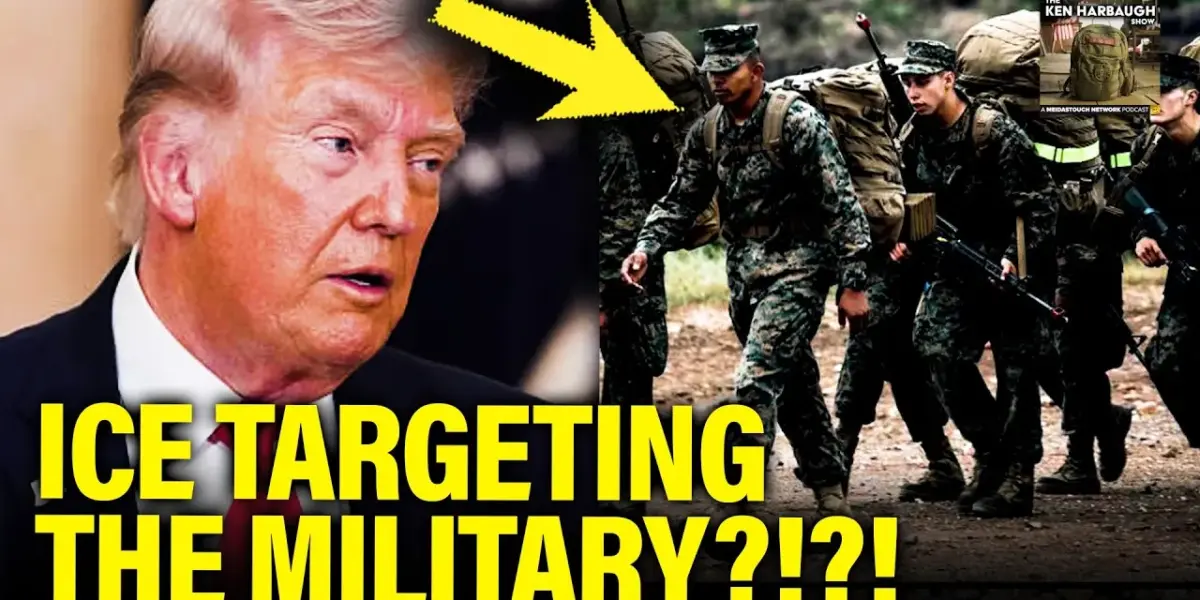
ICE at Boot Camp: A Cruel Policy Backfires
The U.S. Marine Corps announced this week that agents from Immigration and Customs Enforcement (ICE) would be present at the gates of Parris Island. Their job was to check the IDs of families visiting to watch their loved ones graduate from boot camp. This announcement, which came from an official Marine Corps press release, was quickly labeled ‘fake news’ by the Department of Homeland Security. However, the original notice from the Marine Corps stands.
This situation sends a troubling message to immigrant families in America. It’s especially concerning for those whose family members have chosen to serve in the U.S. military, risking everything for their country. The swift and strong negative reaction to this news was significant. While the Department of Homeland Security tried to explain it away as a misunderstanding, the whole event highlighted the Trump administration’s aggressive approach to immigrants. This included targeting law-abiding people, even those with family serving in the military.
The Backlash and the Message
Chris Goldsmith, an Army veteran and founder of Vets Fighting Fascism, spoke out strongly against the policy. He described the situation on TikTok, sparking wider attention. “The Trump administration is doing this right now,” he said. “They have ICE posted at military training facilities screening family members of graduates of basic training and boot camp to check their papers.” Goldsmith criticized this as a policy driven by a desire to harm, suggesting figures like Steven Miller were behind such decisions.
“Folks, irony is dead because we’ve got Nazi wannabe little weasels like Steven Miller directing policy,” Goldsmith stated. “And among his priorities is to go after the families of service members who are probably about to deploy in some stupid war that Donald Trump started.”
Goldsmith also pointed out that the administration seems to lack awareness about public perception. “They seem to have a massive blind spot when it comes to PR and the inability to perceive the public reaction to some of their policies,” he noted. The decision to place ICE agents at a place meant to celebrate new Marines seemed to confirm this. It showed either a lack of understanding or a disregard for public opinion.
Concerns About Military Morale and Leadership
The discussion also touched on the views of then-Secretary of Defense Pete Hegseth. Critics argued that Hegseth, a former Fox News host, did not understand that not everyone in the military shares his conservative views. His actions, they suggested, could hurt the morale of the troops. This is particularly true for service members who are seeking citizenship through their military service.
The idea that parents might fear attending their child’s graduation because they could face deportation is deeply damaging. This creates an internal threat within the military. For years, concerns about insider threats focused on extremist groups. Now, some worry that a focus on Christian nationalism within the military leadership could harm national security. This is especially true in a military that is incredibly diverse.
Christian Nationalism in the Military
A major point of concern was a prayer offered by Pete Hegseth at a Pentagon service. The prayer, delivered with military members present, called for the destruction of enemies and invoked divine violence. It asked for “overwhelming violence of action against those who deserve no mercy” in the name of Jesus Christ.
“Behold now the wicked who rise against your justice and the peace of the righteous. Snap the rod of the oppressor. Frustrate the wicked plans and break the teeth of the ungodly.”
This prayer, and the broader push for Christian nationalism, troubles many. About 30% of the military identifies as non-Christian. Even among Christians, not all would support such a prayer’s aggressive tone. Framing military actions as a “mission from God” can alienate many service members and is seen by some as anti-Christian itself.
Historical Context and Personal Experience
Chris Goldsmith shared a personal story from his time serving in Iraq. He recalled a chaplain using terms like “crusade” and “mission from God” to describe their deployment. He also remembered his unit playing loud music to disrupt mosque prayers, an action he felt was unnecessarily provocative and likely to cause blowback.
He believes such actions, and the framing of conflicts as holy wars, can lead to increased danger for American soldiers. “Americans will die because of the stupid framing that these guys are engaging in,” he warned.
The Danger of Zealotry
The discussion highlighted the danger of zealotry in leadership. Pete Hegseth was described as a “true zealot,” possibly driven by a recent conversion to his faith. This kind of fervor, when combined with political power, can be destructive.
The analysis suggested that some politicians and leaders use harsh rhetoric as a way to overcompensate for past issues or personal struggles. This is seen as a form of abuse, now cloaked in religious justification. The concern is that this ideology could damage national security for years to come, impacting not only Americans but countless others.
Why This Matters
This incident and the surrounding discussion reveal a deep tension within American society and its military. The attempt to enforce a particular religious or nationalist ideology on a diverse fighting force is seen as dangerous and counterproductive. It risks alienating service members, undermining morale, and potentially leading to poor strategic decisions based on zeal rather than sound judgment.
The core issue is whether the U.S. military can remain an effective fighting force while embracing divisive ideologies. The potential for harm extends beyond the battlefield, affecting the families of those who serve and the nation’s standing in the world. The debate raises questions about leadership, inclusivity, and the true meaning of service.
Future Outlook
The long-term effects of such policies and rhetoric are a significant concern. If leaders continue to prioritize ideological purity over military readiness and inclusivity, the consequences could be severe. The military’s strength has always been its diversity and its ability to unite people from various backgrounds toward a common goal. Policies that undermine this foundation could weaken the nation’s defense capabilities for a generation.
Moving forward, there’s a clear need for leaders who understand the diverse nature of the military and the importance of maintaining morale. Policies should support service members and their families, not create fear and division. The incident at Parris Island serves as a stark reminder of the potential costs when political agendas clash with the well-being of those who serve.
Source: COMBAT Vets SOUND ALARM SOUND ALARM on ICE at MILITARY BASE?!! (YouTube)

Related Articles

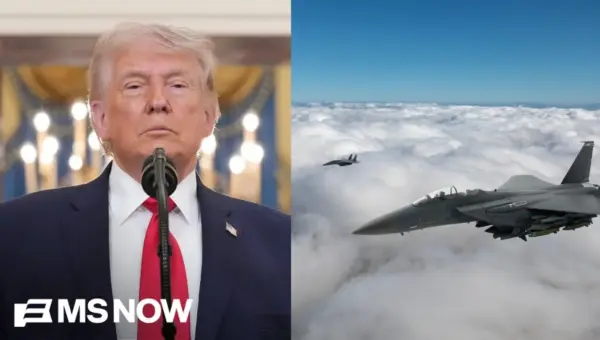
US Rescues Pilot From Iran After Intense Military Operation
The U.S. military has successfully rescued a missing airman from Iran in a complex operation involving dozens of aircraft and intelligence assets. The pilot, who evaded capture for over 24 hours after his jet crashed, is now safe and receiving medical care. The mission highlights extensive pilot training and sophisticated inter-agency coordination.


Trump’s Iran Claims: Truth or Deception?
Did President Trump's claims about Iran's military being in ruins hold up to scrutiny? Reports suggest U.S. intelligence may have painted a different picture, raising questions about transparency and the reality of Iran's defense capabilities.
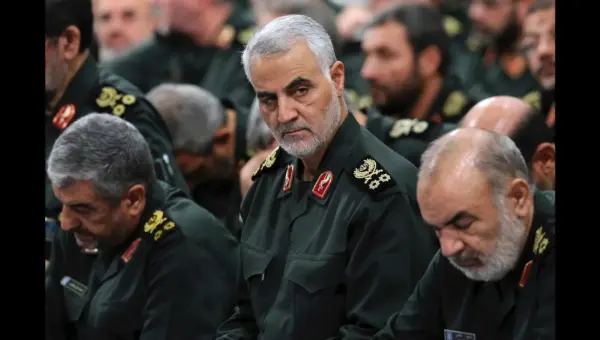
US Targets Soleimani’s Family: A New Front in Iran Tensions?
The U.S. detained relatives of former Iranian General Qasem Soleimani, revoking visas and taking them into ICE custody. This action highlights the ongoing tensions between the U.S. and Iran and the use of immigration policy as a foreign relations tool.