Alaska Eyes LNG Pipeline to Secure Global Energy Markets
Alaska is advancing a major liquefied natural gas (LNG) pipeline project to tap its vast reserves. Aimed at providing a secure energy supply to Asian allies, the privately funded initiative seeks to bypass volatile global shipping routes and potentially lower domestic energy costs.

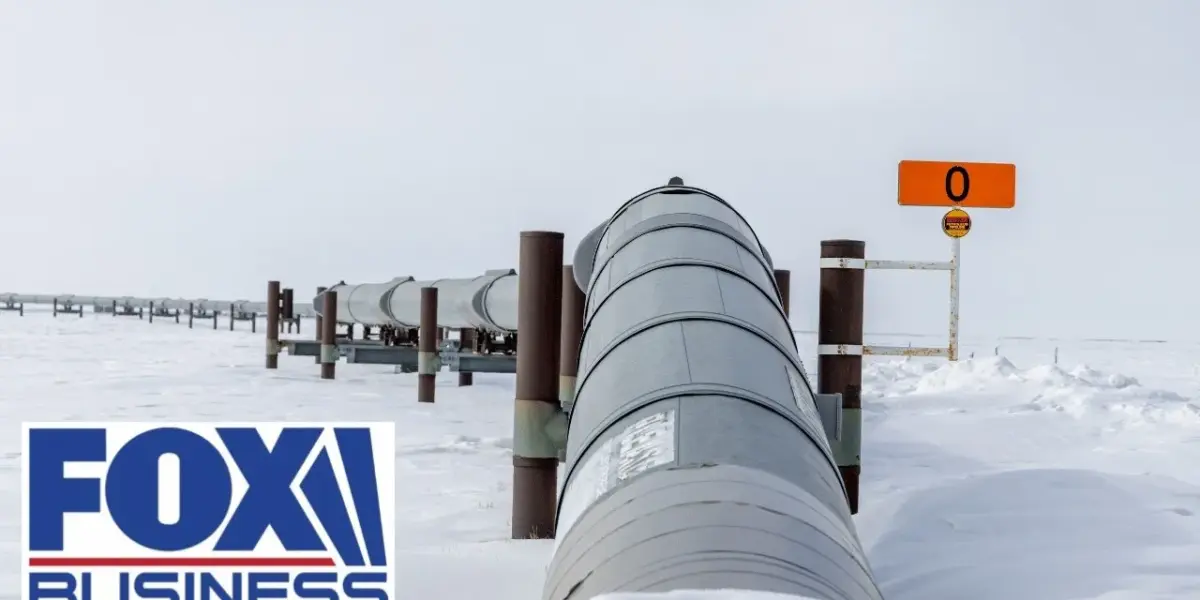
Alaska Pushes Major LNG Project Amid Global Energy Fears
As geopolitical tensions rise and disrupt traditional energy routes, Alaska is accelerating plans for a massive liquefied natural gas (LNG) pipeline. The proposed 807-mile project aims to tap into the state’s vast natural gas reserves, offering a secure and direct energy supply to Asian allies. This initiative has gained significant attention, with the Trump administration calling it a top energy infrastructure priority.
Why the Urgency?
The push for new energy infrastructure comes as the Middle East faces threats to crucial shipping lanes like the Strait of Hormuz. Reports suggest Middle Eastern nations are exploring new pipeline networks through countries like Iraq and Turkey to bypass potential blockades. Meanwhile, the price of U.S. crude oil, West Texas Intermediate, recently surged past $111 per barrel, highlighting the volatility in global energy markets and the impact on consumers at the gas pump.
“The time is right, the time is now for obvious reasons,” stated Governor Mike Dunleavy, emphasizing the current global energy climate.
Alaska’s Ambitious Plan
The Alaska LNG project is envisioned as a privately funded endeavor, meaning it won’t rely on taxpayer money. It’s set to be one of the largest projects ever undertaken in the Arctic and potentially the Pacific region. The plan includes an 800-mile gas pipeline, a liquefaction plant on the North Pacific, and a gas conditioning plant on the North Slope. Governor Dunleavy highlighted that Alaska has a long history with energy infrastructure, having operated the Trans-Alaska Pipeline System (TAPS) since 1977, moving billions of barrels of oil.
A Strategic Advantage for Asia
Alaska’s unique geographic position makes it a prime candidate for supplying LNG to Asian markets. The state is significantly closer to major consumers like Japan, South Korea, and Taiwan compared to other global suppliers. Shipping times from Alaska to Tokyo are approximately eight days, a stark contrast to the 20-plus days required for shipments from the Persian Gulf, which also involve navigating the Suez Canal and crossing the Pacific.
“We’re the closest state by far to Asia. We’re the most westernmost state in the United States,” Governor Dunleavy explained. “So our shipping times to Asia are very, very quick.” Alaska has a historical precedent in LNG exports, pioneering the industry in the late 1960s and successfully exporting to Japan for 50 consecutive years without interruption. This route offers a direct path across the North Pacific, avoiding chokepoints like the Strait of Hormuz.
Addressing Property Taxes to Boost Project Economics
To make the massive LNG project more economically viable, Alaska is considering changes to its property tax structure. The state currently has some of the highest property tax rates in the nation, which can deter large-scale investments. Governor Dunleavy is working with the state legislature and local municipalities to revise these rates.
The goal is to reduce the tax burden on the project, ensuring that Alaskan ratepayers do not face excessively high gas prices due to the tax structure. “We don’t want our rate payers paying a high rate for gas because of a high property tax imposed on the project,” the Governor stated.
Alaska’s Energy Paradox and Data Center Potential
Ironically, many Alaskans pay significantly higher energy costs, often two to three times the national average, despite the state’s abundant energy resources. A large portion of the state’s 220-plus communities rely on diesel for power. The state is actively working to lower energy costs in these areas through hydroelectric and other renewable energy projects.
However, the proposed gas pipeline could also bring down energy costs for major population centers along the Rail Belt. This is particularly relevant for attracting data centers. Companies looking to build these large facilities, often referred to as hyperscalers, require vast amounts of reliable energy. Alaska offers unique advantages for data centers, including cooler ambient temperatures that reduce cooling costs, abundant fresh water, and available land.
Governor Dunleavy believes that the significant energy demand from data farms could actually help lower overall energy prices for Alaskans. “Our gas offtake will be small compared to that, which will lower the overall price because of these large hyperscalers,” he explained.
Market Impact
The Alaska LNG project, if realized, could significantly alter the global LNG market by providing a stable, long-term supply option for Asian nations. It diversifies supply routes away from volatile regions, potentially stabilizing prices and reducing the impact of geopolitical events on energy availability. For the United States, it represents a strategic move to bolster energy security and strengthen economic ties with key allies.
What Investors Should Know
Investors should monitor the progress of the Alaska LNG project, particularly developments regarding private funding and the resolution of tax-related discussions with the state legislature. The project’s success hinges on securing offtake agreements with international buyers and navigating regulatory approvals. The potential for lower energy costs in Alaska could also stimulate local economic development and attract new industries like data centers.
Source: Governor looks to shift LNG pipeline property tax to volumetric structure (YouTube)

Related Articles

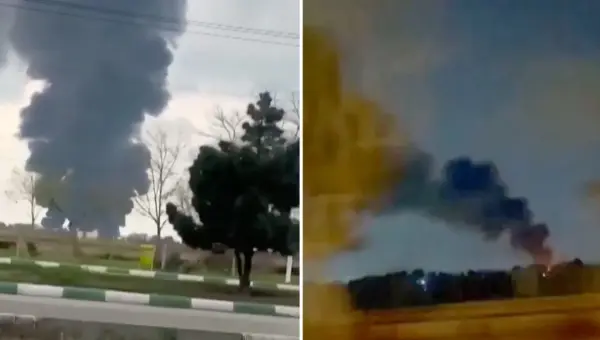
Israel Strikes Iran: Escalation Ignites Mideast Tensions
Black smoke was seen near an Iranian airport after reported airstrikes, fueling fears of wider conflict. Israel claims to have hit over 70 Iranian targets, while diplomatic talks appear to be faltering. This escalation marks a dangerous increase in direct confrontation in the Middle East.
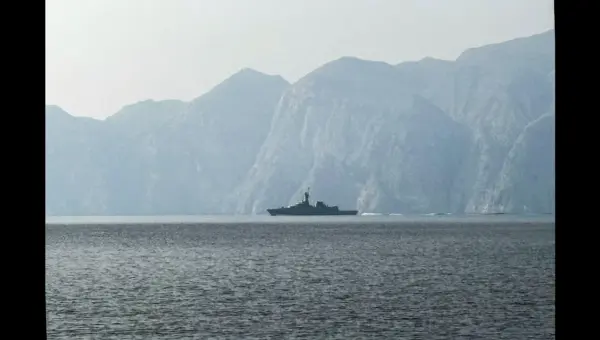
Iran’s Strait of Hormuz Threats Offer Chance to Reshape Middle East
Iran's aggressive tactics in the Strait of Hormuz, while threatening global energy supplies, present a unique opportunity to reshape Middle East dynamics. Analyst David Wormser suggests that new energy routes and strategic island seizures could fundamentally alter regional power structures and trade.


Pope and Trump Clash Over Iran, Faith Sees Youthful Revival
Pope Francis's calls for peace contrast with President Trump's policies, particularly concerning Iran. Meanwhile, a surprising number of young Americans are turning to the Catholic Church, seeking deeper meaning and unconditional love in a complex world.