Israel Strikes Iran: Escalation Ignites Mideast Tensions
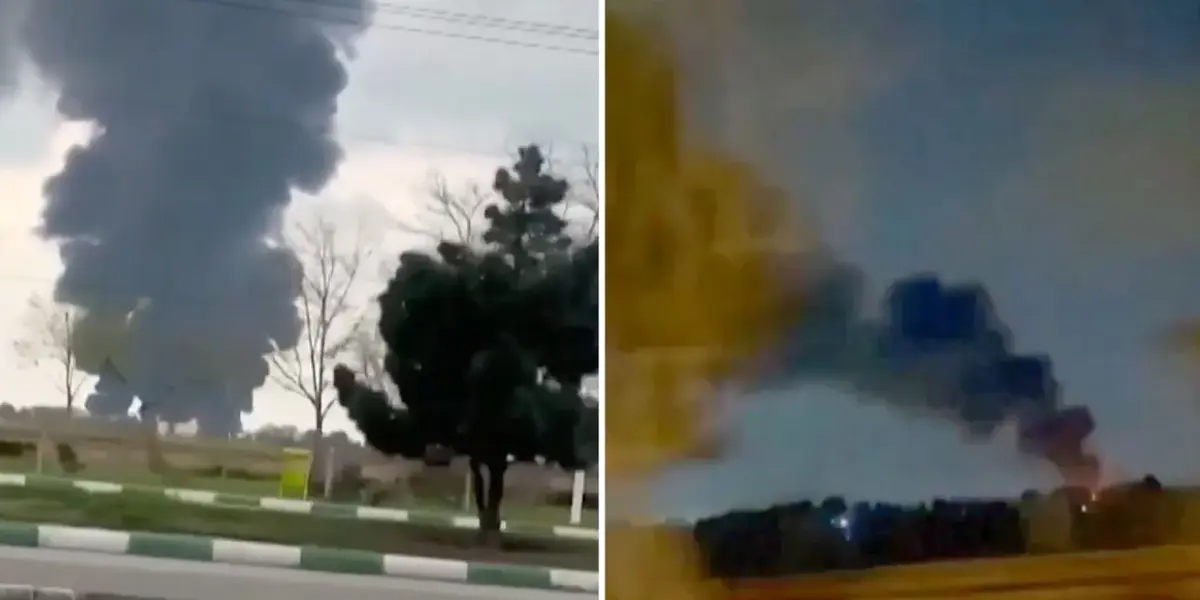
Black smoke was seen near an Iranian airport after reported airstrikes, fueling fears of wider conflict. Israel claims to have hit over 70 Iranian targets, while diplomatic talks appear to be faltering. This escalation marks a dangerous increase in direct confrontation in the Middle East.

Israel Strikes Iran: Escalation Ignites Mideast Tensions
New reports show smoke rising near an Iranian airport after what appears to be an airstrike. An Iranian news agency reported a fire at a fuel tank close to the airport following strikes on Thursday. This comes as Israel claims it hit over 70 targets in Iran within a 24-hour period. These targets included sites for attack drones and ballistic missiles.
The conflict shows no sign of stopping. Talks aimed at ending the war seem to be failing. Senior officials in Jerusalem told Epic magazine that negotiations between the United States and Iran, happening through Pakistan’s army chief, have not made any real progress.
Escalating Conflict and Retaliation
On Friday, Israel stated its forces had struck more than 70 targets in Iran. This action was presented as a response to Iranian threats. Meanwhile, footage showed residents in Iran reacting to damage from air strikes on a newly built bridge. Former President Trump shared a video of one strike, hinting that more actions were planned.
Israeli Prime Minister Benjamin Netanyahu spoke about the situation, stating, “Together with our American friends, we continue to crush the terrorist regime in Iran.” He added that the Israeli Air Force had destroyed 70% of Iran’s steel production capacity in recent days. Netanyahu described this as a major success that would hurt the Revolutionary Guards’ money and weapons-making abilities.
Iran’s Response and Civilian Impact
Iran’s army commander-in-chief was shown in footage released by state-run media. He reportedly told his troops to get ready to face any attacks. The fighting has also affected civilians directly. Early Friday morning, pieces from an intercepted Iranian missile damaged a house in central Israel. Another intercepted missile caused damage to a factory in the Tel Aviv area.
Broader Regional Context
The conflict is not limited to Iran and Israel. Israeli forces reported killing over a thousand terrorists in Lebanon on Friday. Israel has also stated its intention to take control of parts of southern Lebanon. The goal is to prevent future attacks on Israeli citizens. Prime Minister Netanyahu said Israel has an opportunity to “fundamentally change the situation” and is acting on it. He assured citizens that Israeli forces would continue operations around the clock, even during holidays.
Historical Background and Current Situation
The current conflict is part of a long-standing tension in the Middle East. Israel and Iran have been involved in a shadow war for years, often using proxy groups to carry out attacks. This direct exchange of strikes marks a significant escalation. The region has a complex history of conflict, often fueled by political and religious differences.
The war has also impacted religious observances. On Friday, a group of Christians in southern Lebanon were seen carrying a cross to mark Good Friday. In Jerusalem’s Old City, a place usually crowded with Christians commemorating the holiday, was mostly empty this year due to the ongoing war. This highlights the widespread impact of the conflict beyond the battlefield.
Why This Matters
The recent strikes represent a dangerous increase in direct confrontation between Iran and Israel. This escalation raises serious concerns about the stability of the entire Middle East. When major powers like Israel and Iran engage in direct military action, the risk of a wider conflict grows significantly. Such a war could involve other countries in the region and disrupt global energy supplies, affecting economies worldwide.
The failure of diplomatic talks is also a major concern. It suggests that finding a peaceful solution is becoming more difficult. The impact on civilian populations, both in Israel and potentially in Iran and Lebanon, is immense. The destruction of infrastructure and the ongoing threat of attacks create fear and instability. The situation demands careful attention from the international community, as a de-escalation is crucial to prevent further suffering and wider conflict.
Future Outlook
The current trajectory suggests continued military action rather than a swift diplomatic resolution. Both sides appear determined to pursue their objectives, leading to a cycle of attack and counter-attack. The involvement of the United States, supporting Israel, adds another layer of complexity to the situation. The coming weeks will be critical in determining whether this escalation can be contained or if it will spiral into a larger regional war. The world watches closely as tensions remain high.
Source: Smoke Rises Near Iranian Airport After Reported Airstrike (YouTube)

Related Articles
US Jet Downed Over Iran: Crew Separation Risks Examined
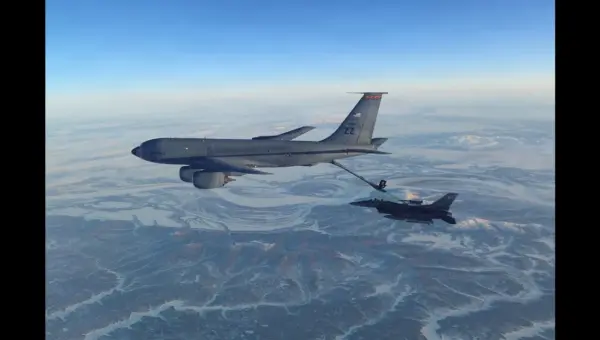
A U.S. fighter jet downed over Iran prompts a search and rescue mission, highlighting the risks and challenges faced by aircrews. Analysts suggest factors like low altitude and wind may have contributed to the incident, while the vital role of the Space Force in modern military operations is also examined.
Iran’s Strait of Hormuz Threats Offer Chance to Reshape Middle East
Iran's aggressive tactics in the Strait of Hormuz, while threatening global energy supplies, present a unique opportunity to reshape Middle East dynamics. Analyst David Wormser suggests that new energy routes and strategic island seizures could fundamentally alter regional power structures and trade.

US Pilot Missing After Jets Downed in Middle East
A U.S. pilot is missing after two American warplanes were shot down over the Middle East, with Iran claiming responsibility for one incident. The downed aircraft and ongoing search operation occur amid scrutiny of President Trump's strategy and response, as concerns mount over Iran's resilience and potential economic motivations behind the conflict.