Trump Tariffs Target Drugs, Escalate Iran Conflict
President Trump escalates military action in Iran, destroying a major bridge and threatening further strikes. Simultaneously, new 100% tariffs on imported drugs aim to lower prices and boost U.S. production, while Attorney General Pam Bondi departs.

Trump Tariffs Target Drugs, Escalate Iran Conflict
President Trump has recently taken significant actions on two major fronts: escalating military action in the Middle East and imposing new tariffs on imported pharmaceuticals. These moves signal a hardening of his foreign policy and a push to reshape global trade and national security.
Iran Conflict Escalates
On the international stage, President Trump announced the destruction of Iran’s largest bridge, calling it a message to the regime. This strike, part of what he termed “Operation Epic Fury,” was accompanied by a warning to Iran to make a deal before it’s too late. The President stated that America’s military objectives are nearing completion and threatened further, severe action against Iran’s energy sector if negotiations fail.
During a prime-time address, President Trump outlined his strategy, aiming to bring Iran back to the “stone ages.” He urged countries reliant on oil from the Strait of Hormuz to instead purchase oil from the U.S. and take responsibility for securing the vital shipping lane. The President reiterated his commitment to preventing Iran from obtaining nuclear weapons, citing their refusal to hand over enriched uranium as proof of their intentions.
The administration also indicated a potential shift in alliances, with President Trump considering a withdrawal from NATO. This comes as he prepares to meet with NATO’s General Secretary. The U.S. stance is clear: countries depending on Hormuz Strait oil must secure it themselves, as America imports very little oil through the route.
New Tariffs on Imported Drugs
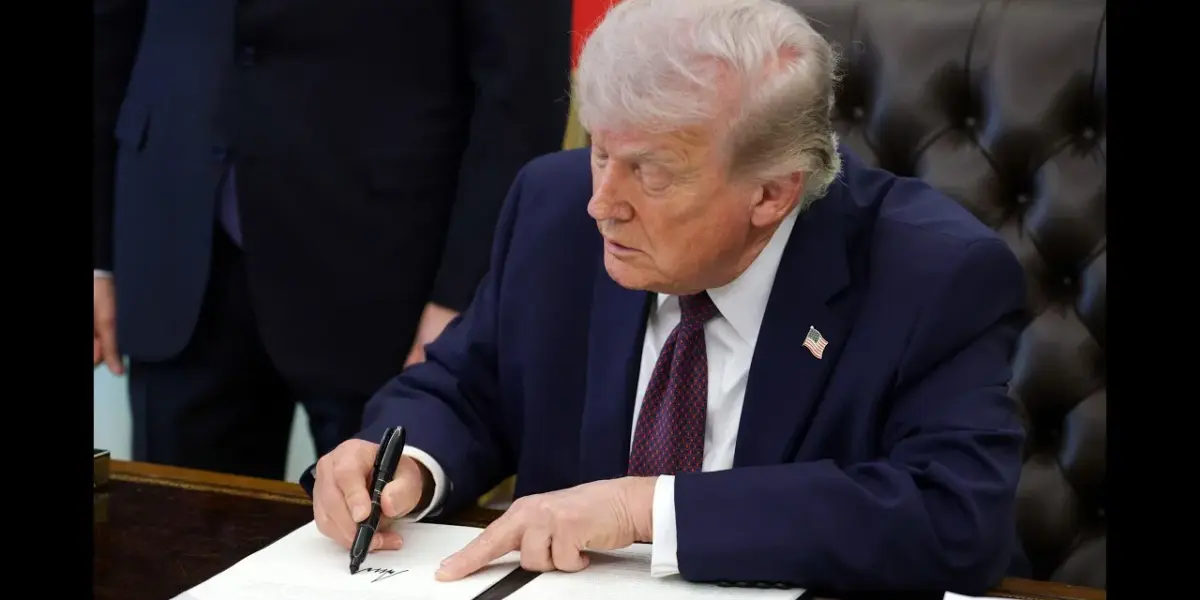
Domestically, President Trump is using trade policy to address pharmaceutical supply chains. He has imposed a 100% tariff on most imported patented drugs. This action aims to encourage drug companies to lower prices or bring production back to the United States.
Companies that agree to onshore their manufacturing or sign favorable pricing deals with the U.S. government will see significantly reduced tariff rates, potentially as low as zero or 20%. This policy is part of a broader effort to secure the U.S. drug supply and make medications more affordable for Americans.
Leadership Changes at Justice Department
In addition to these policy announcements, there was a significant change in the President’s cabinet. Attorney General Pam Bondi is stepping down from her role. President Trump praised Bondi for her service, crediting her with a crime crackdown that he claims brought murder rates to their lowest point since 1900.
Pam Bondi expressed gratitude for the opportunity to serve and stated she will help with the transition to Deputy Attorney General Todd Blanch, who will serve as acting Attorney General. This departure appears to be more amicable than those of previous attorneys general under the Trump administration.
Why This Matters
The combination of aggressive military action and protectionist trade policies highlights a consistent theme in President Trump’s approach to foreign policy and the economy. The escalation in Iran, while framed as a move towards peace through strength, carries the risk of wider regional conflict. The destruction of infrastructure and threats of further strikes could destabilize an already volatile region.
On the trade front, the new tariffs on drugs represent a significant intervention in the pharmaceutical market. The goal is to lower costs and increase domestic production. However, drug companies may pass on the increased costs to consumers, or retaliate with their own trade actions, potentially impacting the availability and price of essential medicines. The effectiveness of this strategy will depend on how pharmaceutical companies respond and whether it truly leads to lower prices for Americans.
Historical Context and Future Outlook
President Trump’s “America First” agenda has consistently involved challenging existing international agreements and trade relationships. The tariffs on drugs are an extension of his broader strategy to use trade as a tool to achieve domestic policy goals. This approach has been seen before, with tariffs imposed on goods from countries like China, aiming to protect American industries and jobs.
The military actions against Iran are part of a long-standing tension between the two nations. Previous administrations have also faced challenges in dealing with Iran’s nuclear program and regional influence. President Trump’s more direct and forceful approach signals a departure from diplomatic norms, prioritizing immediate pressure over prolonged negotiation.
Looking ahead, the success of these policies will be closely watched. The conflict in the Middle East could either de-escalate if Iran agrees to terms or intensify if further military action is taken. The impact of the drug tariffs will unfold as companies decide how to adapt, potentially reshaping the global pharmaceutical market. The administration’s willingness to challenge established alliances like NATO also suggests a continued reevaluation of America’s role in global security.
The departure of Attorney General Pam Bondi, while a personnel change, also reflects the administration’s ongoing staffing dynamics. The focus now shifts to how her successor will manage the Justice Department amidst these significant national and international developments.
Source: Trump Signs Order to Impose 100 Percent Tariffs on Some Imported Drugs (YouTube)

Related Articles


US Air Power Crushes Iran: One Jet Down in 13,000 Missions
Experts analyze the US air campaign over Iran, highlighting American air dominance despite one F-15E being shot down. The incident is viewed within the context of thousands of successful missions, with a focus on pilot rescue and distinguishing propaganda from reality.


Government Admits Microplastics Pose Health Threat
The U.S. government is now potentially classifying microplastics and pharmaceuticals as drinking water contaminants, validating long-held public concerns. This marks a significant shift towards studying and understanding the health impacts of these widespread substances.

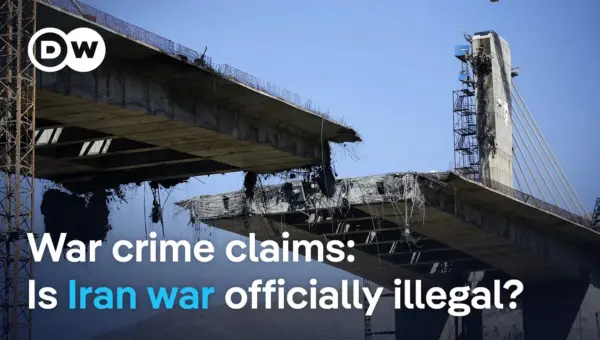
US, Israel Accused of War Crimes in Iran Conflict
International law experts are raising alarms over U.S. and Israeli actions in Iran, accusing them of violating international law and potentially committing war crimes. The conflict has seen strikes on civilian infrastructure, drawing condemnation and warnings of wider regional war.