China’s Panama Canal Ports Move Sparks Trade War Fears
China's detention of Panama-flagged ships escalates a dispute over control of Panama Canal ports. US officials condemn the move as economic bullying, warning of disruptions to global trade and rising costs.

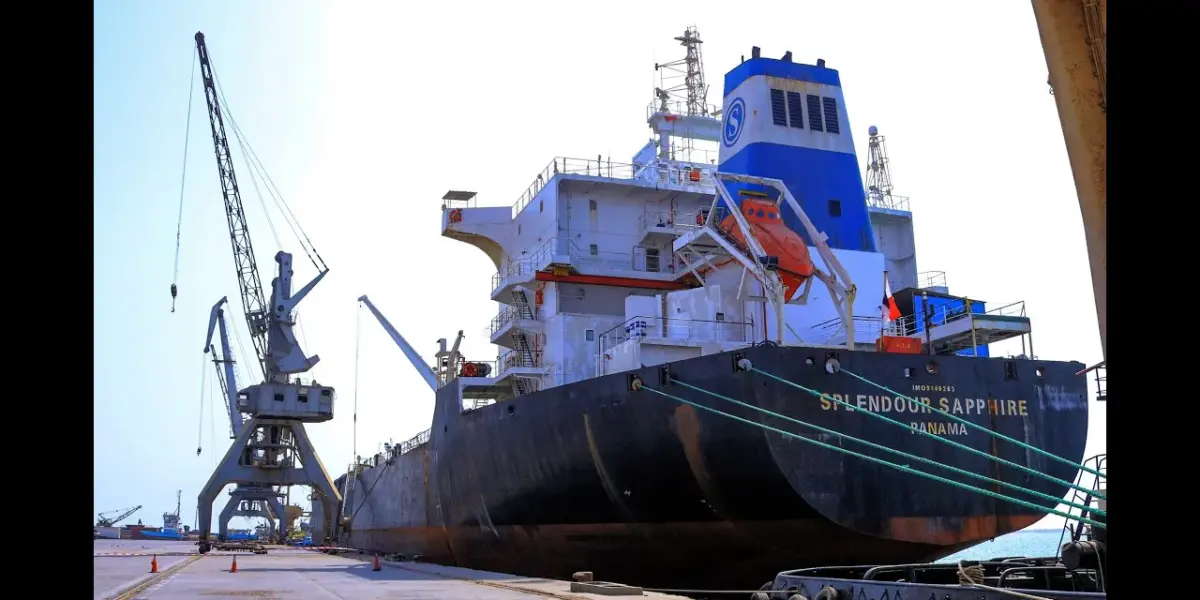
China Detains Panama Ships, Escalating Canal Dispute
The United States is accusing China of unfairly using its power to punish Panama. China has recently detained many ships that fly Panama’s flag. These ships were trying to trade goods legally. US officials say this is China’s way of getting back at Panama. Panama recently took back control of important ports at the Panama Canal.
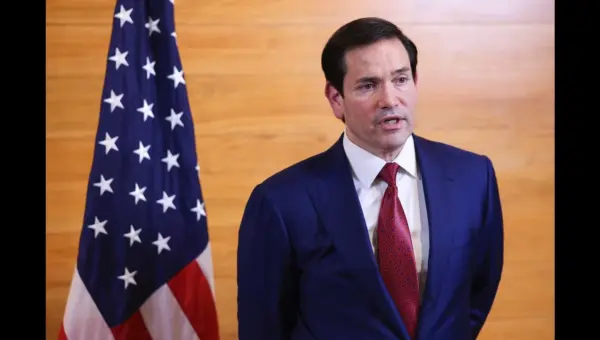
Senator Marco Rubio, the Secretary of State, called China’s actions “economic bullying.” He believes China is retaliating because Panama removed a company linked to China’s government from running these key ports. Rubio stated on social media that China’s actions hurt global trade. He explained that detaining ships makes supply chains unstable, increases costs, and damages trust in the world’s trading system. The US supports Panama against any bullying that threatens its independence.
Impact on Global Trade and Shipping
When ships are held up in China, it can take over a week for them to be allowed to move again. This delay increases fuel costs for shipping companies. It also slows down the delivery of goods around the world. Reports show that a large number of ships detained in China last month were flagged by Panama. Nearly 75% of all detained ships, or 92 out of 124, were Panama-flagged vessels.
Laura Debella, who leads the Federal Maritime Commission, described the situation as “unprecedented.” She noted that this is much worse than what has happened before. Debella thinks China is trying to punish Panama. She also warned that this could harm American shipping. This is because the US relies heavily on ships that use Panama’s flag.
Historical Context: The Panama Canal’s Importance
This dispute follows a major decision by Panama’s highest court. The court ruled that a Hong Kong-based company’s long-term control over ports at both ends of the Panama Canal was illegal. This ruling allowed Panama to regain control of this vital piece of infrastructure. The Hong Kong company had managed these ports for many years. Because of China’s national security laws, companies in Hong Kong can be required to help with intelligence work for the Chinese government. This meant that China effectively had influence over these crucial ports for decades.
The Panama Canal is one of the world’s most important waterways. It connects the Atlantic and Pacific Oceans, allowing ships to avoid the long journey around South America. Control over the canal and its ports is therefore very strategic. It affects global trade routes and military movements.
US National Security Concerns
Former President Trump had previously warned about China’s growing presence near the Panama Canal. He argued that this presence threatened US national security. The US has historically had a strong interest in ensuring the canal remains open and secure for international trade and its own interests. The current administration’s stance echoes these concerns. They emphasize that the canal should not fall under hostile foreign influence.
Why This Matters
This situation highlights the growing tensions between the US and China over global trade and influence. China’s actions against Panama-flagged ships could disrupt the flow of goods worldwide. This disruption can lead to higher prices for consumers in the US and other countries. It also raises questions about China’s willingness to use economic power to achieve its political goals. The dispute shows how important strategic locations like the Panama Canal are in international relations.
Future Outlook
As China continues to detain Panama-flagged ships, the risks to global supply chains and American consumers are increasing. This incident could lead to further trade disputes or even more severe economic actions. The US is showing strong support for Panama, suggesting a united front against perceived Chinese aggression. The long-term impact will depend on how both sides, and the international community, respond to these escalating actions.
Source: Rubio Condemns China Over Detaining Panama Vessels (YouTube)

Related Articles
China’s Port Power Play Threatens Global Trade Routes
Senator Marco Rubio is condemning China's alleged detention of Panama-flagged vessels, calling it 'bullying' that destabilizes global supply chains. The dispute follows Panama's decision to regain control of two key ports from a Chinese-linked company, raising concerns about China's economic influence over vital trade routes.


China Wages ‘Unrestricted War’ on America, Author Claims
Author Casey Fleming claims China is waging a non-military "unrestricted war" on America using methods like drug trafficking, biological threats, and social media manipulation. He urges Americans to become informed and unite to counter these attacks.


Taiwan Opposition Leader Seeks China Talks Amid US Tensions
Taiwan's opposition leader, Joong Lee Nguyen, is heading to Beijing for talks with President Xi Jinping, aiming to ease tensions ahead of President Trump's visit. Her approach of engaging directly with China aims to prevent conflict, though it faces skepticism both in Taiwan and regarding U.S. support.