Trump Seeks Massive Defense Boost, Cuts ‘Woke’ Programs
President Trump's 2027 budget proposal calls for a significant increase in defense spending, aiming for $1.5 trillion. To offset this, the plan includes cuts to non-defense programs labeled as "woke" or "wasteful." The budget also prioritizes funding for law enforcement to combat violent crime.

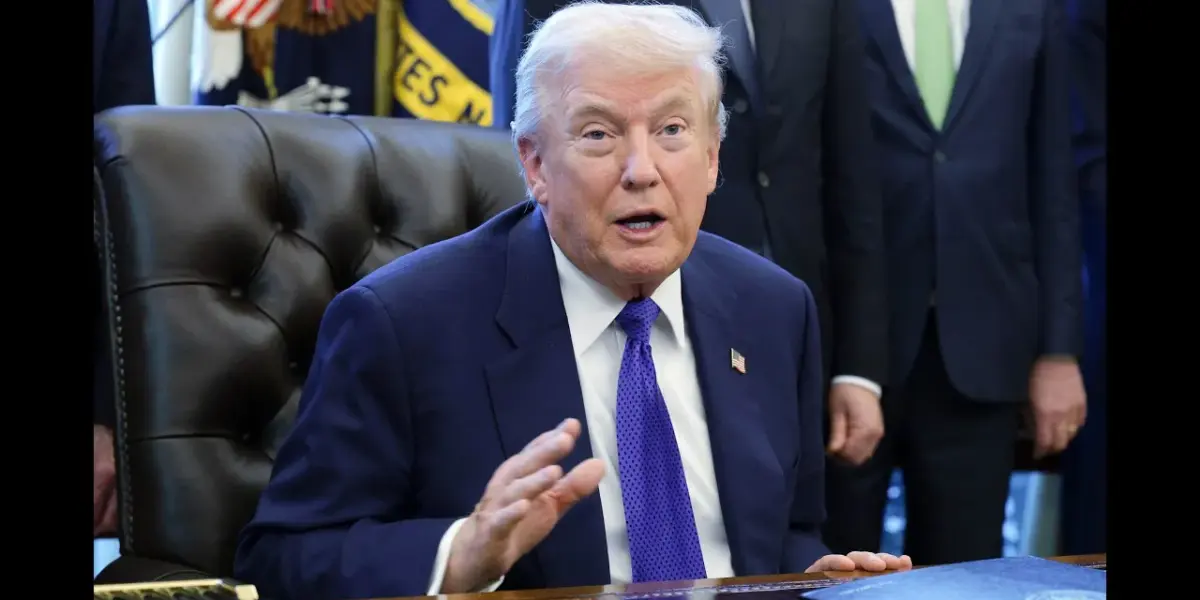
Trump’s Budget Plan: More Money for Military, Less for Other Areas
President Trump has laid out his budget plan for 2027, and it shows some clear priorities. The White House recently sent a 92-page request to Congress. It lays out what the administration wants to focus on across the government.
Defense Spending Skyrockets
A major part of the proposal is a big jump in defense spending. Trump is asking for $1.5 trillion for the military in fiscal year 2027. This is a huge increase, about 44% more than what he asked for in 2026. This comes as the administration is also asking for an extra $200 billion to help with the situation involving Iran.
The National Economic Council director explained the reasoning. “We also have an increasing eye on the importance of national defense and the potential budgetary cost of that,” they said. “So, it’s fiscally responsible and increasing spending on defense because of all the things that we’re seeing in the world.”
Cutting Non-Defense Spending
To pay for the increased defense budget, the White House plans to cut spending in other areas. They say savings will come from getting rid of programs they call “woke, weaponized, and wasteful.” They also want to shift some responsibilities back to state and local governments. “We have to take care of one thing, military protection. We have to guard the country,” a White House statement emphasized.
Focus on Crime and Federal Agencies
Another key focus is fighting crime. The budget asks for over $19 billion for federal law enforcement. That’s a 15% increase. This extra money would hire more agents to go after people involved in illegal immigration, criminal gangs, and illegal gun sales.
Ending ‘Weaponization’ of Government
The proposal also aims to stop what the White House calls the “weaponization” of federal agencies. They want to eliminate several grant programs. The White House believes these programs are either unneeded, don’t actually reduce crime, or are being used unfairly against people. For example, they propose cutting $15 billion that was set aside for the Green New Deal, a plan to address climate change.
The White House stated, “Today, we’re taking one more step to kill the Green New Scam.” They also plan to cut programs they consider “woke.”
Targeting ‘Radical Ideologies’
The budget specifically targets what it calls “radical gender and racial ideologies.” The White House says these ideas “poison the minds of Americans.” An example given is the Environmental Protection Agency’s Environmental Justice Program. This program gave $600 million to projects that the White House claims promote critical race theory and encourage illegal immigration.
The Budget Process Ahead
This budget proposal is the first step in talks with Congress. Lawmakers will debate and eventually decide on the final spending amounts for the year. The process of approving these spending bills usually happens later in the year.
Why This Matters
This budget request highlights a stark shift in national priorities. By proposing a massive increase in defense spending while cutting programs deemed “woke” or “wasteful,” the administration signals a clear direction. This approach could reshape how federal money is spent, impacting everything from environmental initiatives to social programs. The emphasis on national security and law enforcement suggests a focus on traditional forms of government responsibility, potentially at the expense of newer or more progressive policy areas. The success of these proposals will depend heavily on negotiations with Congress, where different priorities and political viewpoints will inevitably clash. This budget sets the stage for significant debates about the role and scope of the federal government in the coming year.
Looking Ahead
The proposed budget is not final; it’s a starting point for discussions. Congress will have the final say. However, the administration’s clear objectives – bolstering defense, cutting non-defense spending, and addressing crime – indicate key policy directions. Future budgets may continue this trend, focusing on national security and a more limited view of federal intervention in social and environmental issues. The debate over these spending priorities will likely be intense, reflecting broader political divisions.
Source: Some Key Takeaways From Trump's 2027 Budget Proposal (YouTube)

Related Articles


Elite Scientists Vanish: A Disturbing Pattern Emerges
A series of perplexing disappearances involving highly skilled scientists working for the U.S. government and military is raising serious questions. Friends and colleagues are stunned and searching for answers as a troubling pattern of vanishing experts emerges.


US Military Risks All for Downed Pilot
American air crews fly into dangerous enemy territory knowing the entire U.S. military will work tirelessly to bring them home if shot down. This commitment highlights extreme risks and historical parallels, showcasing the nation's dedication to its service members.


China Apps Threaten U.S. Data: FBI Sounds Alarm
The FBI has alerted Americans to potential data risks from popular apps linked to China. Required by Chinese law to share user data, these apps could expose sensitive personal information, raising national security concerns. U.S. officials are enacting bans and proposing legislation to counter these threats.