US Jet Downed Over Iran: Crew Separation Risks Examined
A U.S. fighter jet downed over Iran prompts a search and rescue mission, highlighting the risks and challenges faced by aircrews. Analysts suggest factors like low altitude and wind may have contributed to the incident, while the vital role of the Space Force in modern military operations is also examined.

US Jet Downed Over Iran: Crew Separation Risks Examined
A recent incident where a U.S. fighter jet went down over Iran, leading to a search and rescue operation for one of its crew members, highlights the inherent dangers faced by American forces. While one crew member was successfully rescued, the ongoing search for the second has raised questions about what happened and the potential separation of the pilots. Analysts suggest that factors like altitude and wind could play a significant role in such scenarios. This event, however, does not signal a shift in the ongoing military operations in the region, with U.S. forces maintaining air dominance over Iran.
Understanding the Incident
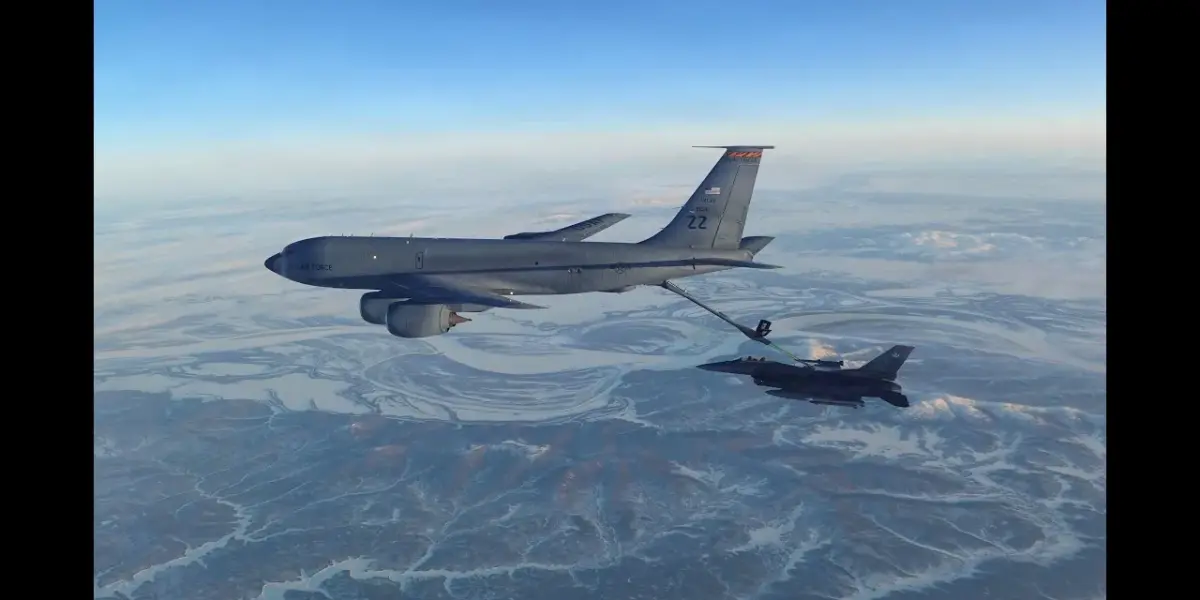
The U.S. F-15E fighter jet, known for its capabilities in low-altitude operations, may have been flying below certain airspace thresholds. According to national security analyst Rebecca Grant, this could expose the aircraft to threats like man-portable air defenses, heat-seeking missiles, or even traditional anti-aircraft fire. This explanation offers a plausible reason for the jet’s downing, emphasizing that even with air superiority, lower altitudes can present significant risks. The F-15E typically carries a pilot and a weapon systems officer (WSO), often referred to as the pilot and Wizzo, both of whom ejected from the aircraft.
Search and Rescue Challenges
The success of a combat search and rescue (CSAR) mission hinges on quickly locating the downed airmen. In this case, one crew member was rescued, but the search continues for the other. When pilots eject, they are released together, but their landing positions can vary greatly. Factors such as the altitude of ejection, prevailing winds, and the terrain on the ground all influence where they might end up. The province in Iran where the incident occurred is known for its challenging geography, including marshy and mountainous areas, making the search more difficult. History shows that downed airmen can survive for days. For instance, Scott O’Grady was on the ground for six days in Bosnia before being rescued, and Major Dave Goldfein, who later became Air Force Chief of Staff, was down for several hours in Serbia.
Operational Secrecy and Support Assets
Official statements from the Pentagon or the President have been absent, which is common during active search and rescue operations. This silence indicates that the mission is still ongoing and that authorities are prioritizing the safety of personnel over immediate public information. A CSAR mission involves a complex coordination of numerous aircraft, including airborne control aircraft, refueling tankers, special operations aircraft like the HC-130, helicopters, and fighter jets providing cover. This intricate ballet of aerial assets underscores the commitment to bringing all crew members home safely before any official details are released.
The Crucial Role of the Space Force
While often less visible, the U.S. Space Force plays a critical role in modern military operations. As the newest branch of the U.S. Armed Forces, established six years ago, its contributions are vital. The Space Force provides essential services like missile warning by monitoring all launches from adversary nations. It ensures the accuracy of GPS, which is crucial for guiding precision weapons. Furthermore, Space Force Guardians work to prevent interference with space-based communications and navigation systems. Their work is largely behind the scenes but is fundamental to the success of operations for combatant commands like CENTCOM. Admiral Brad Cooper, commander of CENTCOM, has highlighted the Space Force’s contribution, emphasizing that modern warfare, including air strikes and missile launches, cannot be conducted effectively without space superiority.
Why This Matters
This incident serves as a stark reminder of the persistent risks faced by military personnel in conflict zones. The successful rescue of one crew member is a testament to the capabilities and dedication of U.S. search and rescue teams. However, the ongoing search for the second airman underscores the unpredictable nature of aerial warfare and the importance of robust support systems. The reliance on the Space Force also highlights how modern military power is increasingly dependent on advanced technological capabilities that operate beyond the traditional battlefield. The challenges of locating downed airmen in difficult terrain also emphasize the need for continuous innovation in search and rescue technologies and strategies.
Implications, Trends, and Future Outlook
The downing of the F-15E, while not indicative of a shift in the broader conflict, points to the enduring threats posed by advanced air defense systems. The U.S. military’s continued air dominance is a strategic advantage, but it requires constant vigilance and adaptation to new threats. The critical role of the Space Force is a growing trend, with its capabilities becoming indispensable across all military branches. As conflicts evolve, the integration of space-based assets will likely become even more pronounced. Future outlooks suggest a continued need for sophisticated CSAR capabilities, advanced intelligence gathering to pinpoint locations, and the technological prowess to overcome challenging environments. The U.S. military’s commitment to its personnel means that search and rescue efforts will remain a top priority, employing all available assets to ensure the safe return of any downed airman.
Historical Context
The history of aerial warfare is replete with stories of pilots enduring difficult situations after their aircraft were downed. From World War II to more recent conflicts in the Balkans and the Middle East, the challenge of recovering pilots behind enemy lines has been a constant concern. The development of specialized units and technologies for combat search and rescue has been a direct response to these historical necessities. The evolution of air defense systems, from early radar-guided guns to sophisticated surface-to-air missiles, has also shaped the tactics and risks involved. The current incident echoes these historical challenges, demonstrating that even in an era of advanced technology, the human element and the ability to respond effectively to crises remain paramount.
Source: Separation of US Fighter Jet Crew Could be Due to Altitude, Wind: Analyst (YouTube)

Related Articles
Iran’s Strait of Hormuz Threats Offer Chance to Reshape Middle East
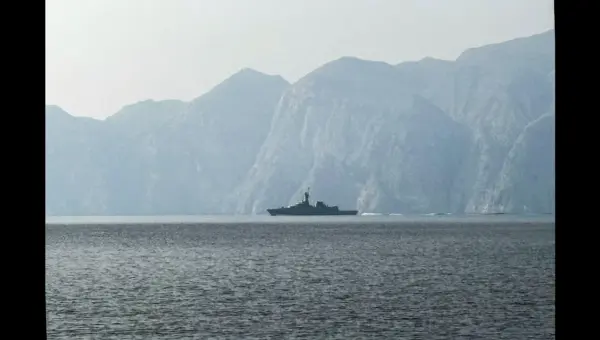
Iran's aggressive tactics in the Strait of Hormuz, while threatening global energy supplies, present a unique opportunity to reshape Middle East dynamics. Analyst David Wormser suggests that new energy routes and strategic island seizures could fundamentally alter regional power structures and trade.


US Pilot Missing After Jets Downed in Middle East
A U.S. pilot is missing after two American warplanes were shot down over the Middle East, with Iran claiming responsibility for one incident. The downed aircraft and ongoing search operation occur amid scrutiny of President Trump's strategy and response, as concerns mount over Iran's resilience and potential economic motivations behind the conflict.

Israel Cripples Iran’s War Machine: 70% of Steel Output Gone
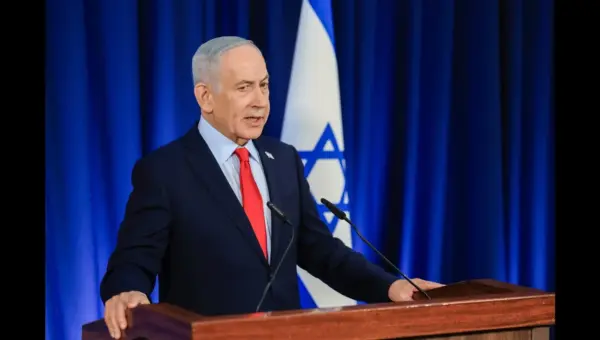
Israeli Prime Minister Benjamin Netanyahu announced a major strike against Iran's military funding. He claims Israel destroyed 70% of Iran's steel production capacity, significantly weakening the Revolutionary Guard Corps. This action is part of a long-standing conflict and could have major implications for regional stability.