Iran’s Strait of Hormuz Threats Offer Chance to Reshape Middle East
Iran's aggressive tactics in the Strait of Hormuz, while threatening global energy supplies, present a unique opportunity to reshape Middle East dynamics. Analyst David Wormser suggests that new energy routes and strategic island seizures could fundamentally alter regional power structures and trade.

Iran’s Strait of Hormuz Threats Offer Chance to Reshape Middle East
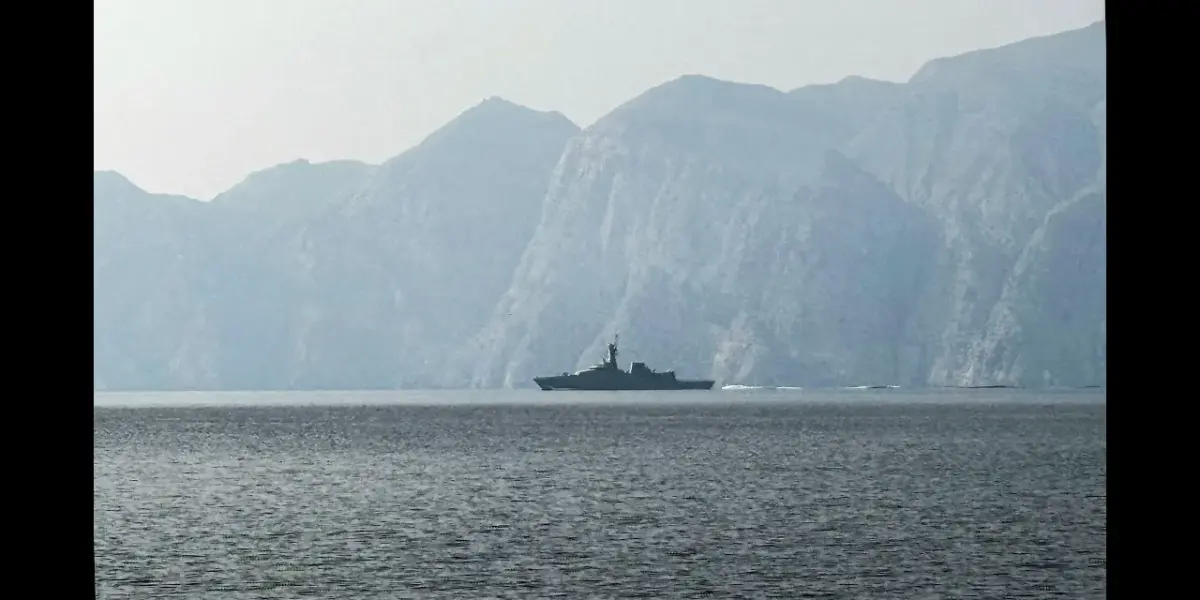
Iran is using mines, missiles, and tolls on ships to control a vital waterway. This action, known as economic warfare, holds the world’s energy supply hostage. The Strait of Hormuz is a critical chokepoint for global oil and gas. Analyst David Wormser believes this crisis presents an unexpected opportunity to change the dynamics of the Middle East.
What’s Being Done to Stop Iran?
So far, the U.S. Navy has escorted ships through the strait. However, this stretches American forces thin. Another tactic involves using A-10 warthog aircraft. These planes destroy small Iranian boats used for attacks and mining. Iran has hundreds of these small vessels along its coast. The U.S. has also sunk Iranian navy ships. Yet, these actions haven’t fully solved the problem.
The Dual Threat: Physical Danger and High Costs
The threat to ships in the Strait of Hormuz has two main parts. First, there’s the direct physical danger from mines and missiles. Iran possesses surface-to-sea missiles that can sink ships, though they haven’t used them yet. Finding and destroying their launchers is an ongoing effort.
The second, and perhaps more impactful, threat is the rise in insurance costs. The danger makes insuring ships so expensive that it becomes nearly impossible. This means the perception of safety, not just the actual safety of the ships, needs to be addressed.
Restoring Safety: More Than Just Escorts
Bringing back a sense of safety to the Strait of Hormuz is complex. A ceasefire could offer temporary relief, as it would signal a period of safe passage. However, a more lasting solution might involve seizing key coastal areas or islands.
Wormser suggests that the U.S. might consider taking control of islands like Larat, Kesh, Hormuz, Lesser Tunbs, Abu Musa, or Qeshm. These locations are strategically important and control critical passages. Seizing Iran’s island of Qeshm, through which 90% of Iran’s oil and gas passes, would be a significant blow to Iran’s economy. This could be used as leverage, perhaps by allowing Iran to continue using Qeshm in exchange for safe passage through the Strait.
Economic Warfare and Retaliation
Ultimately, Wormser believes the situation could escalate to a point where the U.S. threatens to devastate Iran’s civilian infrastructure. This would be a response to Iran’s use of economic pressure to try and end conflicts prematurely. If Iran uses economics to choke the West, the U.S. might respond in kind. Iran needs money to operate, even during wartime. Disrupting its income could be an effective countermeasure.
A Chance to Reshape the Middle East
The crisis in the Strait of Hormuz could lead to major changes in how the Middle East operates. Before the current conflict, much of the world’s energy supply passed through the strait, making it vulnerable. Now, new pipelines are being built that bypass the strait. Some pipelines lead directly to the Red Sea, allowing for transport to Asia. Saudi Arabia is already using these routes.
Another option is building pipelines from the Persian Gulf across the desert to the Indian Ocean. This would allow ships to be loaded in places like Oman, avoiding the Strait of Hormuz altogether. These shifts could also reroute Europe’s energy supply. A pipeline from the Gulf through Saudi Arabia and Jordan to Israel is being seriously discussed.
New Alliances and Future Challenges
This potential new energy supply route to Europe would be a major shift in global oil and gas logistics. It also brings the issue of Yemen into focus. If Asian oil is now routed through the Red Sea, it must pass through the Bab el-Mandeb Strait. This is the same strait controlled by the Houthi rebels, who are supported by Iran. If the Houthis close this passage, it becomes the next big challenge, requiring efforts to reopen those vital shipping lanes as well.
Why This Matters
The actions taken in the Strait of Hormuz have far-reaching consequences. They impact global energy prices, international shipping routes, and the economic stability of nations. The U.S. and its allies face a delicate balancing act: ensuring the free flow of energy without escalating into a wider conflict. The current situation highlights the vulnerability of global supply chains and the growing importance of diversifying energy routes. The potential for reshaping regional alliances and trade routes is significant, offering a glimpse into a future Middle East where traditional power dynamics may be altered.
Historical Context
The Strait of Hormuz has long been a strategic flashpoint. Since the 1970s, it has been a critical artery for oil transport. Iran has previously threatened to close the strait, particularly during times of heightened tension with the West and its regional rivals. The current events echo past standoffs, but the evolving geopolitical landscape and new energy infrastructure projects add new dimensions to this ongoing struggle for control.
Implications and Future Outlook
The ongoing tension could accelerate the development of alternative energy routes, reducing reliance on the Strait of Hormuz over time. This might weaken Iran’s strategic leverage in the long run. However, in the short term, the increased risk and costs associated with shipping could lead to higher energy prices globally. The involvement of other regional powers, like Saudi Arabia and Israel, in new pipeline projects suggests a growing desire for energy independence and a potential realignment of strategic partnerships in the Middle East. The situation in the Red Sea, particularly concerning the Houthi threat, is likely to become a more prominent focus for international security efforts.
Source: Hormuz Strait Issue Presents an Opportunity to Reshape Middle East Dynamics: Analyst (YouTube)

Related Articles

US Pilot Missing After Jets Downed in Middle East
A U.S. pilot is missing after two American warplanes were shot down over the Middle East, with Iran claiming responsibility for one incident. The downed aircraft and ongoing search operation occur amid scrutiny of President Trump's strategy and response, as concerns mount over Iran's resilience and potential economic motivations behind the conflict.


Pope and Trump Clash Over Iran, Faith Sees Youthful Revival
Pope Francis's calls for peace contrast with President Trump's policies, particularly concerning Iran. Meanwhile, a surprising number of young Americans are turning to the Catholic Church, seeking deeper meaning and unconditional love in a complex world.

US Military Risks All for Downed Pilot
American air crews fly into dangerous enemy territory knowing the entire U.S. military will work tirelessly to bring them home if shot down. This commitment highlights extreme risks and historical parallels, showcasing the nation's dedication to its service members.